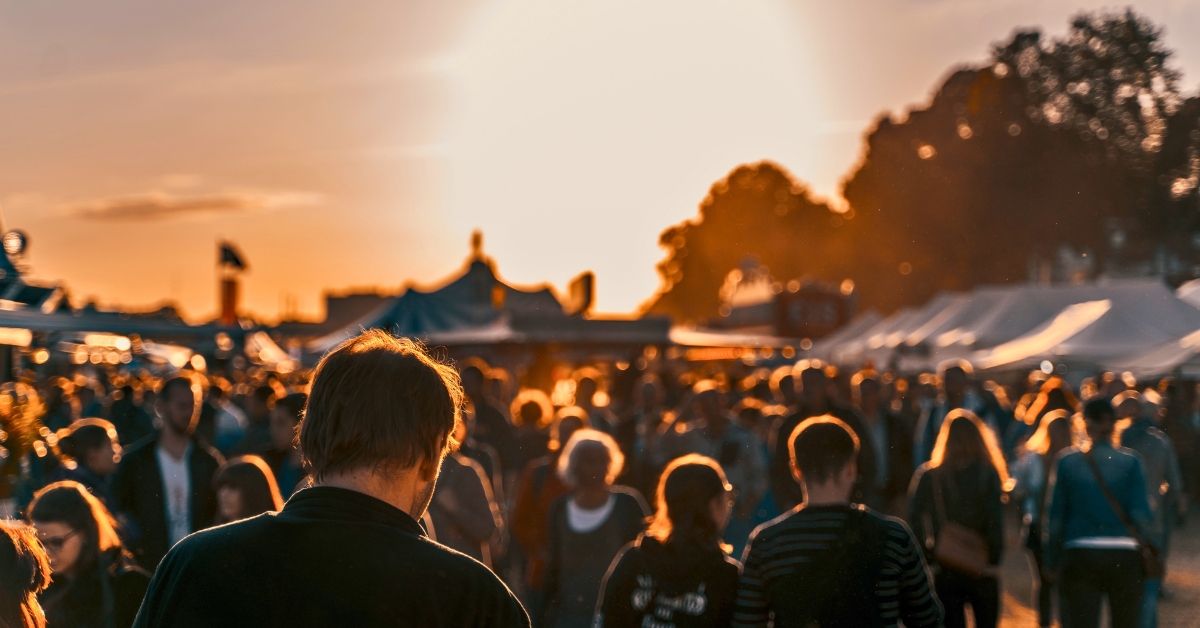
Let’s ask a question that doesn’t always get said out loud:
Are events actually good for the communities that host them?
As planners, we’re trained to talk about attendance numbers, hotel pickup, and economic impact. We celebrate sold-out room blocks and packed general sessions. But zoom out for a second. What happens outside the ballroom?
- Are local businesses benefiting or being pushed out?
- Are residents excited… or quietly frustrated?
- Is the destination stronger after your event, or just tired?
The reality is this: events concentrate people, money, and energy into one place at one time . That creates powerful opportunities. It also creates real pressure.
This post is your guide to thinking about community impact in a more strategic, modern way. Not just because it is the right thing to do, but because better community outcomes lead to better events.
What “Community Impact” Really Means (Hint: It’s Not Just Spending)
For years, the industry has leaned heavily on economic impact numbers. And yes, those matter.
But a smarter lens asks a different set of questions:
- Who actually benefits from the event?
- Who absorbs the downsides?
- What would have happened in that destination anyway?
Because here’s the truth: not all impact is created equal.
A full hotel doesn’t automatically mean a thriving community. That spending might have happened anyway. Or it might be offset by congestion, strain on services, or resident frustration .
Today’s best practice looks at a multi-dimensional view of impact, including:
Economic
Revenue, jobs, hotel bookings, local vendor spend
Social
Resident satisfaction, accessibility, safety perception
Cultural
Local identity, creative participation, authenticity
Environmental
Waste, energy use, transportation footprint
Infrastructure
Traffic, transit strain, venue utilization
Governance
Trust, collaboration, public perception
If that feels like a lot, you’re not wrong. But it’s also where the opportunity lives.
The Planner’s Real Influence (It’s Bigger Than You Think)
Here’s where things get interesting.
Most planners assume community impact is something you measure after the event. But the research tells a different story.
Impact is largely determined before your event even begins.
Why?
Because impact flows through a chain:
Event design → Attendee behavior → Immediate outcomes → Long-term community effects
Which means your decisions around:
- Venue location
- Transportation planning
- Vendor selection
- Programming
- Communication
…are not just logistics. They are impact drivers.
So let’s flip the script:
Instead of asking, “What impact did our event have?” Ask, “What impact are we designing for?”
The Good, The Bad, and The Reality of Event Impact
Let’s make this tangible.
When Events Work Well
- A local festival strengthens community pride and supports small businesses
- A conference brings new partnerships and long-term economic growth
- A well-designed event improves infrastructure usage and collaboration
These are the outcomes we love to highlight.
When Events Miss the Mark
- Residents feel crowded out or inconvenienced
- Local vendors are overlooked in favor of national suppliers
- Traffic, noise, and waste create friction with the community
- Economic benefits don’t reach the people who need them most
And then there’s the extreme example.
We all remember the disaster of Fyre Festival. Not just a failed event, but a failure of ethics, logistics, and responsibility. Local workers went unpaid, and the destination’s reputation took a hit.
That’s an extreme case, but it highlights something important:
Community impact is not optional. It is happening whether you plan for it or not.
A Smarter Way to Measure Impact (Without Making It Complicated)
Before you panic about needing a data science team, let’s simplify.
You don’t need to measure everything. You need to measure what matters.
Start with a few focused questions:
1. Did we create net new value?
Not just total spend. Real, additional value that wouldn’t have existed otherwise.
2. How did residents experience the event?
Not just attendees. The people who live there.
3. Where did the benefits go?
Local businesses? National chains? Outside vendors?
4. What pressure did we create?
Traffic, waste, staffing strain, public services.
5. What lasts after the event?
Partnerships, reputation, repeat visitation.
Even simple tools like surveys, vendor tracking, and post-event debriefs can give you meaningful insight.
Designing Events That Actually Benefit Communities
Now let’s get practical.
Here’s how you can start designing for better outcomes.
1. Prioritize Local Integration
Instead of dropping into a destination, plug into it.
- Source local vendors where possible
- Highlight local culture in programming
- Partner with community organizations
This shifts your event from being a disruption to being a contributor.
2. Think Beyond the Ballroom
Your attendees don’t just exist in meeting space.
Where are they eating?
How are they moving around?
What neighborhoods are they impacting?
Planning for the full attendee journey helps reduce friction and spread benefits more evenly.
3. Balance Attendee Experience with Resident Experience
This is the tension point most planners ignore.
A great attendee experience that frustrates locals is not sustainable.
Consider:
- Transportation timing
- Noise levels
- Crowd flow
- Accessibility
Small adjustments can make a big difference.
4. Build Community Impact Into Your RFP Process
Yes, even here.
When sourcing hotels and venues, ask:
- How does this property support local vendors?
- What sustainability practices are in place?
- How do they manage peak demand and community relations?
Platforms like Groups360 GroupSync make it easier to compare properties and find options that align with your priorities, not just price and availability.
5. Plan for Legacy, Not Just Execution
What happens after your event?
- Will attendees return?
- Did you create lasting partnerships?
- Did your event leave the destination better off?
Even small initiatives can create long-term value.
The Strategic Advantage Most Planners Are Missing
Here’s the part that often gets overlooked. Designing for community impact is not just a “nice to have.” It is a competitive advantage.
Destinations are paying attention.
Stakeholders are asking better questions.
Attendees care more than ever.
And planners who can confidently say:
“We didn’t just host an event. We created value for this community.”
…stand out.
So, What Kind of Impact Are You Creating?
Let’s bring it back to that original question. Are events good for communities?
The answer is: They can be. But only if they are designed that way.
As a planner, you already manage logistics, budgets, and experiences. This is just the next layer of strategy. And honestly? It’s one that aligns perfectly with what great planners already do best:
Seeing the whole picture.
Ready to plan smarter, more impactful events?
Start by exploring how Groups360 GroupSync can help you find and book properties that align with your event goals, from conference rooms to full-scale group hotel bookings.
Create your free account and take control of your sourcing strategy today.