Portland, Oregon Group Travel Guide: Food Carts, Rose Gardens, and City-to-Nature Access
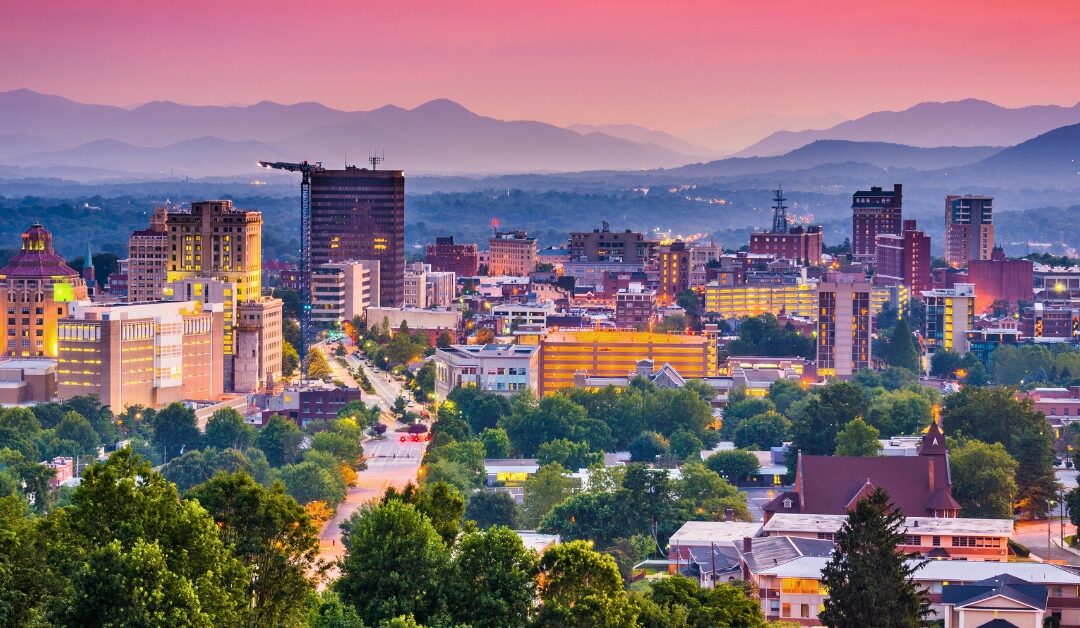
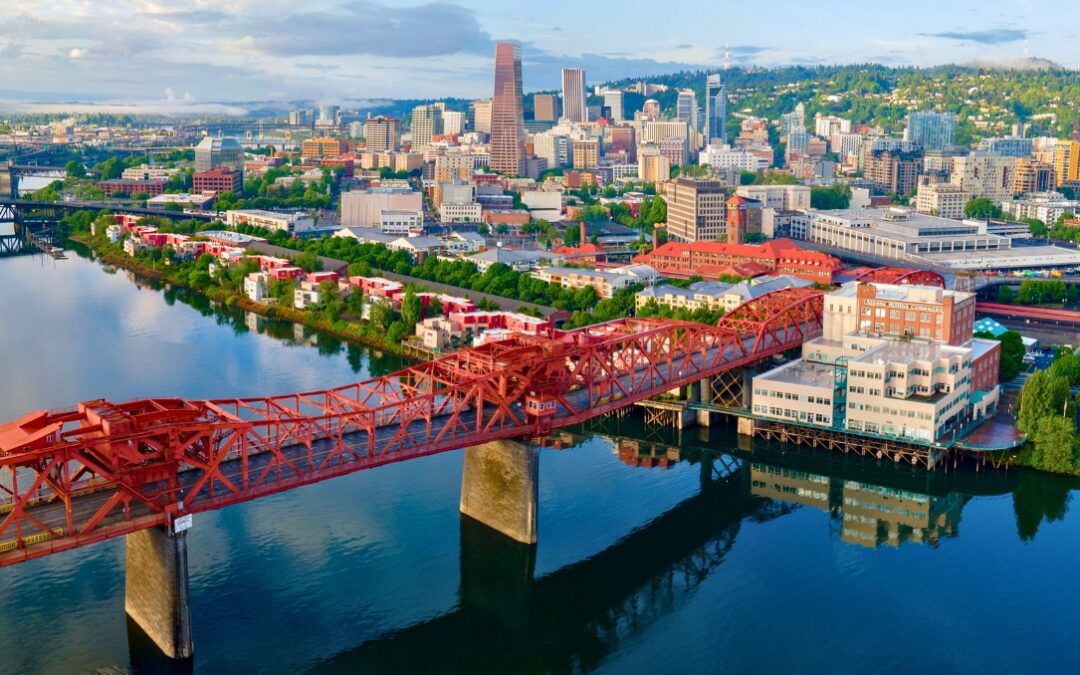
Portland is a strong domestic group destination for planners who want variety without building an entire itinerary around a single resort. The city combines a compact, walkable core with light rail, streetcar access, distinctive neighborhoods, an exceptional food scene, and convenient access to gardens, waterfalls, wine country, and the Columbia River Gorge.
It is especially well suited to food-focused groups, associations, reunions, university programs, incentive trips, multigenerational gatherings, and meetings that need a strong balance of business and leisure.
Portland is not a resort city where everyone stays on one property from arrival to departure. Its appeal is more flexible and more local. A group can spend the morning at a Japanese garden, divide among food carts for lunch, visit a museum or bookstore in the afternoon, and gather for a river cruise, live performance, or group dinner in the evening.
Research for this guide was checked September 5, 2026. Hotel inventory, rates, schedules, permits, transportation fares, capacities, and group policies should be reconfirmed before contracting.
Table of Contents
Your quick guide to Portland for group travel, meetings & events.
1. Why Portland is Perfect for Group Travel
2. Must-See Attractions
3. Group-Friendly Hotels
4. Cultural Dining
5. Transportation Tips
6. Shopping & Gifts
7. How GroupSync Can Simplify Your Group Travel
Why Portland Works for Group Travel
Portland’s greatest advantage is its experience density. The downtown core and nearby districts are compact, making it possible to create a full itinerary without sending attendees across a sprawling metropolitan area for every activity.
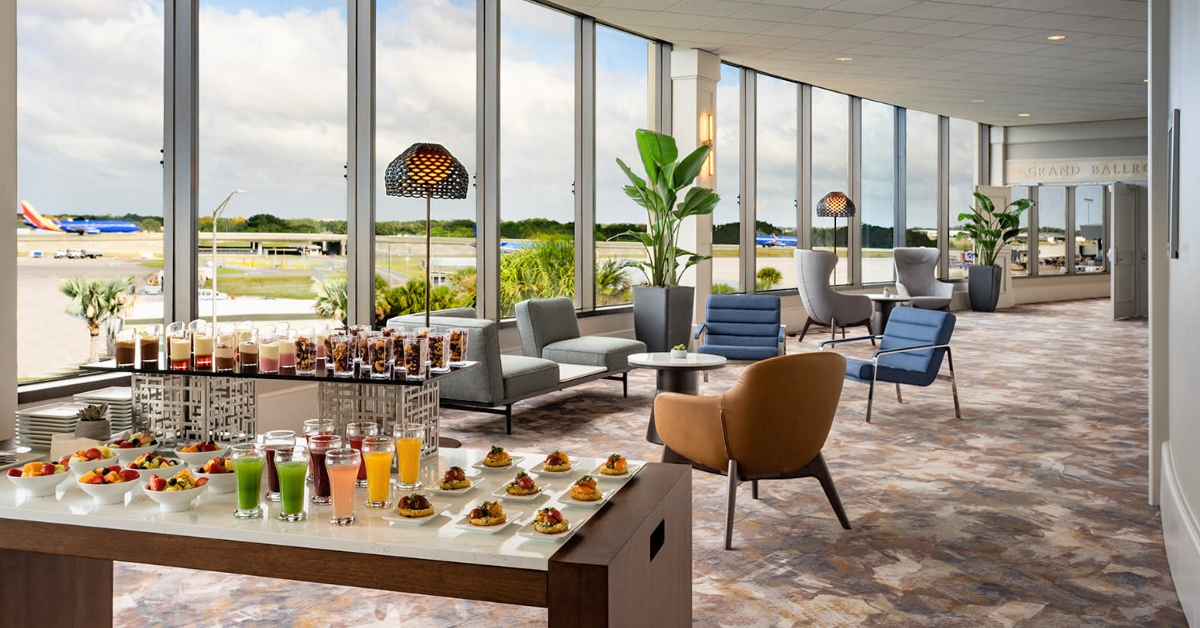
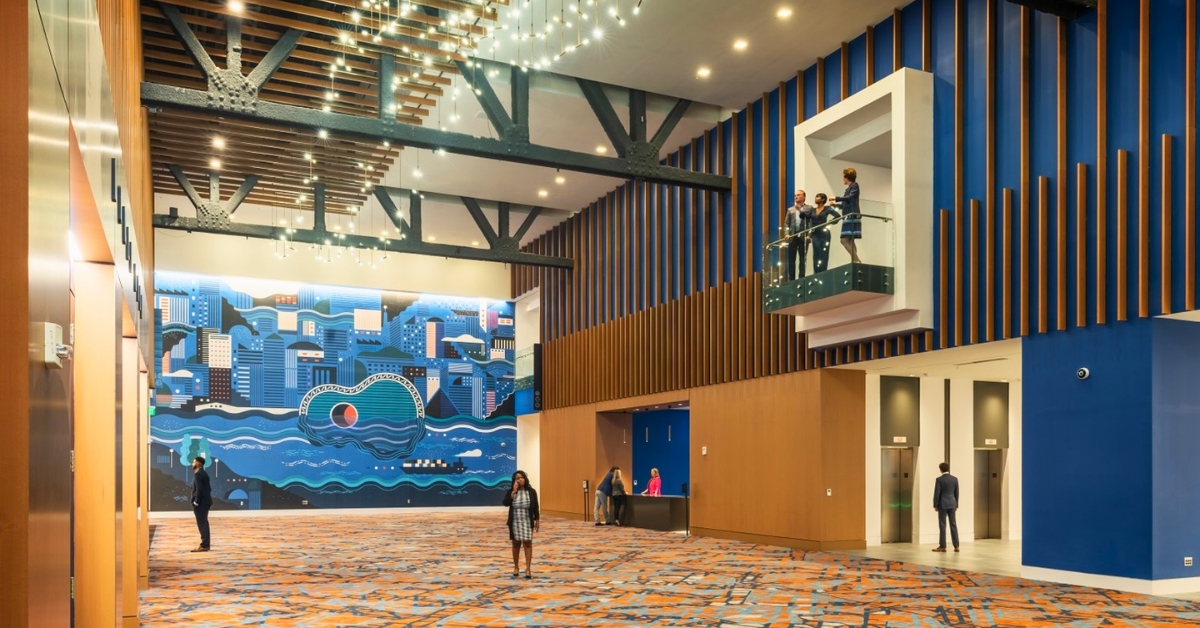
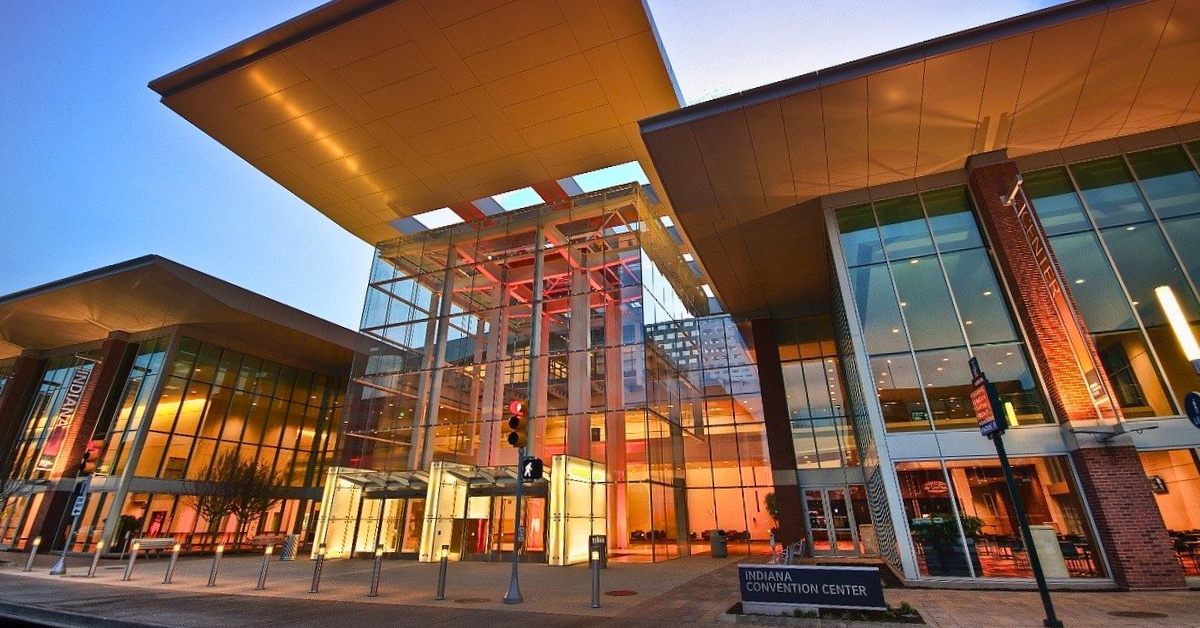
The city also offers a useful range of group infrastructure. The Oregon Convention Center includes approximately 255,000 square feet of exhibit space, 52 meeting rooms, and two grand ballrooms. Nearby hotels provide options for large conventions, smaller executive groups, university gatherings, and programs that need to split room blocks across multiple properties.
Other advantages include:
- A walkable central city with distinct neighborhoods nearby, including the Pearl District, Old Town Chinatown, Lloyd, Alberta, Hawthorne, Mississippi, and the Central Eastside
- Direct domestic air access through Portland International Airport
- MAX light rail service connecting the airport with downtown
- A broad range of restaurants, food carts, food halls, breweries, coffee shops, markets, and group dining venues
- Attractions that work for different ages, interests, mobility levels, and weather conditions
- Easy combinations of urban programming and outdoor excursions
- Accessible transportation and attractions supported by Travel Portland’s accessibility resources
- Free destination-planning assistance through Travel Portland’s meeting planner services
For U.S.-based groups, Portland also offers domestic convenience without international border or passport logistics. The city feels distinctive and far from generic, while remaining relatively easy to reach and navigate.
Must-See Attractions for Group Travelers
Portland has enough recognizable attractions to anchor a first-time visit, along with smaller cultural experiences that can make an itinerary feel more personal.
Powell’s occupies an entire city block and is one of Portland’s most recognizable landmarks. Groups of 10 or more can arrange tours, while smaller groups can browse independently. The store is centrally located, weather-proof, accessible, and easy to incorporate into a walking itinerary through the Pearl District.
It is also a convenient stop for delegates who want to choose their own experience without requiring a tightly managed group movement.
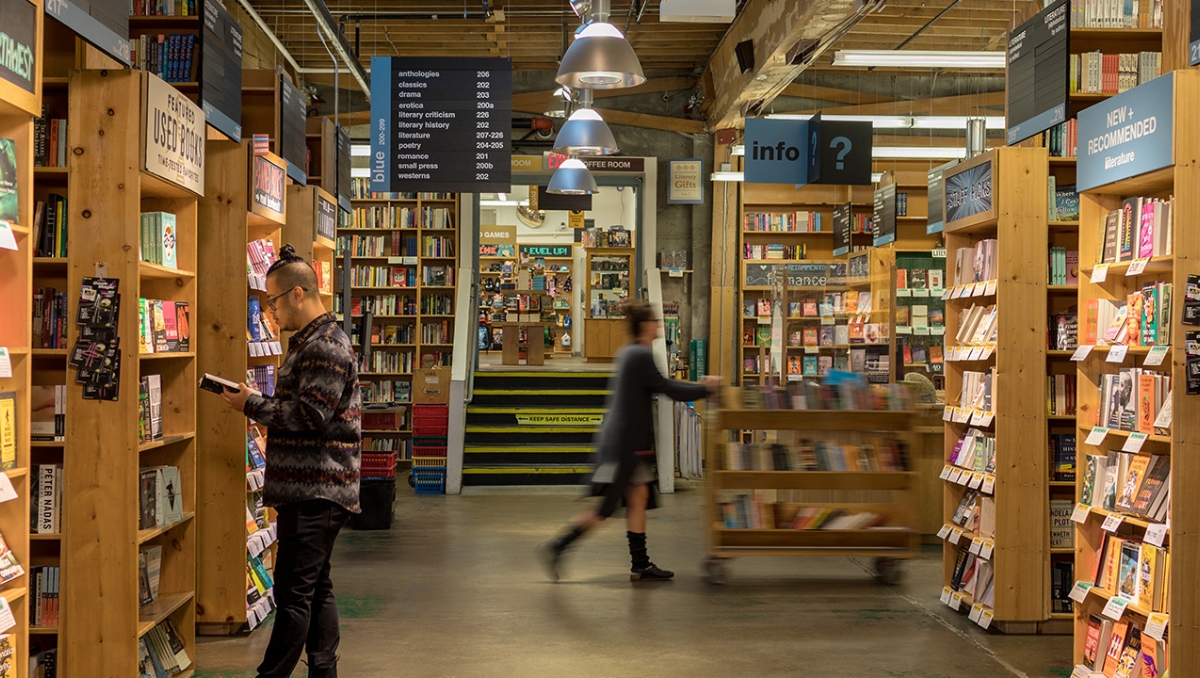
Powell’s City of Books
Set into the hills of Washington Park, Portland Japanese Garden offers a quieter counterpoint to the city’s food, retail, and nightlife energy. Private guided tours are available for groups of 15 or more, and planners should reserve at least three weeks ahead.
The garden works well for leadership retreats, incentive groups, wellness programming, and smaller cultural experiences. Build in time for the terrain and confirm accessibility needs in advance.
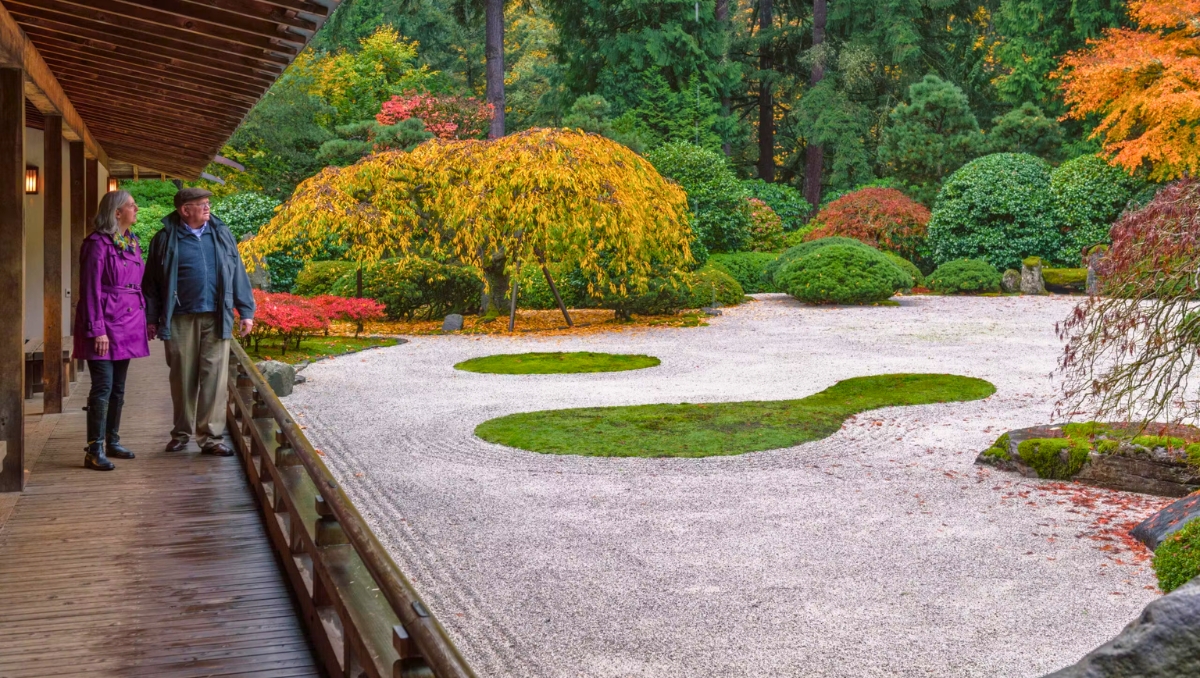
Portland Japanese Garden
INTERNATIONAL ROSE TEST GARDEN
The International Rose Test Garden is one of Portland’s signature public spaces, with thousands of rose bushes and views toward the city. It is an especially strong seasonal stop for photographs, informal networking, and outdoor receptions or tours.
The Rose Garden pairs naturally with the Japanese Garden and Pittock Mansion, although planners should allow time for transportation and elevation changes within Washington Park.
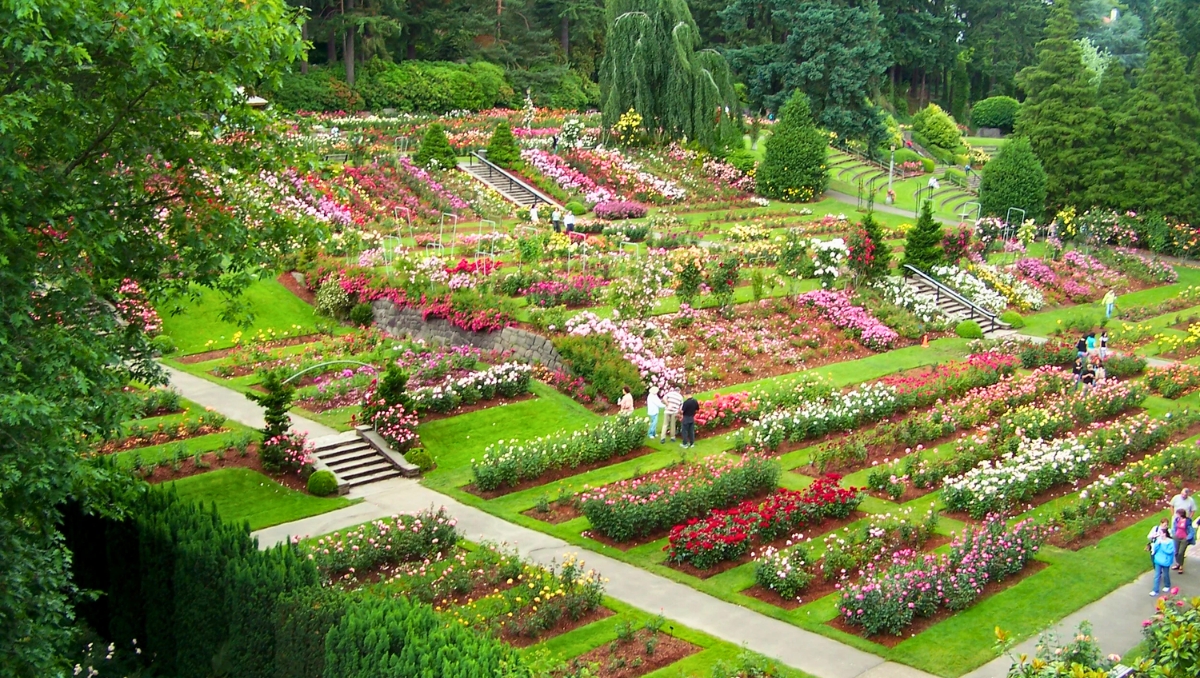
International Rose Test Garden
Located in Old Town Chinatown, Lan Su Chinese Garden is an authentic Ming-style garden with pavilions, courtyards, water features, and a teahouse. Private group tours and rentals are available.
The garden is best suited to smaller groups, cultural programming, hosted receptions, and itineraries that need a more intimate atmosphere than a large museum or convention venue.
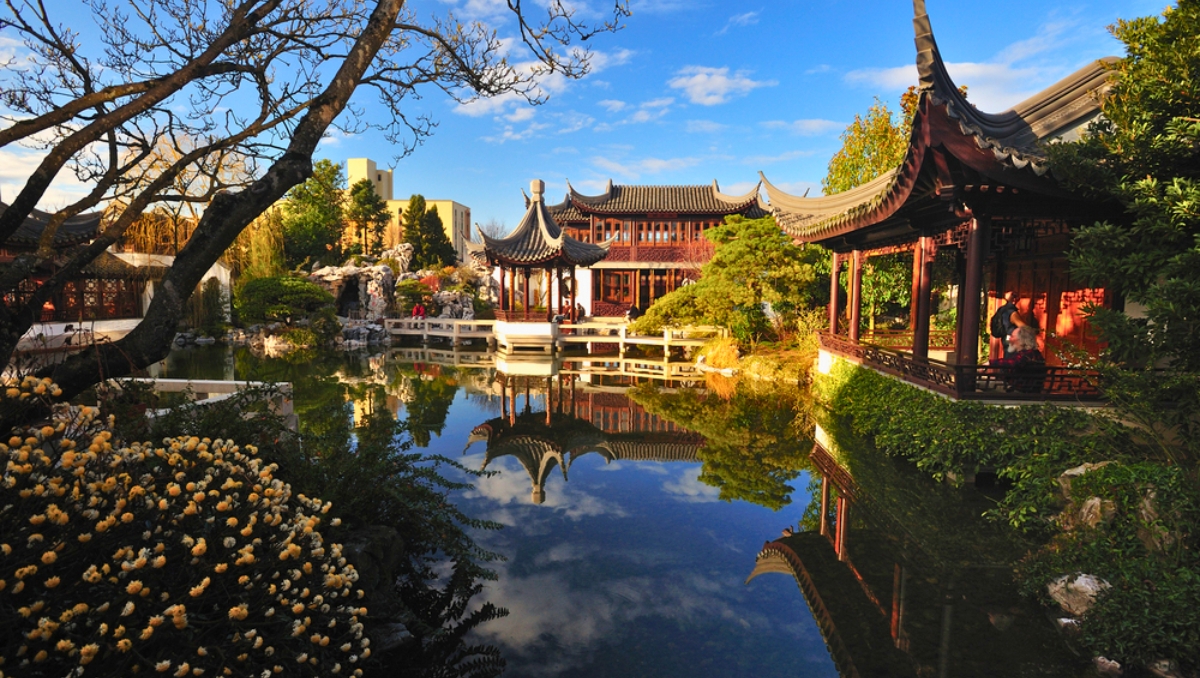
Lan Su Chinese Garden
This 16,000-square-foot historic mansion offers panoramic views of Portland and the surrounding landscape. Groups of 15 or more may receive discounted admission, but transportation should be arranged in advance because coach access and parking require planning.
Pittock Mansion is a good fit for groups seeking history, architecture, photographs, or a more elevated sightseeing experience. It can also serve as a memorable complement to a Washington Park itinerary.
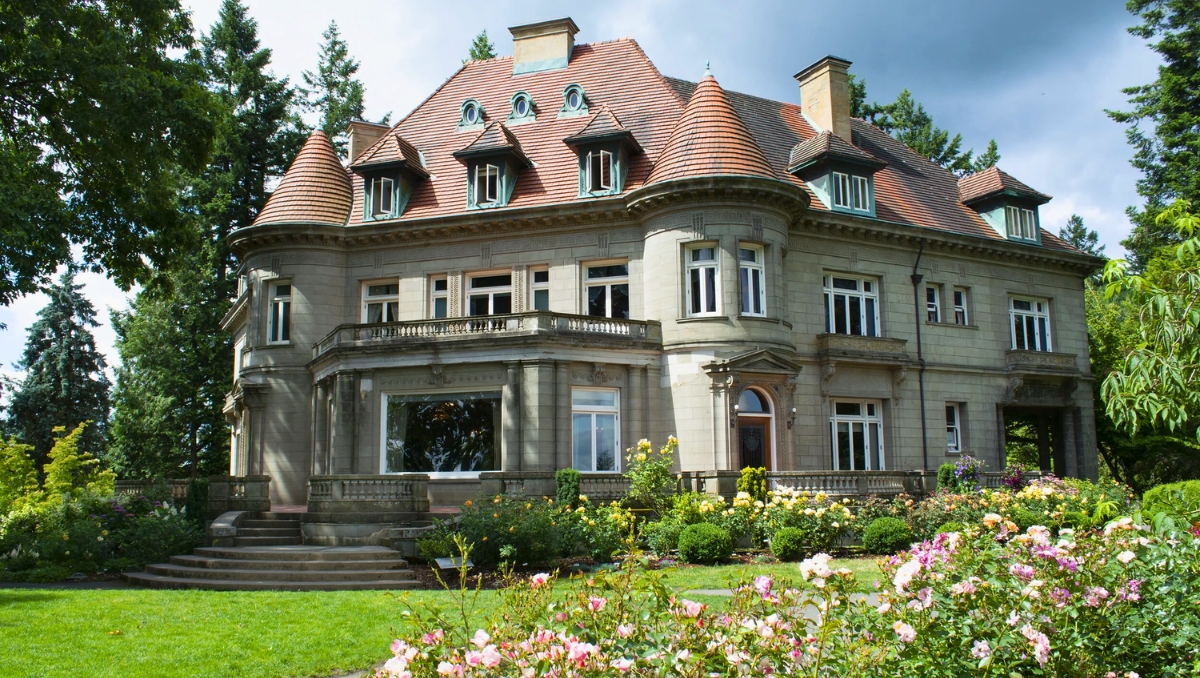
Pittock Mansion
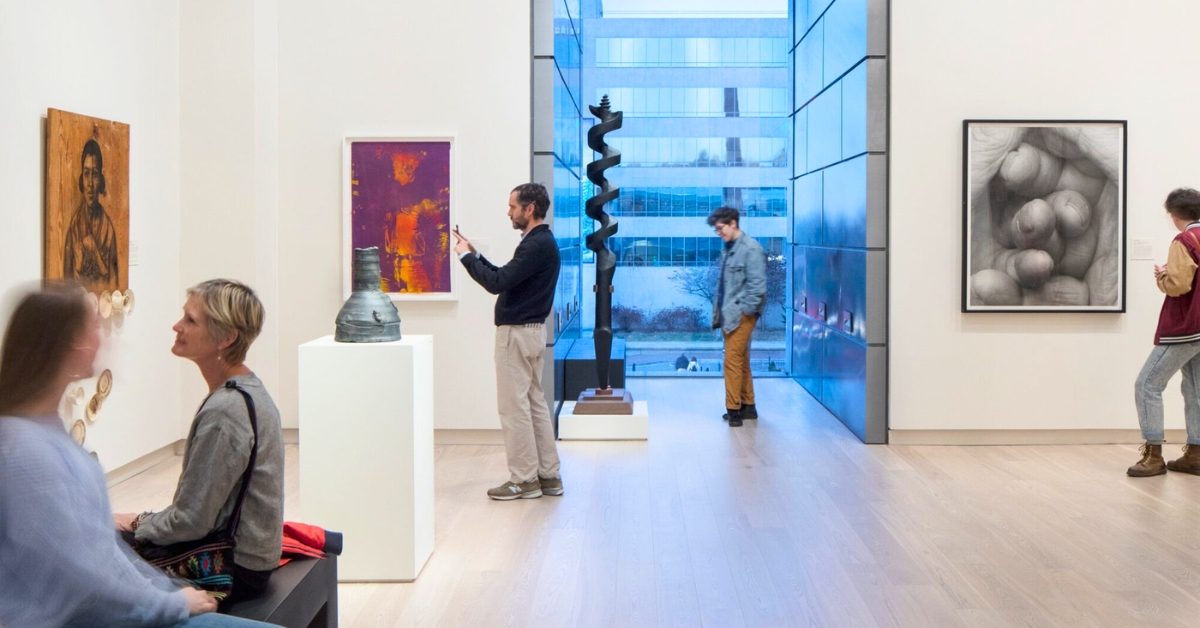
The Portland Art Museum is an excellent indoor option for cultural groups, association programs, and rainy-weather backups. Discounted admission begins at 12 people, and guided tours can be arranged.
Its central location also makes it easy to combine with downtown hotels, restaurants, shopping, and other indoor attractions.
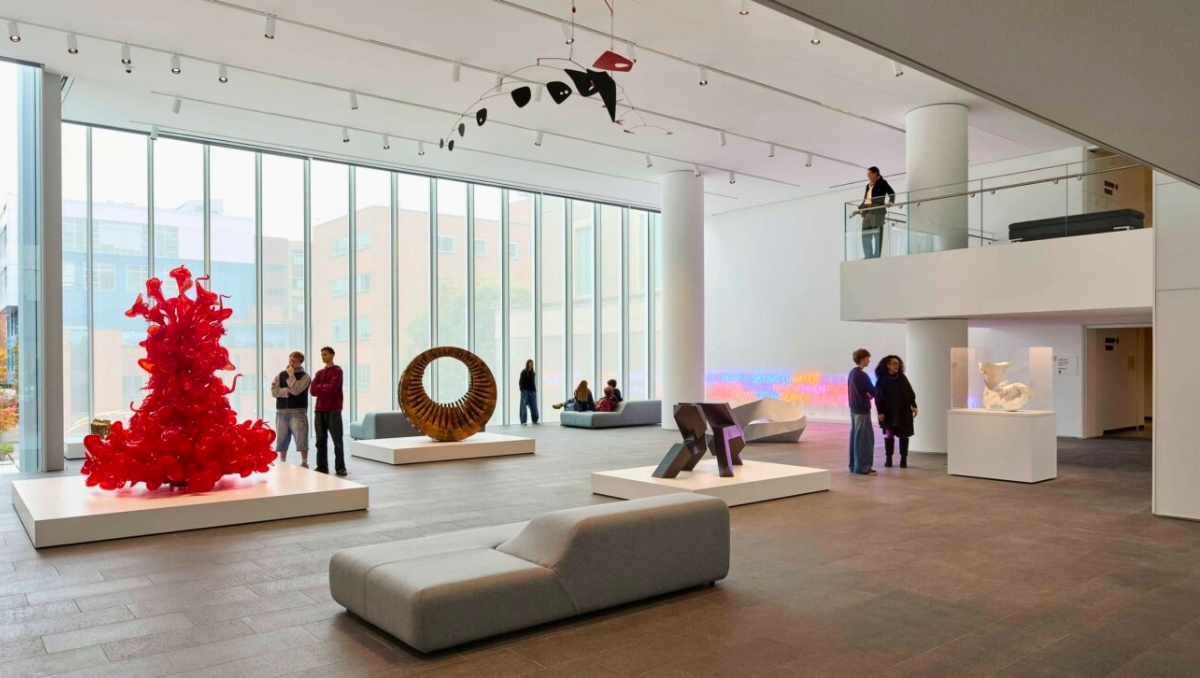
Portland Art Museum
The Oregon Museum of Science and Industry offers interactive exhibits, planetarium programming, and submarine tours. OMSI works particularly well for multigenerational groups, student groups, families, and programs that need an engaging indoor activity.
It can also provide a more relaxed option after a conference day when attendees want something participatory rather than another formal presentation.
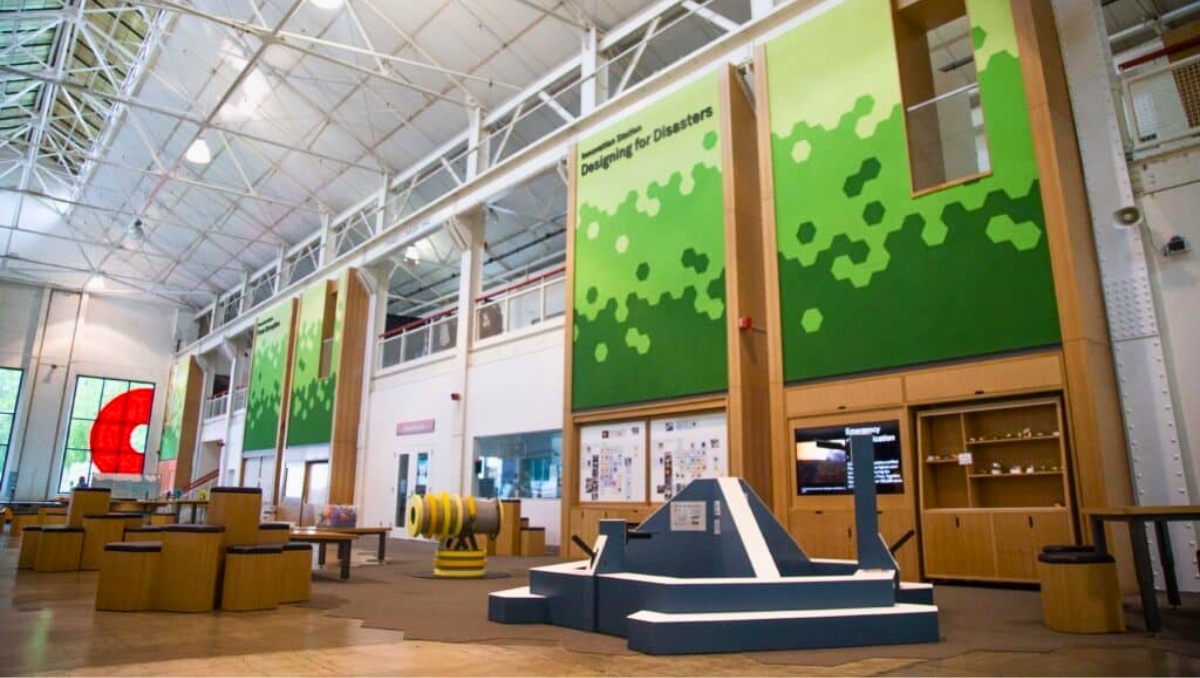
OMSI
Portland Spirit operates Willamette River cruises, including lunch and dinner options. Groups of 10 or more may receive discounts and other benefits, while dinner cruises include a three-course Northwest meal and live piano music.
A river cruise can simplify the evening program by combining dining, sightseeing, entertainment, and transportation into one experience.
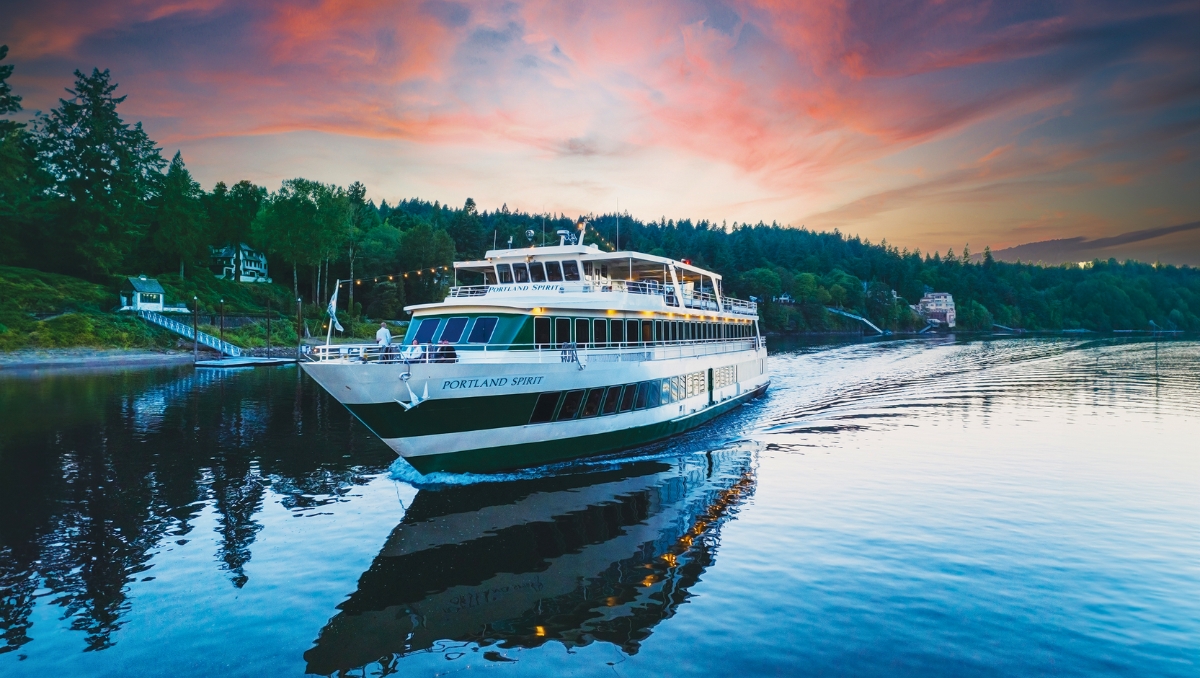
Portland Spirit
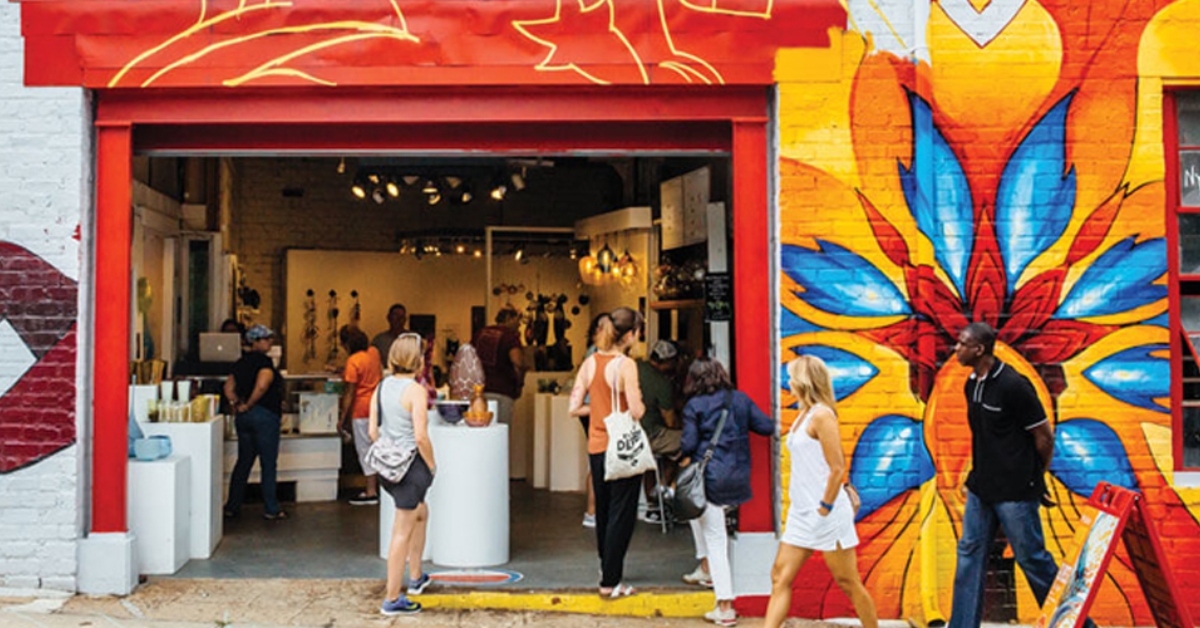
Portland Saturday Market features local arts, crafts, clothing, jewelry, food, and gifts from more than 200 vendors during its season. Attendees can browse at their own pace, making the market a useful casual activity for groups with varied interests.
Its Old Town location and access to MAX also make it easy to include before lunch, after a museum visit, or during a flexible afternoon.
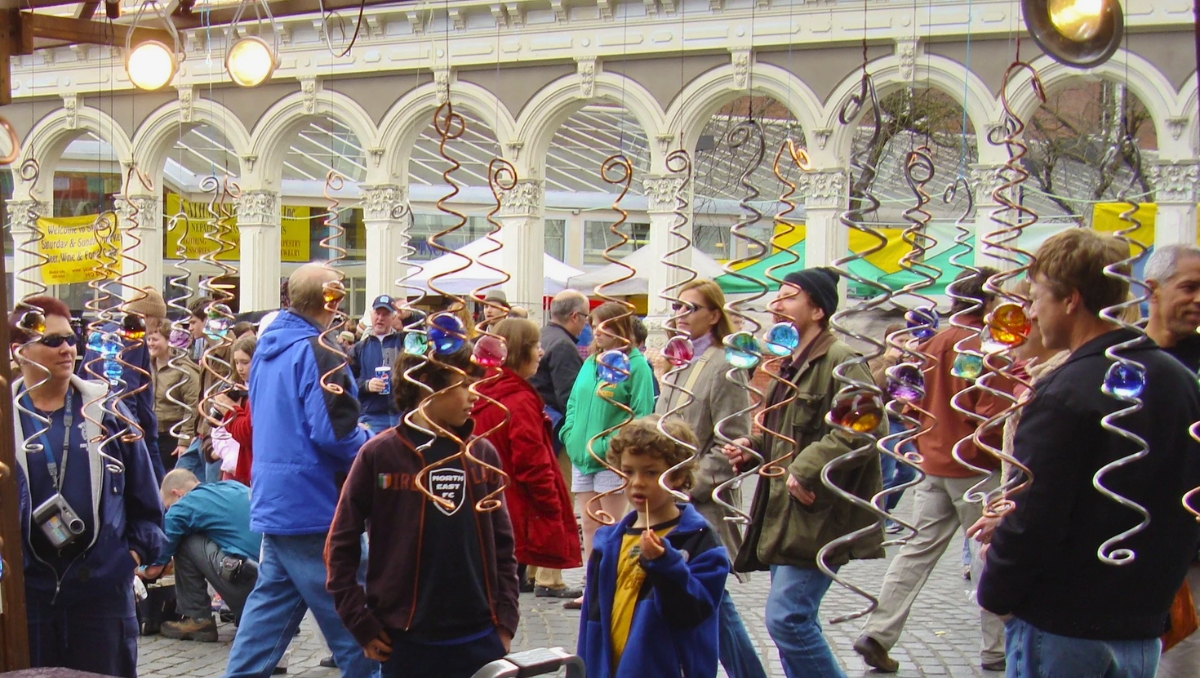
Portland Saturday Market
JAPANESE AMERICAN MUSEUM OF OREGON
The Japanese American Museum of Oregon offers exhibits focused on Japanese American history and culture. It is a meaningful, lesser-known stop for groups interested in history, education, community, and cultural context.
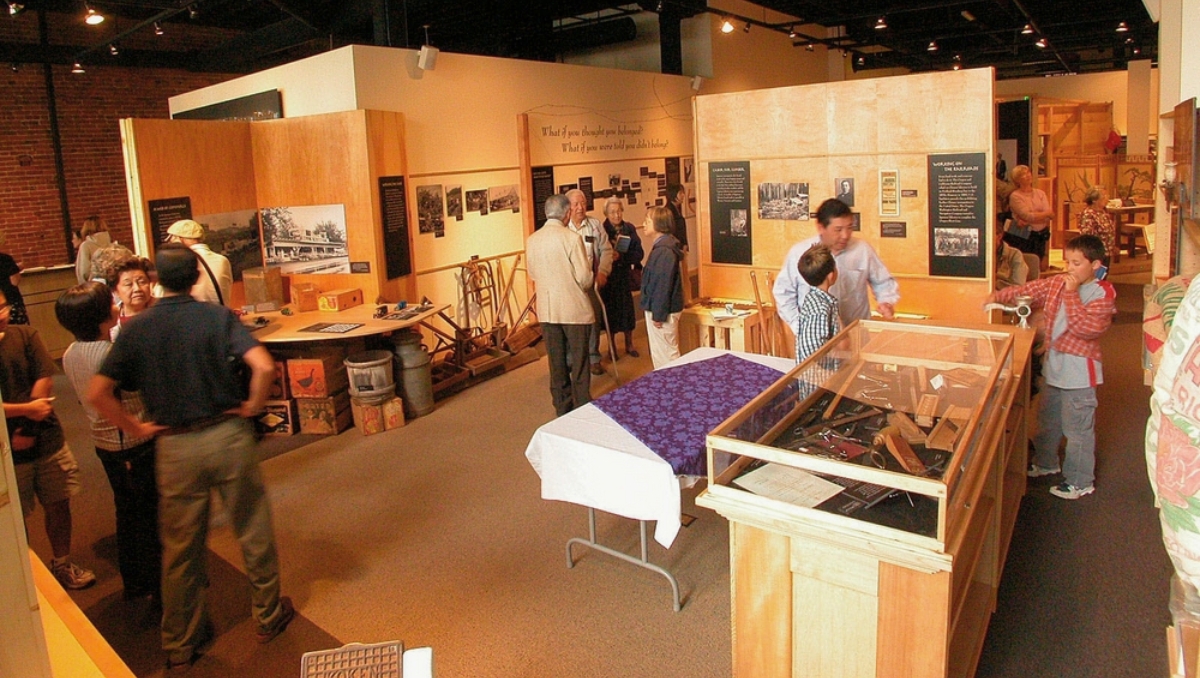
Japanese American Museum of Oregon
MULTNOMAH FALLS AND THE COLUMBIA RIVER GORGE
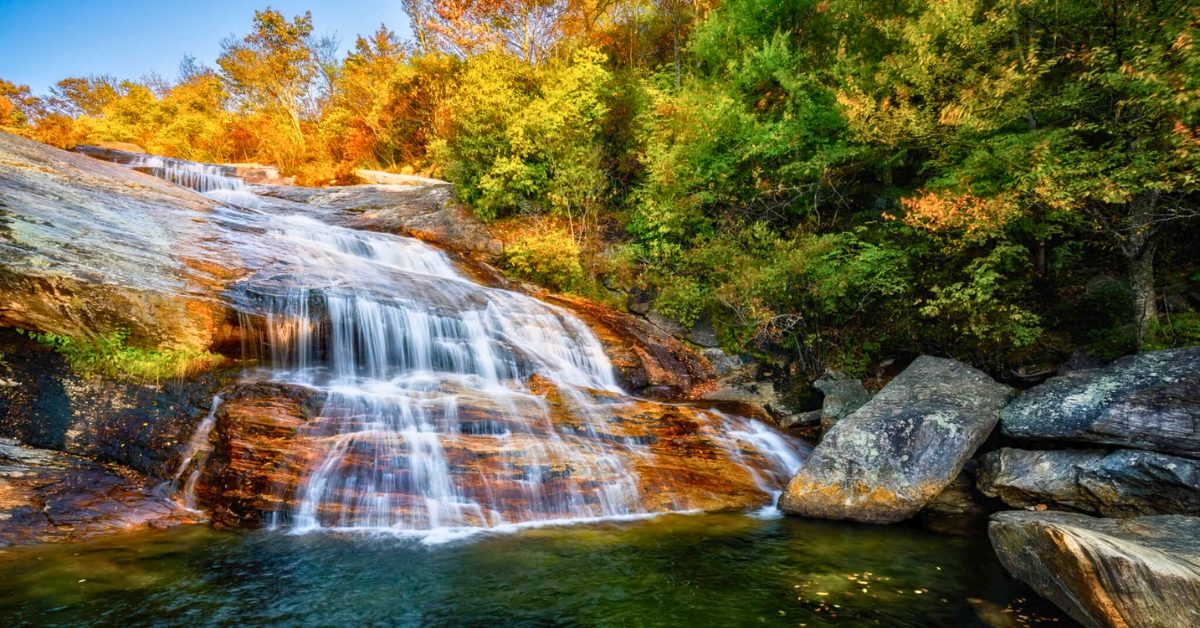
The Columbia River Gorge provides a dramatic half-day excursion from Portland, with waterfalls, scenic viewpoints, and accessible visitor facilities. However, the Gorge should be planned as its own transportation project.
During busy periods, Multnomah Falls timed-entry permits may be required. A permit does not guarantee parking, so a shuttle or charter operator is usually a better choice for groups than relying on individual vehicles.
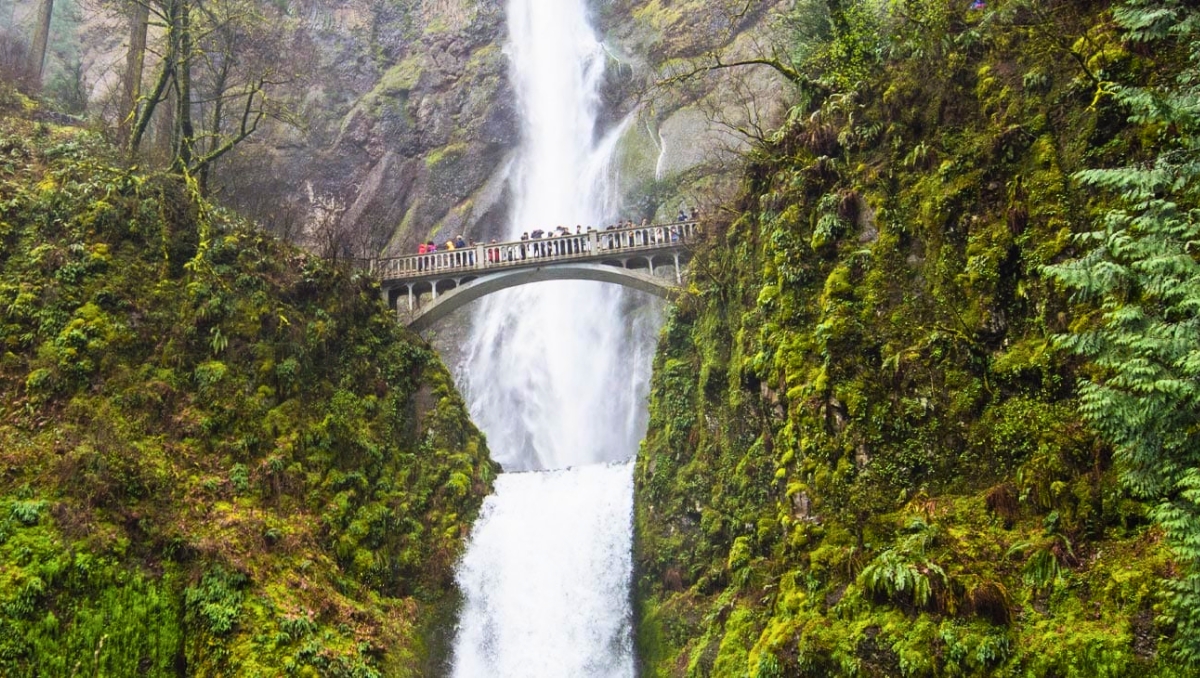
Multnomah Falls and the Columbia River Gorge
Group-Friendly Hotels in Portland
The following properties are curated for different group sizes, budgets, meeting requirements, and itinerary styles.
HYATT REGENCY PORTLAND AT THE OREGON CONVENTION CENTER
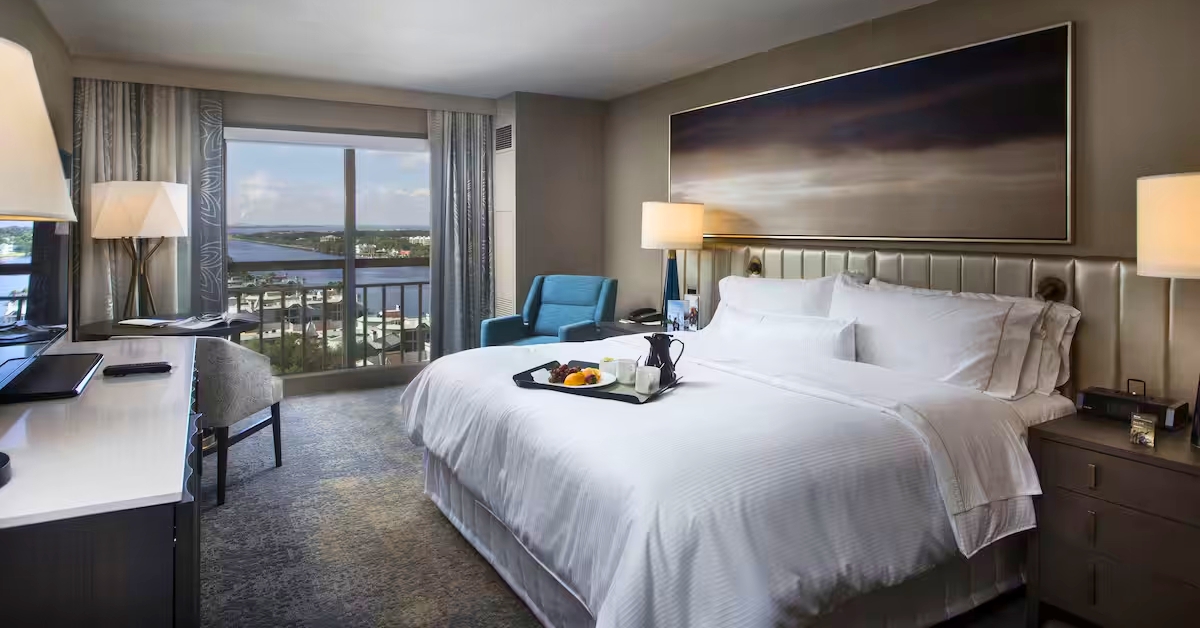
Hyatt Regency Portland is directly adjacent to the Oregon Convention Center, making it one of the most convenient choices for large conventions and association programs. Its location can significantly reduce shuttle dependence and simplify the movement between guest rooms, general sessions, breakouts, and exhibits. For planners managing a complex agenda, that proximity is a major operational advantage.
- Guest rooms: 600
- Meeting rooms: 20
- Meeting space: 39,000 square feet
- Location: Lloyd District, approximately 0.1 mile from the Oregon Convention Center
- Why groups like it: Direct convention-center access and substantial room and meeting inventory
- Best for: Large conventions, association meetings, and programs prioritizing convenience
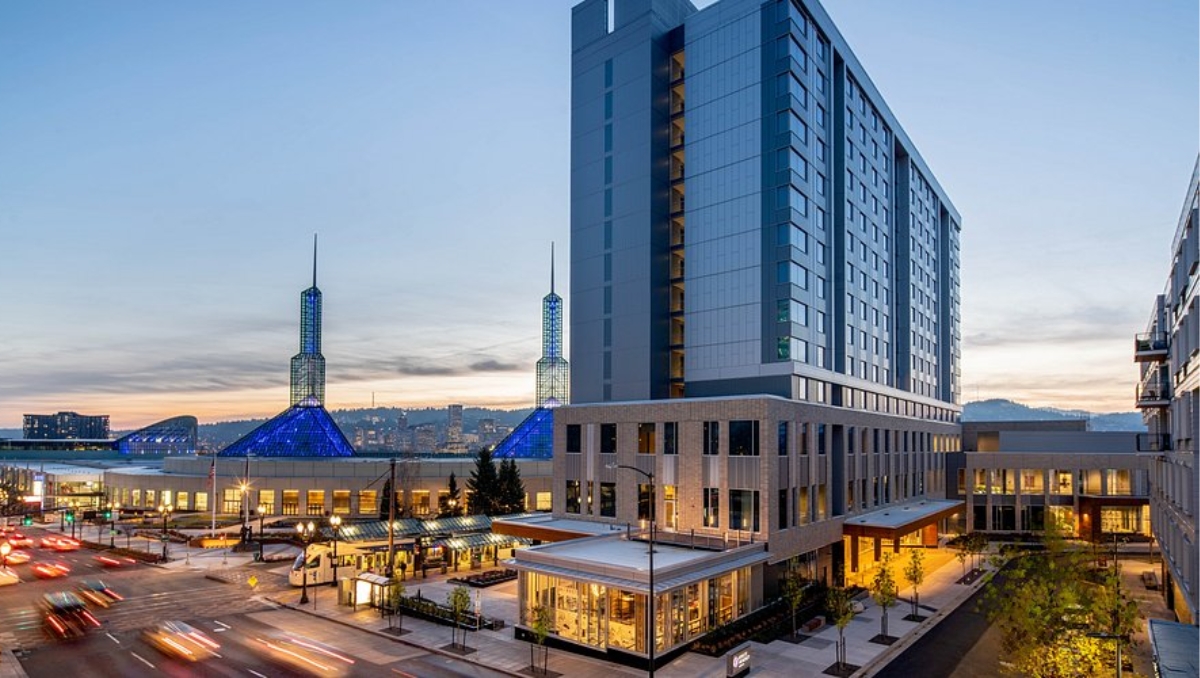
Hyatt Regency Portland at the Oregon Convention Center
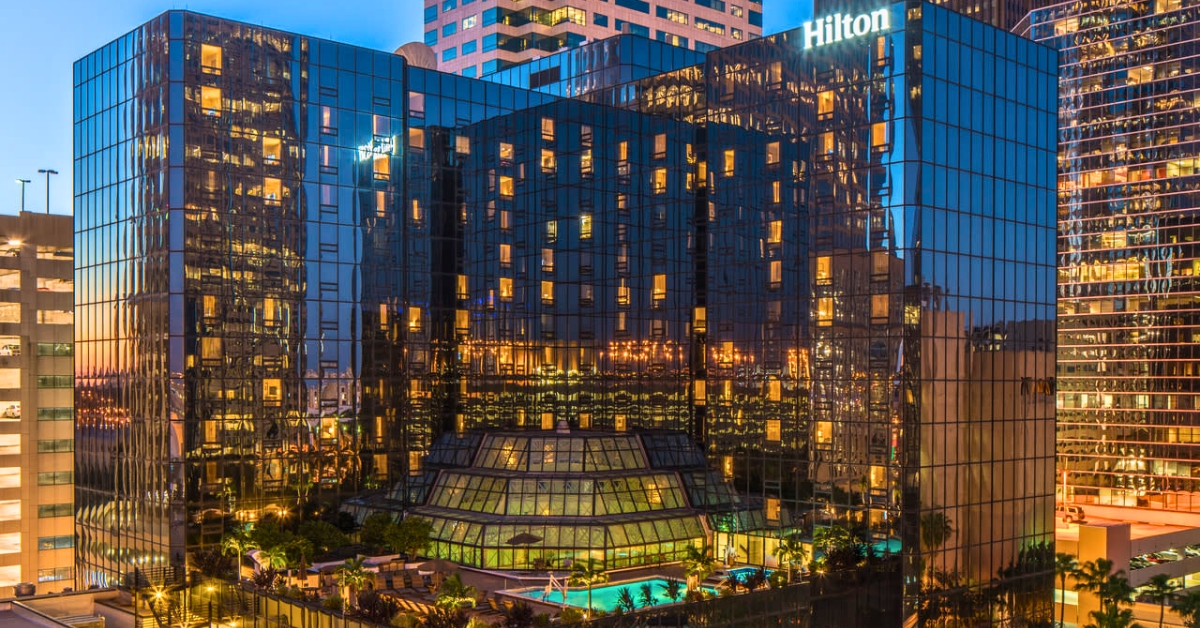
DoubleTree by Hilton Portland is located in the Lloyd District near the convention center and offers one of the city’s largest event footprints. The property provides a practical home base for groups that need multiple breakout rooms, substantial event space, and convenient access to convention programming. Its scale makes it particularly useful for conferences that need to keep several meeting functions operating at once.
- Guest rooms: 477
- Meeting rooms: 26
- Meeting space: 45,000 square feet
- Location: Approximately 0.3 mile from the Oregon Convention Center
- Why groups like it: Strong combination of room inventory, breakout capacity, and convention-center proximity
- Best for: Large conferences, corporate meetings, and programs requiring substantial meeting space
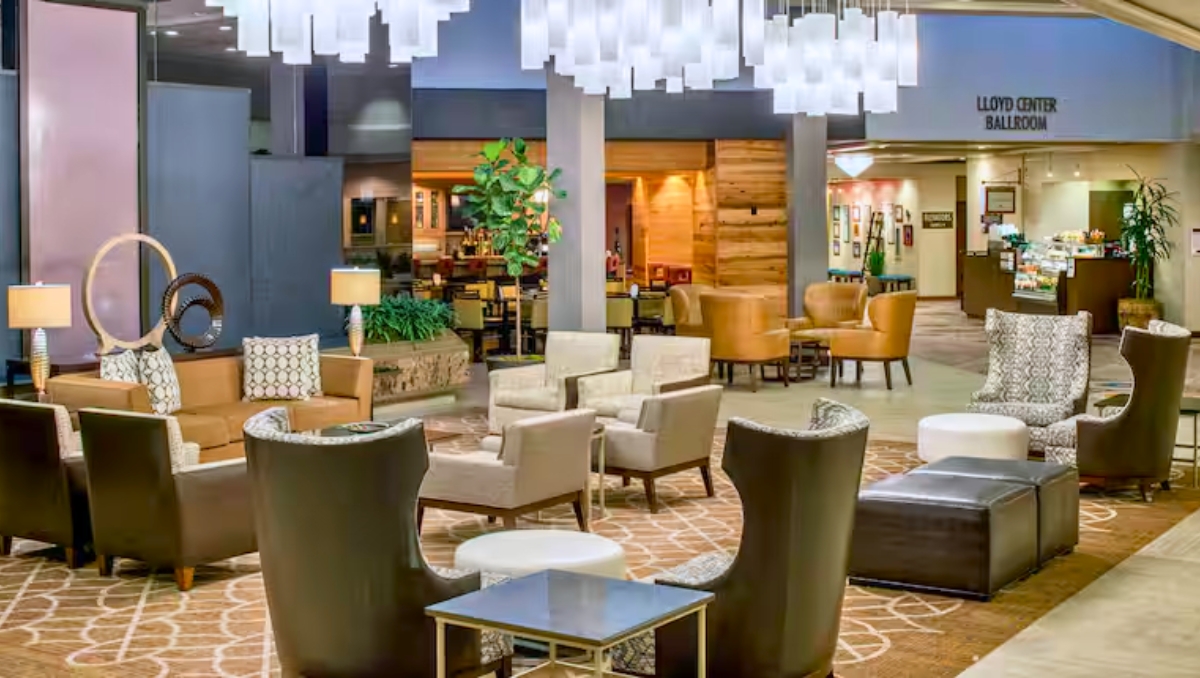
DoubleTree by Hilton Portland
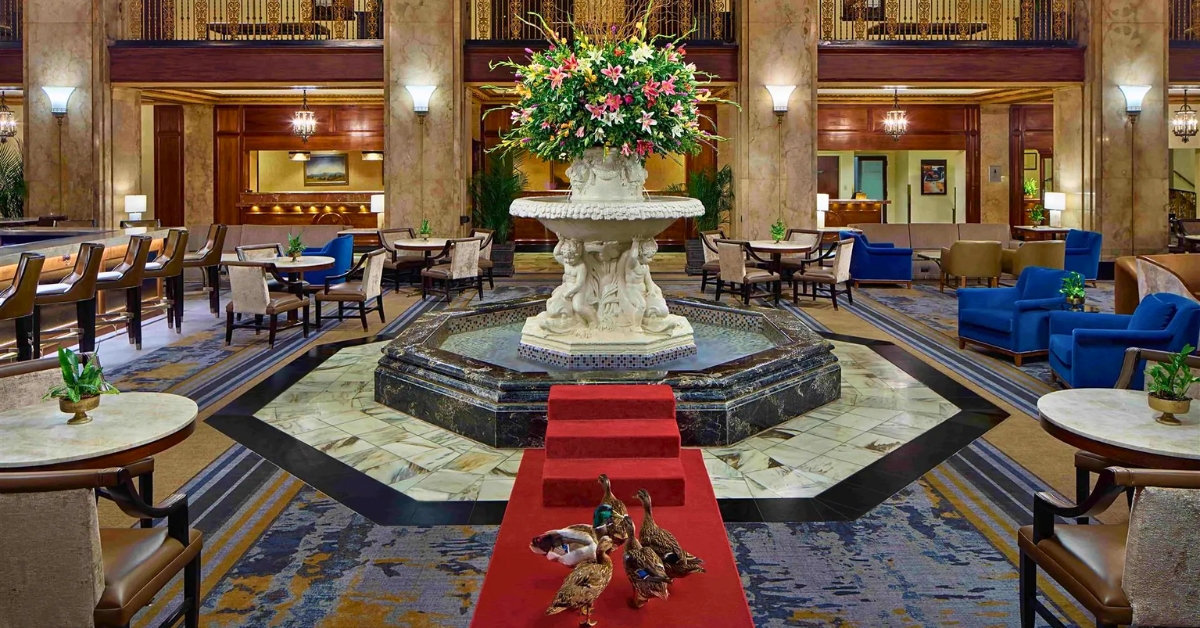
The Benson offers a more classic downtown hotel setting with convenient access to Portland’s restaurants, attractions, and shopping. Its meeting footprint is smaller than the convention-adjacent properties, which can make it a better fit for executive gatherings, receptions, and focused programs rather than large exhibit-driven events. Published information varies regarding the current number and configuration of meeting rooms, so planners should request an updated diagram and capacity chart.
- Guest rooms: 287
- Meeting rooms: Published sources vary between 10 structured meeting rooms and a current website description of 12 meeting rooms plus two grand ballrooms
- Meeting space: 12,870 square feet in structured destination data
- Location: Downtown, approximately 0.9 mile from the Oregon Convention Center
- Why groups like it: Central location, distinctive character, and a manageable event footprint
- Best for: Downtown meetings, elegant receptions, executive gatherings, and groups that value historic atmosphere
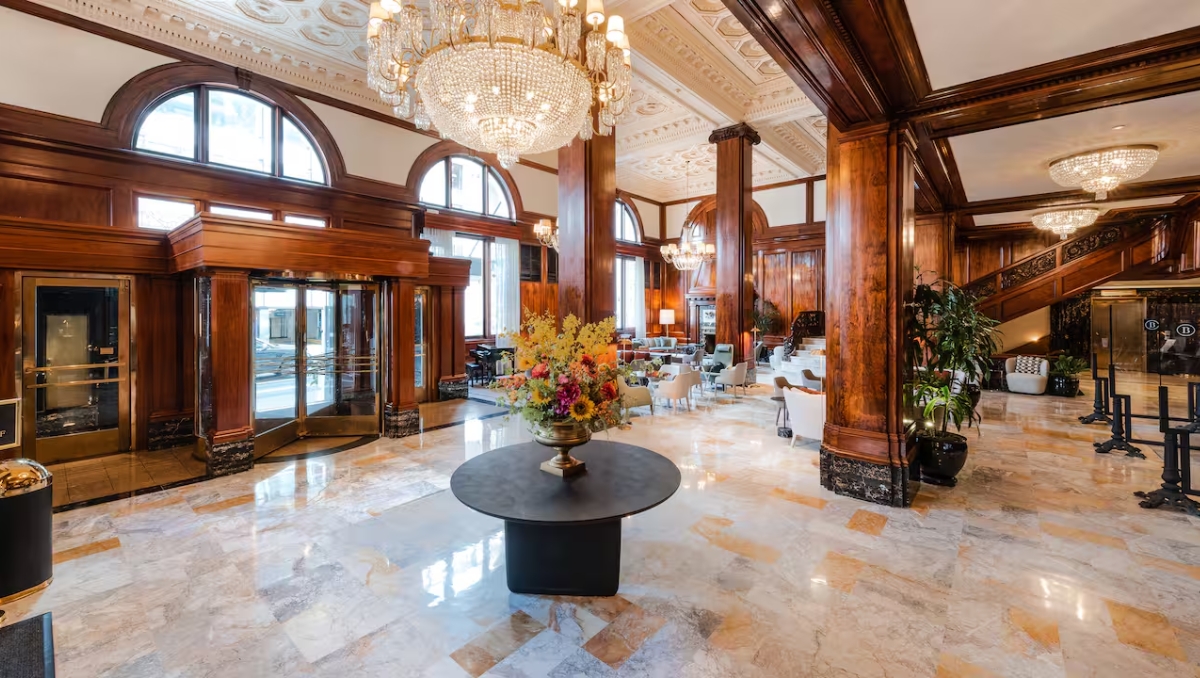
The Benson Portland
Hilton Portland Downtown is one of the strongest downtown anchors for larger group programs. It places attendees near restaurants, cultural attractions, shopping, and the city’s central business district while still offering significant meeting capacity. When paired with The Duniway, the two properties provide a particularly useful split-block strategy with 782 combined guest rooms and access to a larger shared event footprint.
- Guest rooms: 455
- Meeting rooms: 20
- Meeting space: More than 44,000 square feet individually; approximately 80,000 square feet combined with The Duniway
- Location: Downtown, approximately 1.2 miles from the Oregon Convention Center
- Why groups like it: Large downtown room block, extensive event space, and proximity to city attractions
- Best for: Large downtown conventions, citywide programs, and groups wanting an urban sightseeing experience
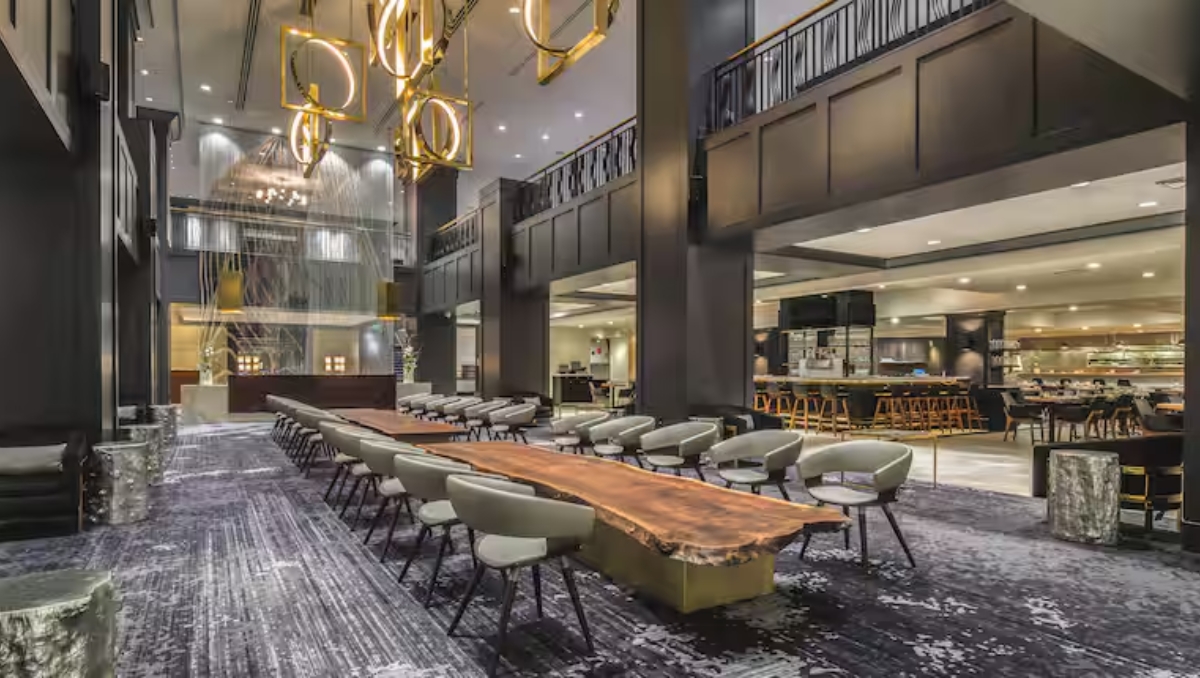
Hilton Portland Downtown
The Duniway is a smaller downtown property with a more focused meeting footprint. Its strongest strategic value comes from pairing it with Hilton Portland Downtown, allowing planners to expand room inventory while keeping attendees in the same general downtown area. It can also work independently for smaller meetings that do not require a large number of breakouts.
- Guest rooms: 327
- Meeting rooms: 3
- Meeting space: 3,222 square feet
- Location: Downtown, approximately 1.1 miles from the Oregon Convention Center
- Why groups like it: Flexible option for smaller programs and an efficient companion property to Hilton Portland Downtown
- Best for: Smaller meetings, executive groups, downtown leisure access, and split-block strategies
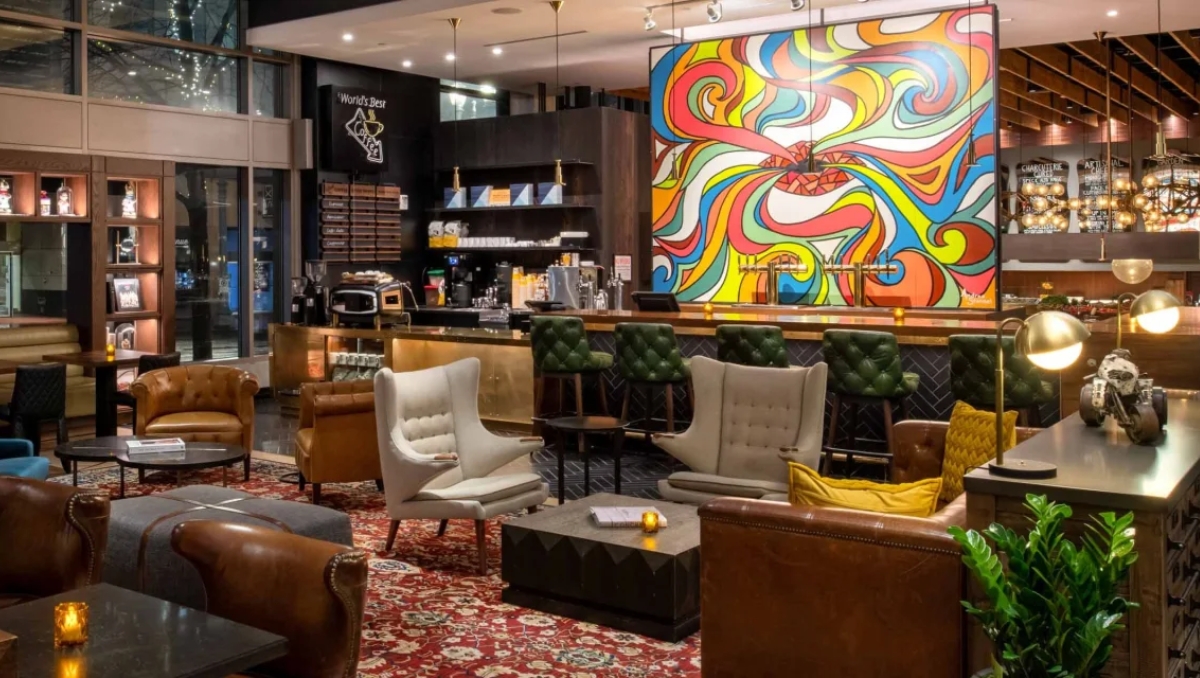
The Duniway Portland
The Nines brings a more elevated, design-conscious feel to Portland’s downtown hotel mix. Its location makes it convenient for groups that want to build sightseeing, dining, shopping, and cultural activities into the attendee experience. Because published sources describe different total amounts of indoor and outdoor event space, planners should verify the current usable footprint and room configurations during sourcing.
- Guest rooms: 331
- Meeting rooms: 14
- Meeting space: 13,478 square feet on the current meetings page; broader marketing describes approximately 20,000 square feet of flexible indoor and outdoor space
- Location: Downtown, approximately 1 mile from the Oregon Convention Center
- Why groups like it: Stylish setting, central location, and a strong fit for experiential programming
- Best for: Incentive programs, stylish corporate meetings, receptions, and groups seeking a memorable hotel environment
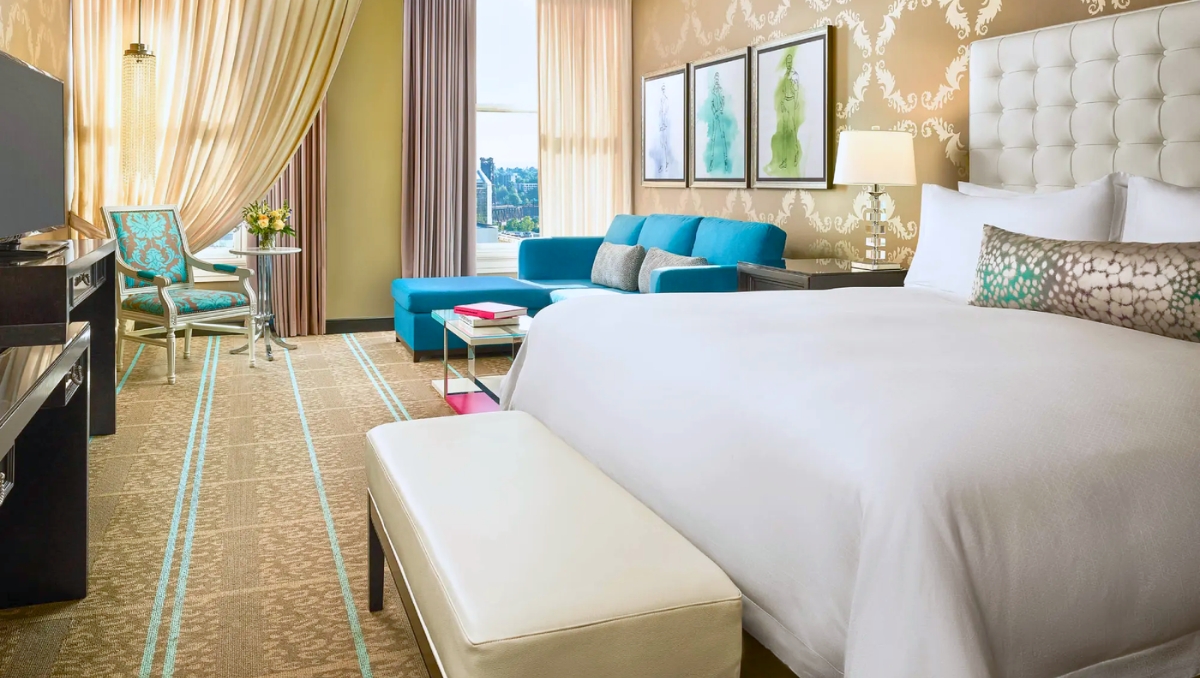
The Nines
Hotel Eastlund is directly across from the Oregon Convention Center, offering one of the easiest smaller-property options for convention attendees. Its location allows planners to maintain close access to convention programming without placing the entire group in a large convention hotel. The smaller scale can also create a more contained environment for focused meetings, hosted dinners, or overflow room blocks.
- Guest rooms: 168
- Meeting rooms: 5
- Meeting space: 5,600 square feet
- Location: Across from the Oregon Convention Center
- Why groups like it: Excellent convention-center proximity with a smaller hotel footprint
- Best for: Smaller conferences, executive meetings, overflow blocks, and programs using the convention center
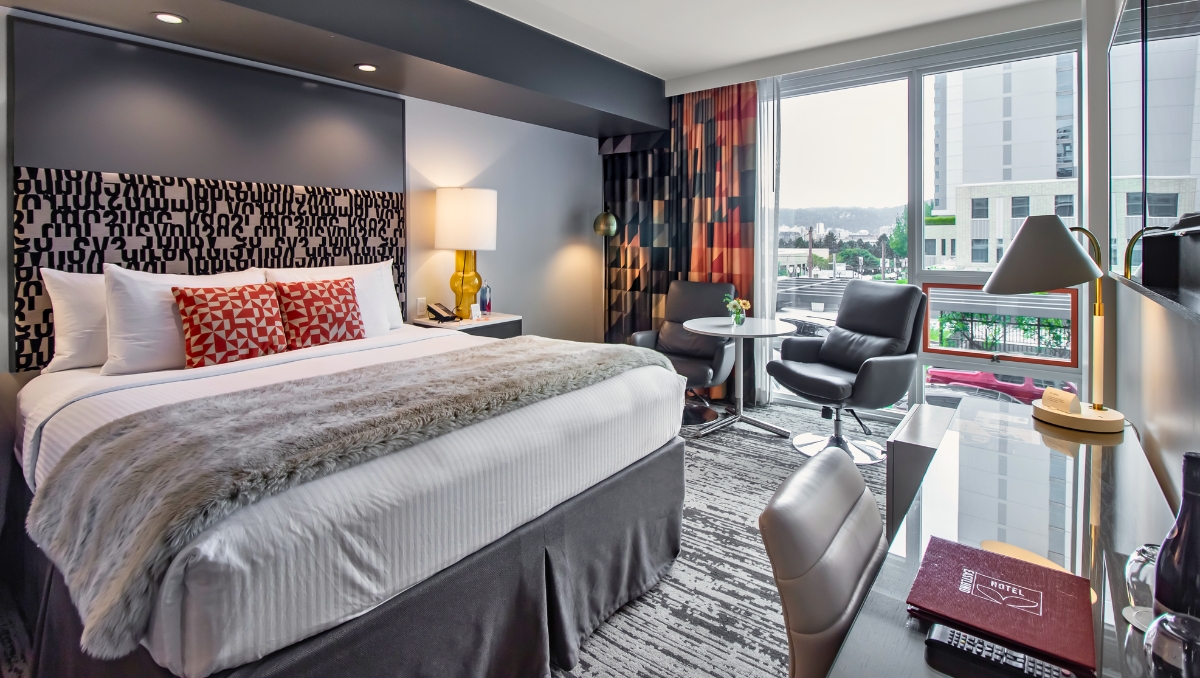
Hotel Eastlund
COURTYARD PORTLAND CITY CENTER
Courtyard Portland City Center offers a practical balance of downtown access, meeting space, and moderate room-block capacity. It is a useful choice for planners who want attendees close to Portland’s central attractions without needing the scale or cost structure of a major convention property. The meeting inventory supports corporate programs and smaller conferences that need several rooms but not a citywide footprint.
- Guest rooms: 256
- Meeting rooms: 10
- Meeting space: 8,972 square feet
- Location: Downtown, approximately 0.9 mile from the Oregon Convention Center
- Why groups like it: Central location and right-sized meeting inventory for mid-sized programs
- Best for: Corporate groups, smaller conferences, and planners seeking a straightforward downtown option
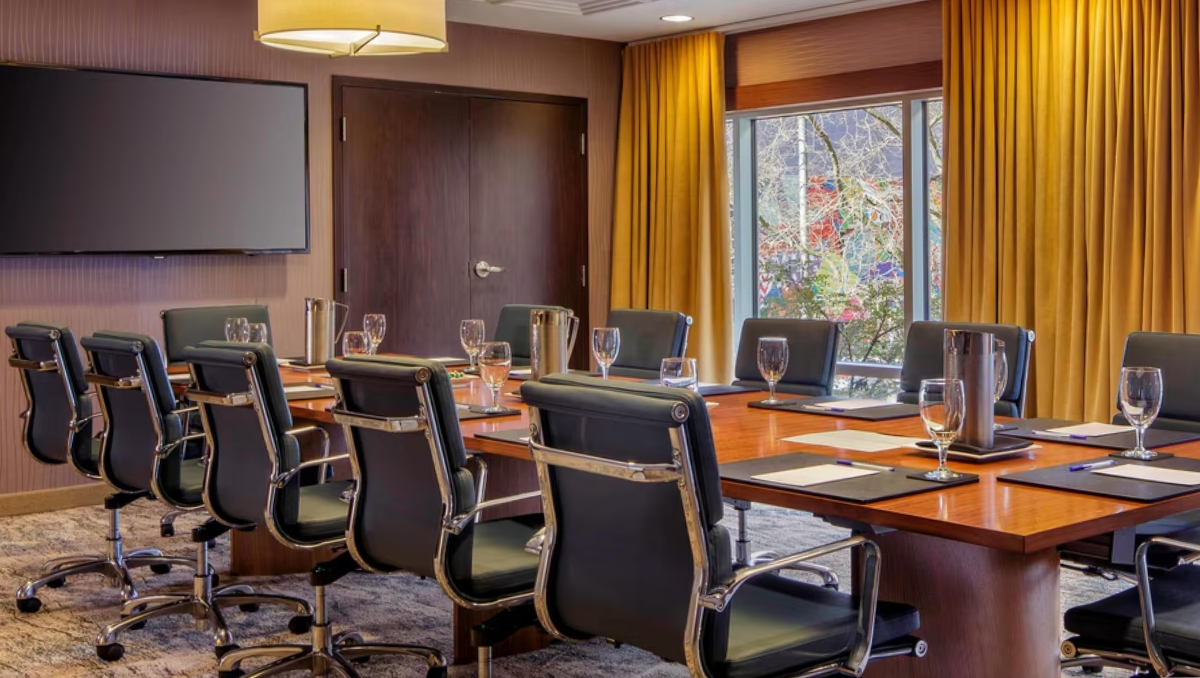
Courtyard Portland City Center
UNIVERSITY PLACE HOTEL AND CONFERENCE CENTER
University Place Hotel and Conference Center is located in the Portland State University district and offers a more value-oriented approach to group lodging and meetings. Its conference-center structure may appeal to university, educational, nonprofit, and community-focused programs that prioritize function and budget. The property is farther from the Oregon Convention Center than the Lloyd District hotels, so shuttle timing should be included in the transportation plan.
- Guest rooms: Published sources list 234 rooms in structured data and 235 in narrative information
- Meeting rooms: 11 listed rooms, with additional capacity described in broader property information
- Meeting space: 12,805 square feet
- Location: Portland State University district, approximately 1.7 miles from the Oregon Convention Center
- Why groups like it: Value-oriented lodging with meaningful meeting capacity
- Best for: University groups, educational programs, nonprofit meetings, and budget-conscious room blocks
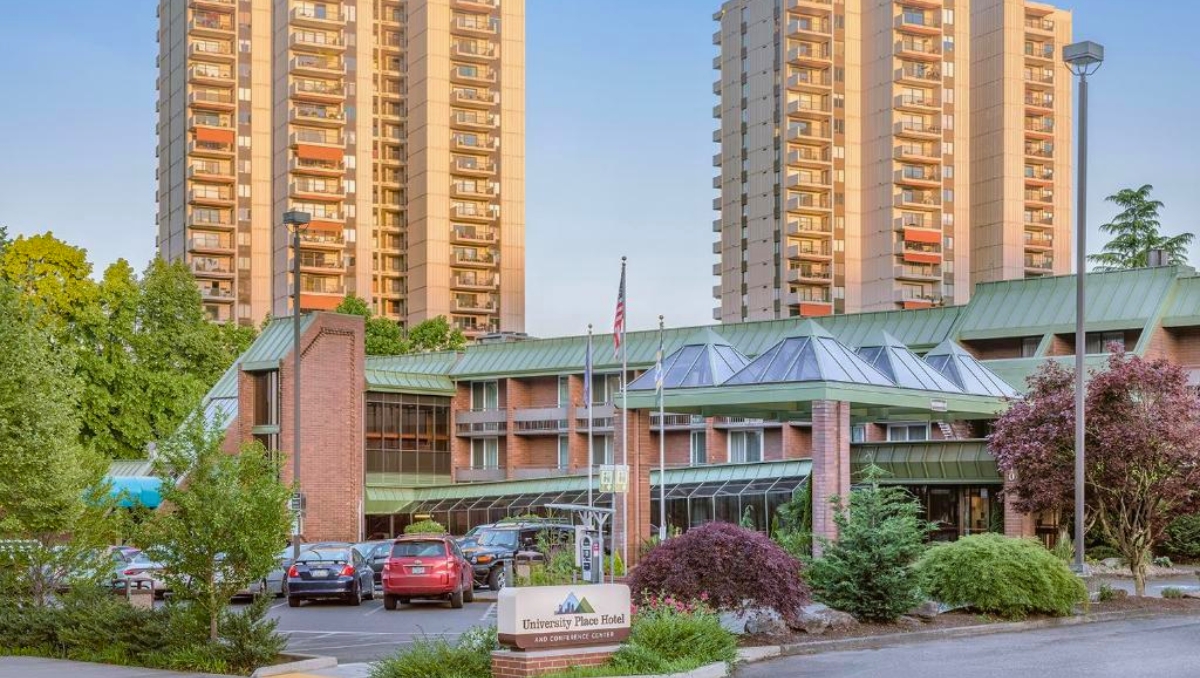
University Place Hotel and Conference Center
HOLIDAY INN PORTLAND COLUMBIA RIVERFRONT
Holiday Inn Portland Columbia Riverfront offers a larger event footprint outside Portland’s downtown core. It may appeal to groups that want more space and a less urban setting, particularly for reunions, regional programs, or meetings that can operate on a shuttle schedule. The tradeoff is that transportation planning becomes more important, especially when the itinerary includes downtown attractions or the Oregon Convention Center.
- Guest rooms: 320
- Meeting rooms: 20
- Meeting space: 41,000 square feet
- Location: Approximately 5.9 miles from the Oregon Convention Center
- Why groups like it: Substantial event space and a setting outside the downtown core
- Best for: Large meetings, reunions, regional programs, and groups comfortable with shuttle-based transportation
Always confirm the final room mix, accessible inventory, meeting-room configuration, event capacities, food-and-beverage minimums, audiovisual charges, parking, coach loading, and shuttle policies before contracting.
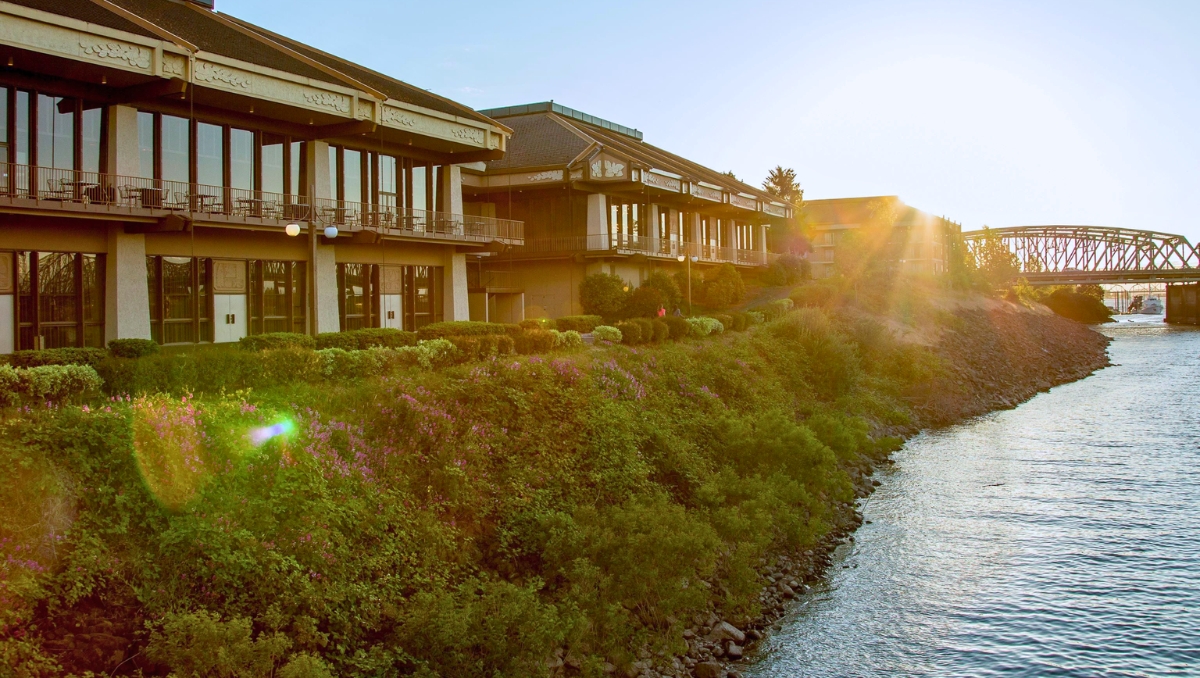
Holiday Inn Portland Columbia Riverfront
Dining and Nightlife
FOOD CARTS AND FOOD HALLS
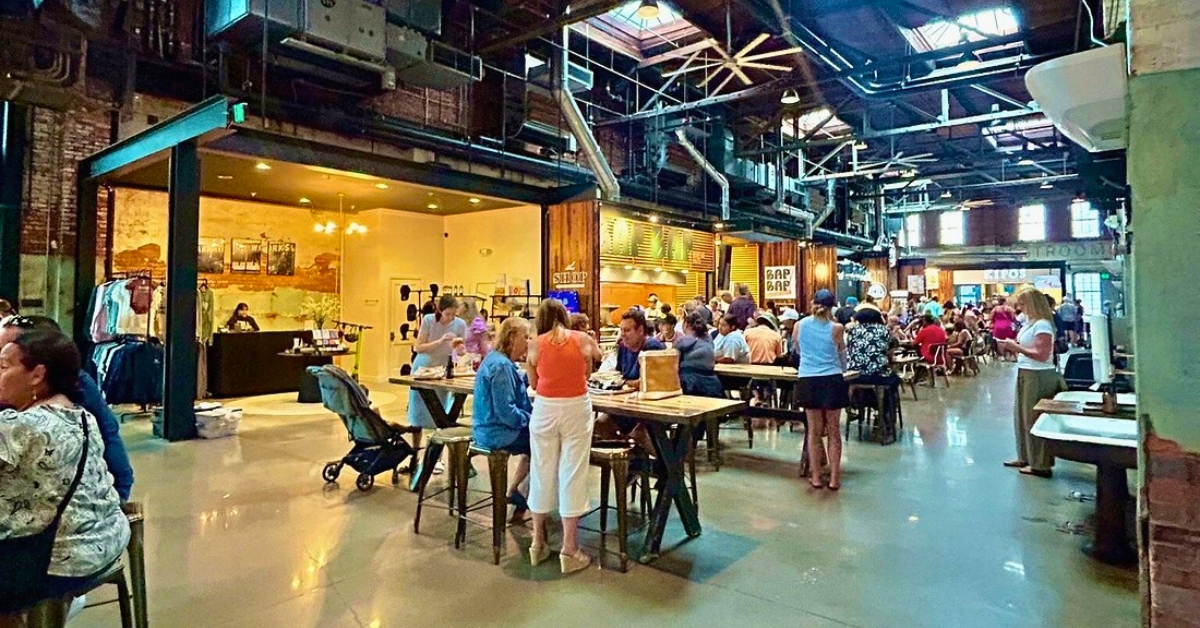
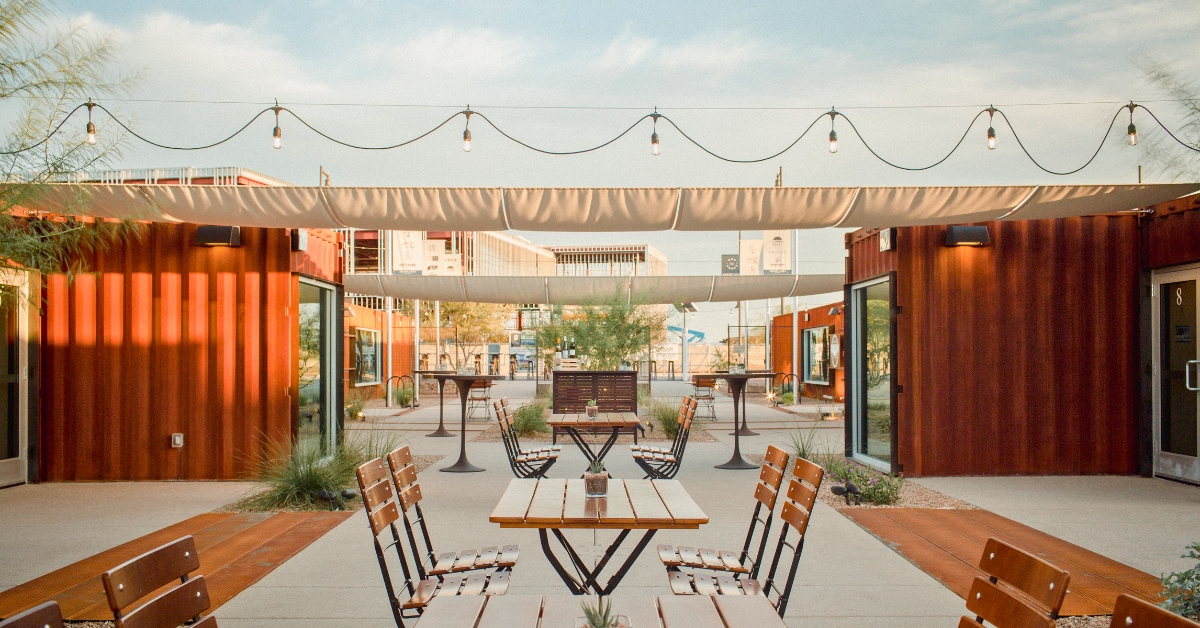
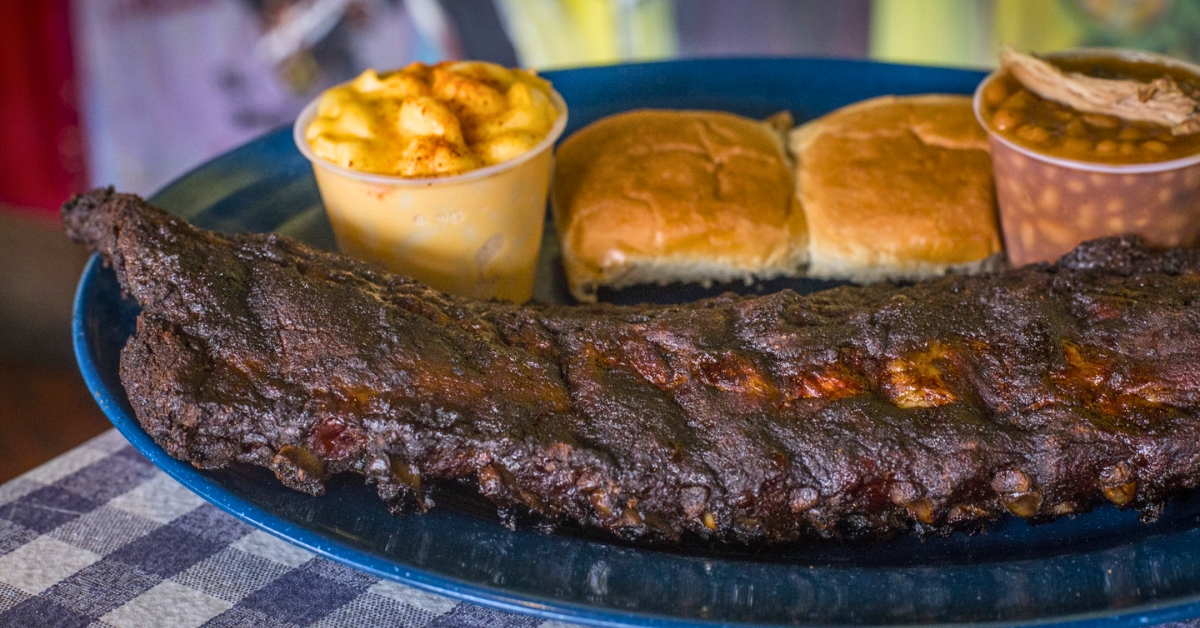
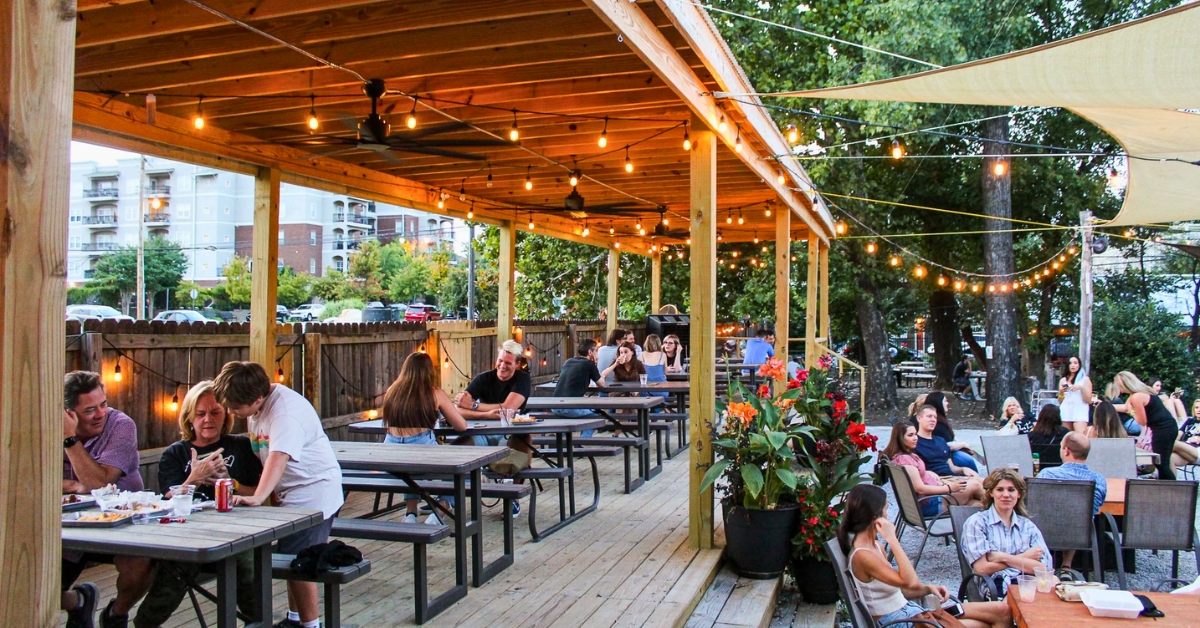
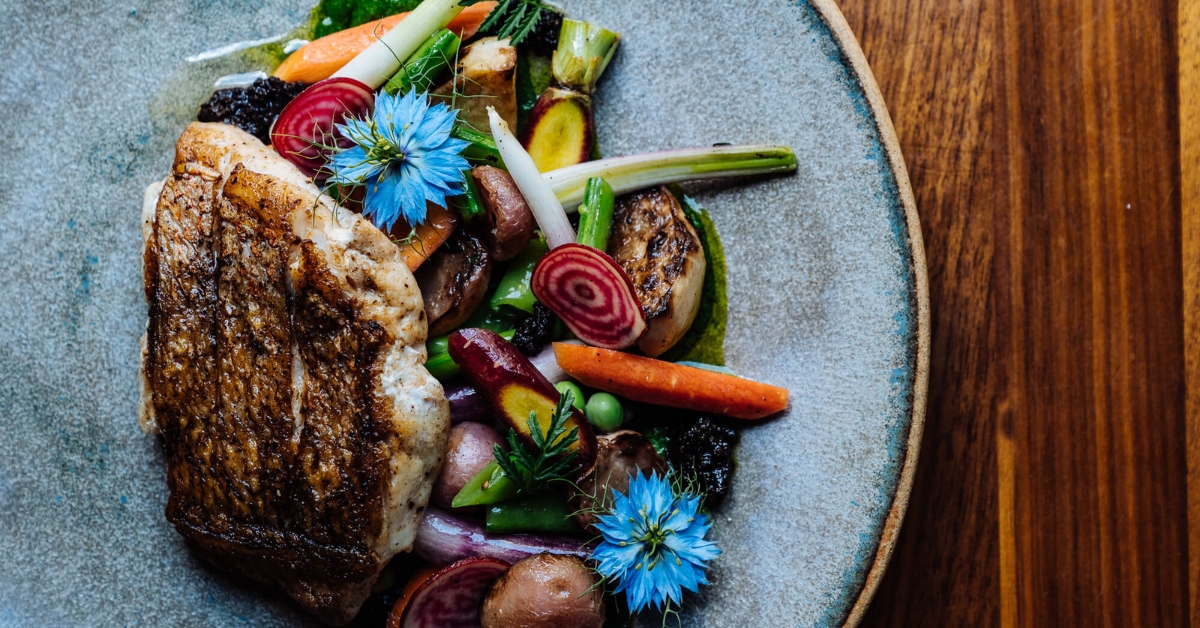
Food-cart pods are one of the city’s best group dining formats because everyone can choose something different while still eating together. Portland Mercado, CORE, Cartopia, Brooklyn Carreta, and Hawthorne Asylum are useful examples, although planners should confirm seating, weather coverage, parking, and group arrival logistics. Food halls provide a similar advantage in a more structured indoor environment. They are particularly useful for groups with different budgets, dietary needs, and cuisine preferences. Other group-friendly dining ideas include:- A Portland Spirit lunch or dinner cruise
- Brewery, coffee, wine, cider, or food tours
- Hosted dinners featuring Pacific Northwest seafood, seasonal produce, Oregon hazelnuts, Marionberries, and Willamette Valley Pinot Noir
- Restaurants and venues listed through Travel Portland’s group dining resources
Getting Around Portland
Portland is relatively easy to navigate for a city of its size, especially when the itinerary is centered downtown, in the Pearl District, or near the Lloyd District.
- The MAX Red Line connects Portland International Airport with downtown in approximately 40 minutes. The adult fare listed by TriMet is currently $2.80, subject to change.
- The Portland Streetcar connects downtown, the Pearl District, the Central Eastside, South Waterfront, and Lloyd. The current fare page lists $2 for 2.5 hours, with TriMet fares accepted.
- Downtown and nearby districts are compact and walkable.
- Rideshare and taxis are useful for airport transfers, evening returns, and guests with mobility needs.
- Rental cars are generally unnecessary for a central-city itinerary but useful for regional excursions.
- Biking can work well for smaller, active groups but may not suit every multigenerational or corporate program.
For groups of 20 or more, compare a charter bus or shuttle against multiple rideshares. Ask transportation providers about luggage capacity, ADA lift availability, pickup and drop-off staging, driver hours, Gorge access, wine-country routing, emergency contacts, and whether vehicles can enter each hotel’s loading area.
Downtown motorcoach parking is limited and generally first-come, first-served. Review Travel Portland’s motorcoach parking information before finalizing an itinerary.
Shopping and Local Gifts
Portland offers strong local shopping for welcome gifts, free-time activities, and departure-day experiences.
Useful stops include:
- Portland Saturday Market for handmade goods, art, jewelry, clothing, food, and gifts
- Portland Indigenous Marketplace and other Indigenous-led markets
- My People’s Market and other Black maker markets
- Portland Flea, PSU Farmers Market, Crafty Wonderland, and Jade International Night Market
- Powell’s for books and literary gifts
- Local makers featured through Travel Portland’s shopping guide
Popular Oregon products include hazelnuts, coffee, tea, chocolate, salts, preserves, Marionberry products, Oregon wine, ceramics, jewelry, textiles, leather goods, and locally designed clothing.
For culturally responsible shopping, look for clear artist or maker attribution. When purchasing Indigenous art or products, buy directly from identifiable Indigenous artists or established Indigenous-led marketplaces rather than products labeled generically as Native-inspired.
Portland Group Travel Booking Tips
Portland is flexible, but the strongest programs still require thoughtful advance planning.
- For groups of 100 or more, begin approximately 9 to 12 months ahead. For citywide conventions, major events, or peak summer dates, 12 to 18 months is safer.
- Use Travel Portland’s hotel and venue finder to compare properties and request destination assistance.
- Consider a split block when it improves the attendee experience. Hilton Portland Downtown and The Duniway are a particularly practical combination because of their combined room inventory and shared event footprint.
- Reserve group attractions early. Japanese Garden tours, Rose Garden group tours, museum programs, Portland Spirit cruises, and Zoo visits may have specific lead times or minimums.
- Watch the event calendar around the Rose Festival and other high-demand periods.
- Plan the Columbia River Gorge separately from the city itinerary. Confirm permits, road conditions, coach access, restroom stops, weather contingencies, and return timing.
- Put coach loading, accessibility, parking, shuttle routes, and walking distances directly into the RFP.
- Confirm whether meeting space is truly private and whether service aisles, staging, audiovisual equipment, and weather contingencies affect the usable footprint.
- Use the GroupSync Marketplace to compare group hotel options and streamline the sourcing process.
- For room-block management, GroupSync Housing can help create a personalized booking site and track pickup.
Turn Portland Into a Smarter Group Booking
Portland gives planners room to build a program with personality. It can support a large convention near the Oregon Convention Center, a downtown executive retreat, a food-focused incentive itinerary, a university program, or a multigenerational trip that combines museums, gardens, markets, and the Gorge.
The key is to treat Portland as a connected collection of neighborhoods and experiences rather than a single hotel campus. Choose the right hotel district, build transportation around the itinerary, reserve the experiences that have group limits, and leave enough flexibility for attendees to discover the city on their own.
Create a free GroupSync account to begin comparing hotel options and building a more efficient group booking process.
Ready to source your Portland hotel block?
Create a free GroupSync account and start comparing group-friendly hotels for your Portland meeting or event.