Planning Events at Casino Hotels: Why Casinos Are a Smart Fit for Certain Organizations and Programs

Planning Events at Casino Hotels: Why Casinos Are a Smart Fit for Certain Organizations and Programs

Casino hotels tend to get reduced to one question: Is gambling a distraction?

For experienced planners, the real question is different. Does the property support scale, logistics, engagement, and operational control without adding risk?

For many organizations, the answer is yes.

Modern casino hotels, especially integrated resorts, are purpose-built environments that combine hotel booking, conference rooms, dining, entertainment, and security under one operational umbrella. When the program fits, that structure can simplify planning, improve attendee experience, and create meaningful negotiating leverage for room blocks and meeting space.

This guide breaks down why casino hotels work so well for some events, where the advantages show up in real planning scenarios, and how planners typically mitigate the concerns that come with gaming environments.

Why Casino Hotels Are Designed With Planners in Mind

Most large casino hotels operate as integrated resorts. That means lodging, meeting rooms, food and beverage, entertainment, retail, and security are intentionally designed to work together.

From a planning perspective, that design philosophy shows up in practical ways:

  • Centralized convention services teams that handle conference room rental, catering, and AV together
  • Large, flexible meeting and exhibit footprints built for repeatable group use
  • Back-of-house infrastructure designed for high-volume load-in, load-out, and quick turns

Unlike standalone hotels that rely on external venues and transportation, casino resorts are engineered to keep attendees moving smoothly within a single campus. That operational cohesion is one of the biggest reasons planners return to these properties again and again.

Core Advantages for Corporate Meetings and Conferences

1. One-Stop Logistics That Reduce Complexity

Casino hotels are often described as “one-stop shops,” and for planners managing multiple vendors, that matters.

Instead of coordinating transportation between hotels, off-site venues, dinners, and receptions, many programs can live entirely on property.

This reduces friction in several ways:

  • Fewer contracts to manage since hotel booking, conference rooms, catering, and AV often sit under one agreement
  • Simpler staffing and security planning with a single operating footprint
  • Easier wayfinding for attendees who do not need shuttles or detailed transportation schedules

For organizations with lean planning teams or tight timelines, fewer moving parts can directly reduce risk.

2. Scale and Flexibility for Complex Programs

Casino hotels are built for volume. That benefits programs that would strain smaller properties.

Planners gain access to:

  • Large room blocks that support speakers, VIPs, exhibitors, and general attendees
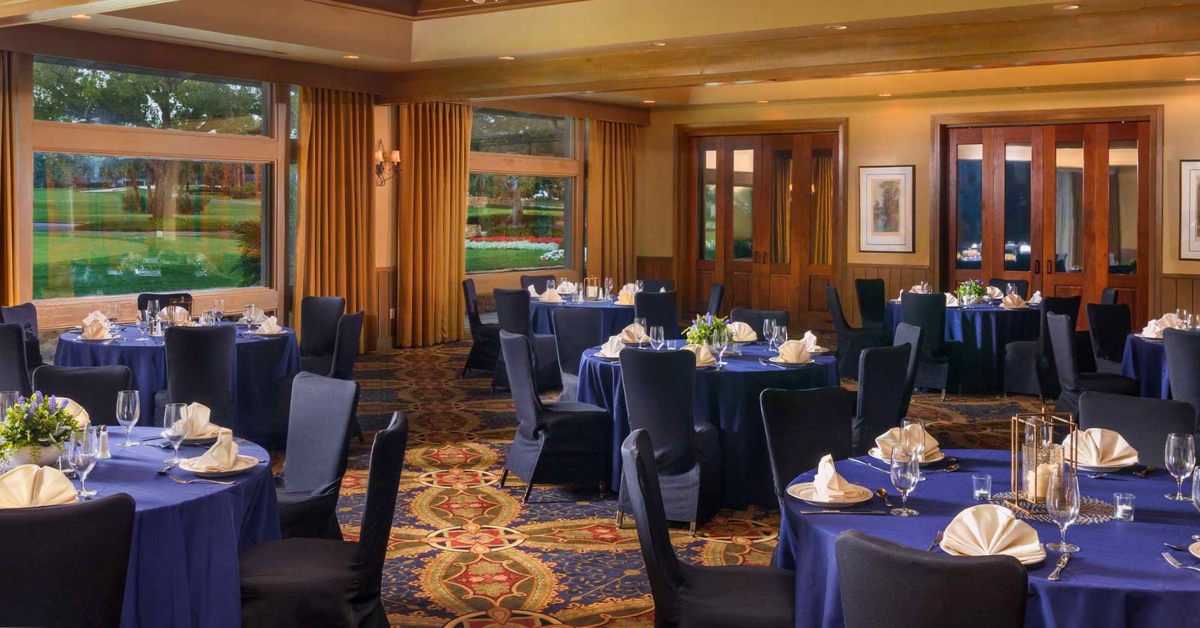
  • Multiple conference room configurations including ballrooms, theaters, and divisible breakout space
  • Unique on-property venues such as clubs, lounges, pool decks, and theaters that can host receptions or awards events

This flexibility allows planners to design layered experiences without sourcing additional venues or transportation. It is especially valuable for conferences, sales meetings, and multi-day programs with varied session types.

3. Built-In Attendee Engagement Without Extra Programming

Casino resorts invest heavily in entertainment and dining because those experiences drive guest satisfaction. For event planners, that investment becomes an engagement asset.

Instead of over-programming evenings or building complicated off-site experiences, planners can rely on:

  • A wide range of dining options that support informal networking
  • Entertainment and nightlife that attendees can opt into on their own schedule
  • Amenities like spas, shows, and lounges that appeal to different attendee preferences

This creates perceived value for attendees without increasing planner workload or budget complexity.

4. Campus-Style Meeting Districts in Major Markets

In destinations like Las Vegas, casino operators offer multi-property meeting campuses where several resorts function as a single ecosystem.

This model allows planners to:

  • Expand hotel booking inventory across multiple price points
  • Keep attendees within a walkable or tram-connected zone
  • Maintain consistent service standards across properties

For large meetings, this approach supports scale without sacrificing operational control.

5. Production-Ready AV and Connectivity

Casino hotels compete heavily on production capability. Many offer robust in-house or preferred AV teams with deep knowledge of the building’s infrastructure.

From a planner perspective, this translates into:

  • Experienced teams familiar with rigging, power, and room acoustics
  • High-capacity internet options including segmented Wi-Fi and hard-wired connections
  • Faster troubleshooting because technical teams work in the space every day

For general sessions, hybrid meetings, or tech-heavy programs, this reliability can be a deciding factor.

6. Negotiation Leverage Through Total Spend

Casino hotels are not solely dependent on room revenue. Food and beverage, entertainment, and on-property spending all factor into how the property values group business.

Planners can often leverage this by presenting a clear total-spend story that includes:

  • Room block volume
  • Catering minimums
  • Hosted receptions or dining buyouts
  • Entertainment or experiential components

This approach can unlock concessions such as reduced conference room rental, upgraded Wi-Fi, AV credits, or flexibility on attrition terms. It is not guaranteed, but it is a lever planners can use strategically.

7. Security and Controlled Environments

Casinos operate under strict regulatory requirements and invest heavily in surveillance and security infrastructure.

For events, that often means:

  • Established security teams accustomed to large crowds
  • Controlled access points for meeting areas
  • Experience managing high-profile guests and sensitive programs

For organizations with risk management or compliance considerations, this can be a quiet but meaningful advantage.

Independent Casino Resorts vs. Major Chains

Both large chains and independent casino resorts can be strong options, but they tend to serve different needs.

Major operators such as MGM Resorts International and Caesars Entertainment excel at scale and consistency. Their portfolios support large room blocks, standardized processes, and repeatable service models.

Independent or tribal casino resorts often shine when planners want:

  • A contained footprint that feels exclusive
  • Regional accessibility for drive-in audiences
  • High-touch service with more localized decision-making

Choosing between them depends on whether the priority is frictionless scale or a more bespoke, retreat-style experience.

Common Objections and How Planners Address Them

Casino hotels are not a universal fit. Experienced planners typically address concerns proactively.

Brand or compliance sensitivity

  • Select properties where gaming is physically separated from meeting space
  • Frame communications around the conference experience, not gambling

Distraction risk

  • Schedule sessions strategically and avoid late starts
  • Build compelling networking into the program itself

Responsible gaming considerations

  • Include responsible gaming language in attendee resources
  • Offer alternative evening activities so gaming is not the default

Budget volatility

  • Pre-negotiate food and beverage minimums
  • Use per-person packages for key events to control scope

These mitigations allow organizations to benefit from the venue without compromising values or outcomes.

When a Casino Hotel Is the Right Choice

Casino hotels tend to work best when:

  • You want hotel booking, conference rooms, and social space in one footprint
  • Production quality and AV reliability are priorities
  • Attendee experience and optionality matter
  • You have enough volume to negotiate concessions
  • Your organization is comfortable messaging the destination appropriately

When those conditions align, casino resorts can be one of the most efficient and planner-friendly venue types available.

Final Thought

Casino hotels are not about encouraging gambling. They are about concentration of resources.

For the right organization and the right program, that concentration simplifies planning, improves attendee satisfaction, and gives planners more control over outcomes.

Used thoughtfully, they remain one of the most effective tools in the event planning toolkit.

Planning a program where scale, flexibility, and speed matter?

Create a free GroupSync account to compare casino hotels, evaluate meeting space, and secure group hotel bookings faster without unnecessary RFP cycles.

Micro Meetings, Scaled Smart: A Practical How-To for Repeatable Small Events

Micro Meetings, Scaled Smart: A Practical How-To for Repeatable Small Events

Micro meetings have quietly become one of the most demanding event formats planners manage.

They are small in size but heavy in expectations. Leadership still wants impact. Attendees still expect a seamless experience. Stakeholders still want speed, savings, and consistency. And planners are often running many of these meetings at once.

This is where scalable thinking matters.

The planners who succeed with micro meetings are not treating them as “easy.” They are treating them as a system. This guide walks through how to build that system so small events can repeat without exhausting your team or diluting quality.

What Counts as a Micro Meeting or Scalable Small Event?

Micro meetings are generally defined as meetings with fewer than 25 attendees. They often involve minimal room nights, short agendas, and limited production.

Small meetings typically fall between 25 and 100 attendees and include modest food and beverage, simple AV, and fewer moving parts than a large conference.

Scalable small events are not defined by size alone. They are defined by repetition.

These are programs that happen again and again across regions or markets. The agenda stays largely the same. The audience profile is consistent. The locations change.

The difference is important because scalability requires a different planning mindset. You are not just planning one meeting. You are designing a model that has to hold up over time.

The Core Principle: Scale Comes From Sameness

The biggest misconception about scalable events is that they require more flexibility. In reality, they require more discipline.

Sameness is what allows scale to work. When planners lock the elements that matter most, everything else becomes easier to manage.

This does not mean every meeting feels generic. It means the backbone is strong enough to support local nuance without creating chaos.

When sameness is intentional, planners gain speed, stakeholders gain clarity, and execution becomes more predictable.

Step One: Standardize the Meeting Format Before You Source

Before any hotel search begins, planners need to decide what is fixed and what is flexible. Micro meetings often feel small enough to figure out on the fly, but that approach creates inconsistencies once the program starts to repeat.

Standardizing the format upfront allows every sourcing decision to be made against the same baseline. It also prevents scope creep when stakeholders request “just one small change” that quietly turns into a different meeting altogether.

Lock these elements before sourcing:

  • Target attendee count range
  • Meeting duration and flow
  • Required meeting room types and setup
  • Basic AV expectations
  • Whether overnight stays are required or optional

Step Two: Create a Reusable One-Page Micro Meeting Brief

Small meetings still involve multiple voices, fast timelines, and shifting priorities. A one-page brief becomes the shared reference point that keeps everyone aligned without slowing things down.

This document should be simple enough to reuse but detailed enough to remove guesswork. Over time, it becomes the foundation for every repeat meeting and sourcing conversation.

Your micro meeting brief should include:

  • Purpose and goals of the meeting
  • Standard attendee profile
  • Fixed agenda framework
  • Budget parameters
  • Non-negotiables versus flexible elements
  • Approval and decision-making ownership


Step Three: Offer Standardized Meeting Packages

Customization feels helpful until it becomes a bottleneck. Standardized packages allow planners to move quickly while still offering options that meet different business needs.

Packages also help internal teams understand cost and complexity tradeoffs without requiring planners to rebuild proposals for every meeting.

Common package structures include:

  • Half-day meeting with room only
  • Full-day meeting with lunch and breaks
  • Overnight meeting with room block and group dinner


Step Four: Build a Hub-and-Spoke Vendor Model

Scalable small events benefit from centralized standards paired with local execution. A hub-and-spoke model allows planners to maintain consistency while still adapting to regional needs.

Instead of onboarding new vendors from scratch in every city, planners define expectations once and apply them everywhere.

This model works well for:

  • AV partners with regional reach
  • Staffing support and onsite roles
  • Asset storage and transportation
  • Standard signage and materials


Step Five: Lock Contract Language Designed for Small Meetings

Small meetings often move fast, which makes contract delays especially disruptive. Having pre-approved contract language designed specifically for micro meetings removes friction without sacrificing protection.

This language reflects the lower risk profile of small meetings while still accounting for real-world changes.

Standard small-meeting contract terms often address:

  • Simplified attrition thresholds
  • Shorter cancellation windows
  • Clear billing and payment timelines
  • Flexible rebooking language


Step Six: Minimize Shipping and Pre-Position Assets

Shipping can quickly outweigh the cost of the meeting itself if not managed intentionally. Scalable programs prioritize lightweight assets and regional storage whenever possible.

The goal is not to eliminate physical materials entirely, but to make asset decisions that support repetition.

Planners often focus on:

  • Digital materials over printed pieces
  • Reusable signage kits
  • Regionally stored supplies
  • Minimal on-site setup requirements


Step Seven: Clone Timelines, Checklists, and Communications

Repetition is where scalable programs either break or thrive. Cloning proven timelines and checklists allows planners to focus on what changes instead of rewriting the same plan repeatedly.

This approach also reduces errors when multiple meetings are happening at once.

Common cloned assets include:

  • Master planning timelines
  • Sourcing and contracting checklists
  • Registration and attendee emails
  • Onsite run-of-show templates

Where Groups360 Fits Into the Process

Sourcing remains one of the most time-consuming parts of planning small meetings, especially when programs repeat across locations.

Groups360 supports micro meetings by enabling faster hotel sourcing and, in most cases, instant booking for qualifying group room blocks. This is particularly useful when the meeting format has already been standardized.

By reducing manual RFP volume and allowing planners to compare consistent options quickly, Groups360 helps protect time while maintaining control across multiple events.

It works best as part of a broader strategy that prioritizes systems over one-off solutions.

Why Micro Meetings Are Worth Doing Well

Micro meetings are not filler events. They are often where the most meaningful conversations happen.

When designed with intention, they create access, build trust, and support faster decision-making. They also allow organizations to stay connected without relying solely on large annual conferences.

For planners, micro meetings represent an opportunity to lead strategically instead of reactively.

Final Thought: You Already Have the Skillset

Micro meetings scale when planners stop treating them as exceptions. Standardization creates clarity. Clarity creates speed. Speed creates sustainability. That is how small events become a powerful, repeatable part of a modern meetings strategy. 

Save up to 60% on hotel bookings with GroupSync™

Get access to the best rates with risk-free cancellation.

Celebrity-Owned Hotels That Deliver for Groups: Star Power Meets Seamless Planning

Celebrity-Owned Hotels That Deliver for Groups: Star Power Meets Seamless Planning

Celebrity-owned hotels add an extra layer of story to group travel. Behind many of these properties are personal connections to place, design, hospitality, and community, which can translate into memorable experiences for meetings, retreats, and incentive programs.

For meeting and event planners, the appeal goes beyond name recognition. These hotels often offer distinctive settings, thoughtfully designed spaces, and a sense of character that helps gatherings feel more intentional and less routine.

In this guide, we’re highlighting a collection of celebrity-owned hotels across the U.S. that are well-suited for group travel, from executive offsites and leadership retreats to incentive trips and creative gatherings. Each property brings its own personality, while still offering the foundational elements planners need to book with confidence.

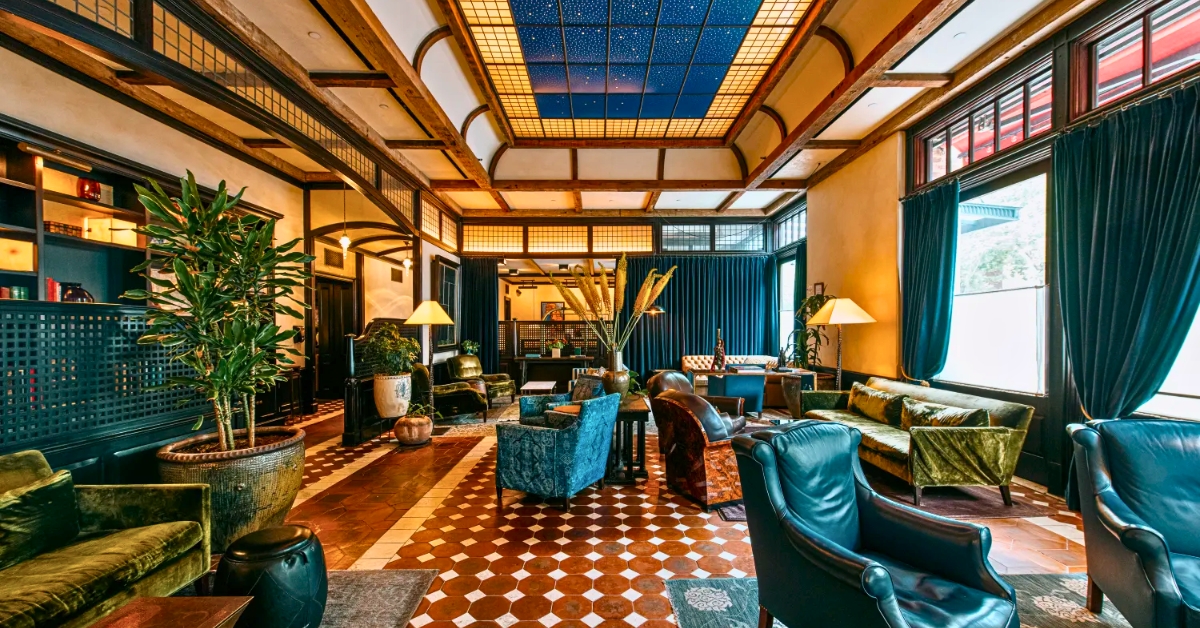
The Greenwich Hotel | New York City

Owned by Robert De Niro

the greenwich hotel new york city

The Greenwich Hotel doesn’t announce itself. It invites you in.

Located in Tribeca, this boutique property reflects Robert De Niro’s understated style and deep New York roots. The atmosphere feels residential rather than transactional, which makes it especially effective for executive-level meetings and leadership retreats.

While it does not offer traditional conference rooms or large ballrooms, planners often leverage the Drawing Room, private courtyard, and on-site dining spaces for conversations that matter. This is the kind of hotel where senior teams unplug, stay present, and actually talk to one another.

Best suited for groups that value discretion, intimacy, and a sense of place over scale.

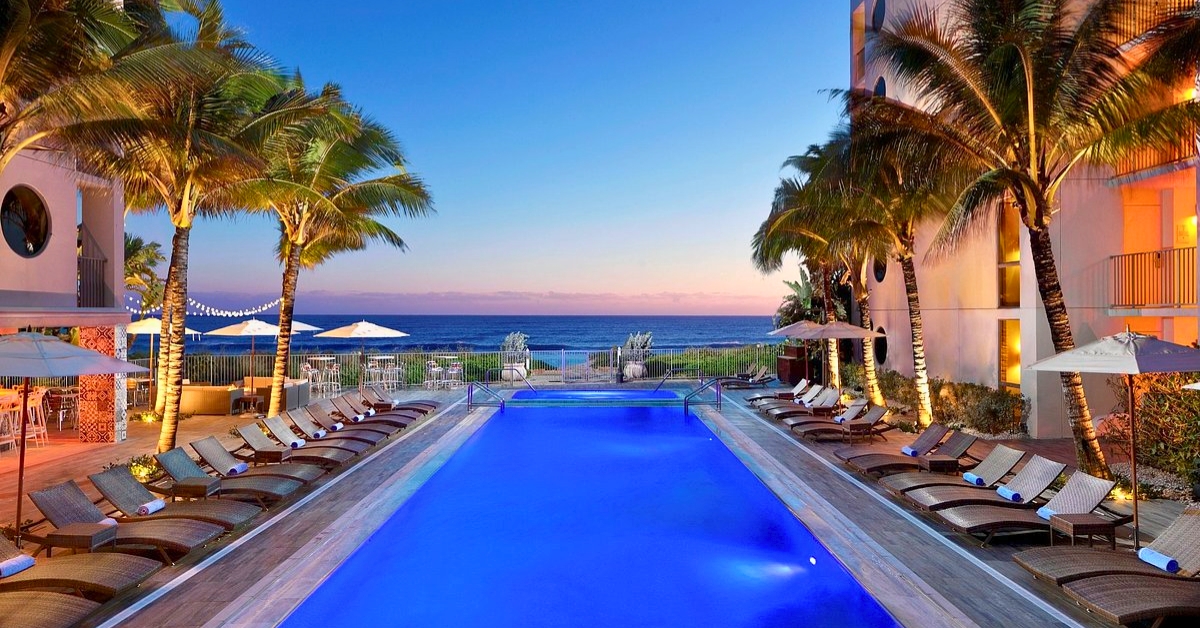
Costa d’Este Beach Resort & Spa Vero Beach Florida

Costa d’Este blends boutique luxury with relaxed beachfront energy, infused with unmistakable Latin warmth. From arrival through departure, the experience feels intentional and welcoming without feeling overly staged.

For planners, this resort is a strong option for incentive trips, leadership retreats, and mid-sized corporate meetings. Its scale allows for meaningful room blocks without overwhelming the property, and indoor and outdoor event spaces provide flexibility across agendas.

Groups can move easily from meetings to beach time to dining, minimizing transportation complexity and maximizing attendee experience.

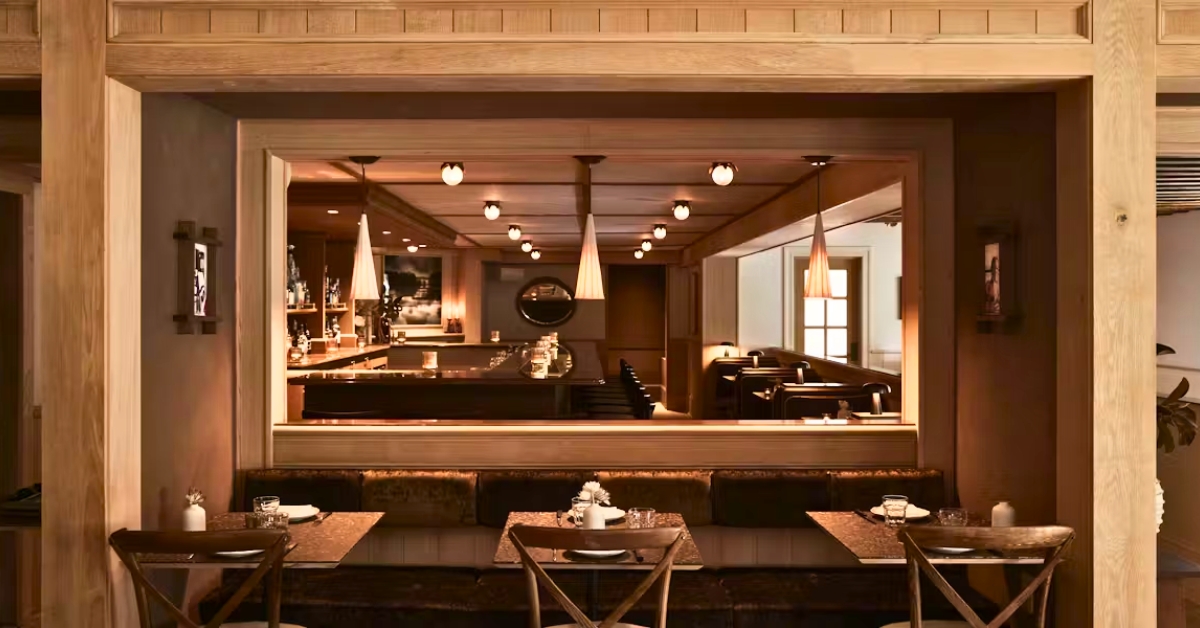
Bedford Post Inn Bedford, New York

Bedford Post Inn is designed for focus.

Set on a wooded estate in Westchester County, this eight-room Relais & Châteaux property is ideal for board retreats, executive workshops, and leadership offsites where privacy and calm are priorities. The historic restoration maintains warmth and authenticity while delivering modern comfort.

Event spaces across restored barns, lofts, and outdoor lawns allow planners to scale gatherings thoughtfully without losing intimacy. Meals are deeply considered, service is personal, and distractions are intentionally minimal.

This is not a high-volume property. It is a high-impact one.

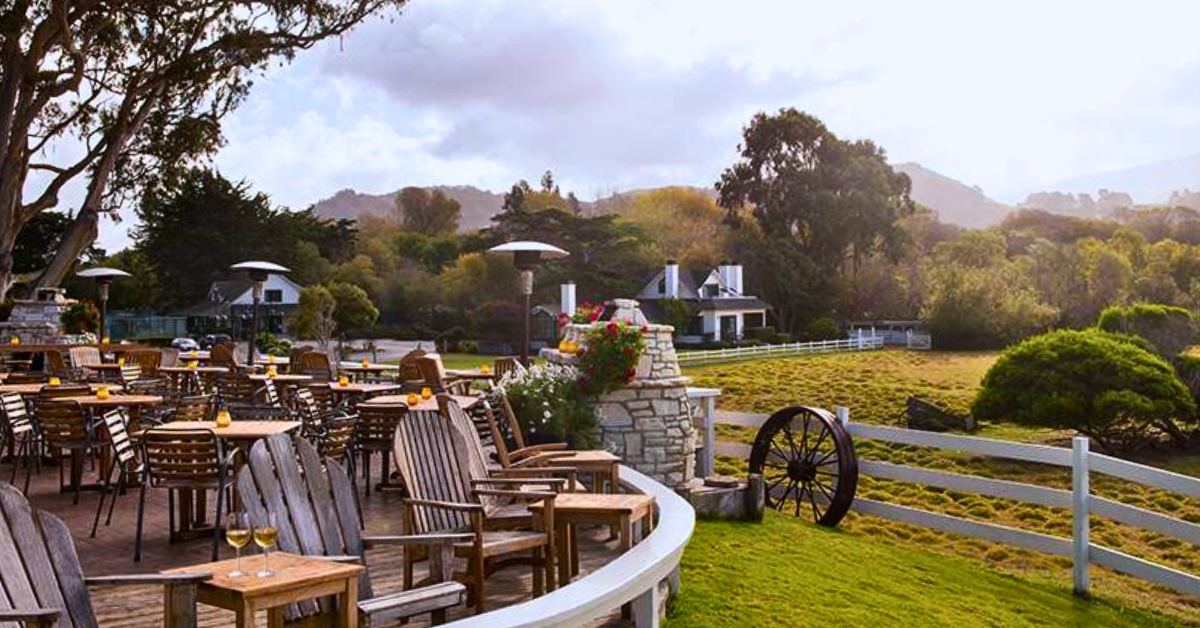
Mission Ranch Carmel, California

Mission Ranch feels like a retreat before you even check in.

Situated on open pastureland overlooking the Pacific, the property preserves its agricultural roots while offering a relaxed, welcoming atmosphere. There are no formal conference rooms here, and that’s part of the appeal.

Groups use restaurant spaces, lawns, and outdoor settings for creative retreats, wellness-focused meetings, and leadership gatherings that benefit from fresh air and open thinking. The absence of corporate formality encourages genuine connection and collaboration.

For planners seeking a meeting experience that feels human instead of institutional, Mission Ranch delivers something rare.

Dollywood’s DreamMore Resort Pigeon Forge, Tennessee

DreamMore Resort is warmth at scale.

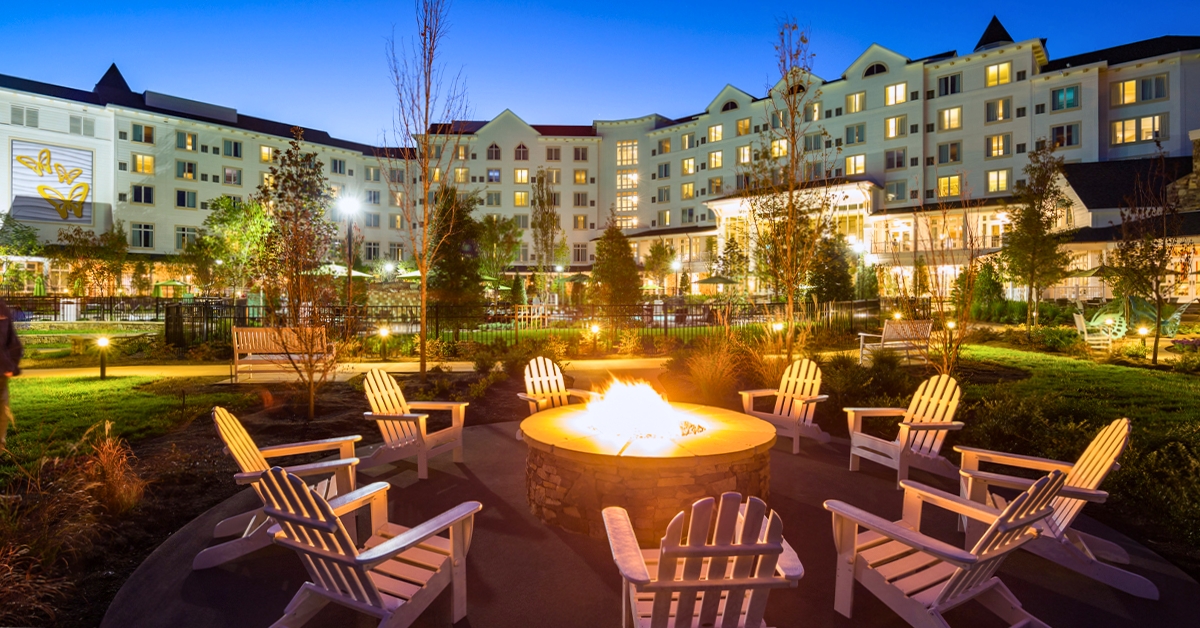
Dolly Parton’s influence shows up in the way the resort prioritizes togetherness, ease, and hospitality. From a planning standpoint, it’s a surprisingly strong option for corporate meetings, training sessions, and large group retreats.

With ample guest rooms, dedicated meeting space, and built-in entertainment nearby, DreamMore simplifies logistics while keeping attendees engaged. Groups can meet during the day and enjoy shared experiences in the evening without leaving the property ecosystem.

This is a smart choice for planners who want conference rooms that don’t feel cold and a destination that supports both work and play.

Hotel 1928 | Waco, Texas

Owned by Chip and Joanna Gaines

Hotel 1928 Waco, Texas

Hotel 1928 is brand storytelling done right.

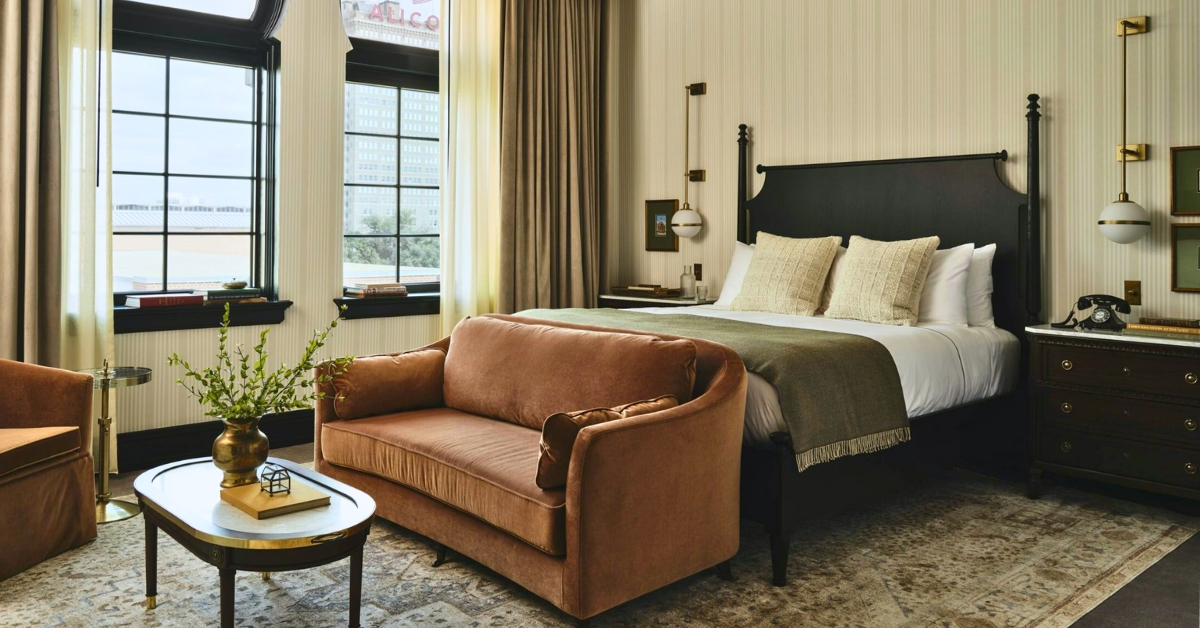
Housed in a restored historic building, the hotel reflects Chip and Joanna Gaines’ signature aesthetic while maintaining a strong sense of place within downtown Waco. Every space feels considered, from guest rooms to communal lounges.

For groups, this property shines for leadership retreats, influencer gatherings, and creative strategy sessions. With a manageable room count, full buyouts are possible, and shared spaces naturally double as informal meeting environments.

If your group values design, inspiration, and authenticity, Hotel 1928 offers a refreshing alternative to generic boutique hotels.

The Goodtime Hotel Miami Beach, Florida

The Goodtime Hotel lives up to its name.

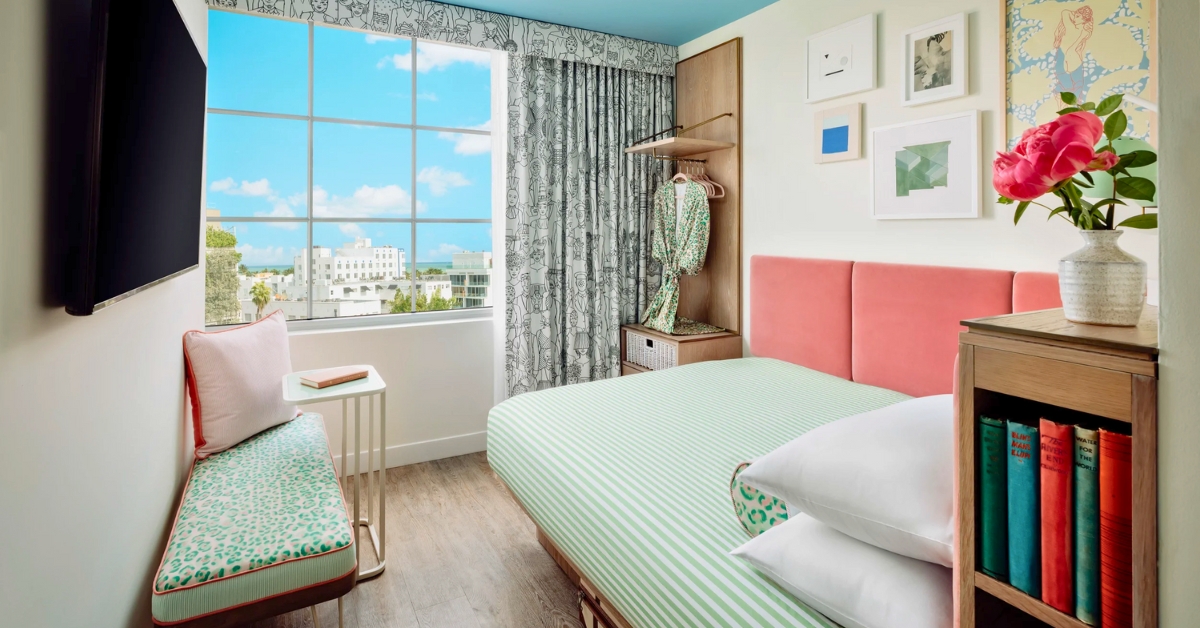
Vibrant, social, and unapologetically playful, this Miami Beach property blends creative energy with professional execution. While the atmosphere leans fun-forward, the hotel still supports corporate groups, brand activations, and incentive programs with flexible meeting and event space.

Outdoor venues, indoor breakout rooms, and social programming allow planners to design agendas that balance productivity and celebration. This hotel works especially well for teams that thrive on energy and connection.

It turns group travel into an experience rather than a checkbox.

Arnold Palmer’s Bay Hill Club & Lodge Orlando, Florida

Bay Hill is about legacy, not flash.

Known globally for its championship golf course, this property also offers strong infrastructure for corporate retreats, client programs, and executive meetings. Lodging includes guest rooms and cottages, allowing groups to stay together while maintaining comfort and privacy.

Meeting spaces are classic and well-equipped, service is attentive, and the environment encourages relationship-building. Golf is central, but non-golf amenities ensure the experience works for diverse attendees.

For planners seeking tradition, credibility, and consistency, Bay Hill remains a reliable favorite.

Why Celebrity-Owned Hotels Belong in Your Group Hotel Search

When sourced strategically, celebrity-owned hotels offer something many traditional properties cannot: a built-in narrative. These hotels help meetings feel intentional, retreats feel restorative, and incentive trips feel earned.

The key is matching the property to the purpose.

With Groups360 and GroupSync, planners can search, compare, and secure distinctive hotels like these while still managing room blocks, hotel RFPs, pricing, and attrition risk in one place.

Ready to Source Smarter?

If you’re exploring unique hotels for corporate events, executive retreats, or group travel, Groups360 makes it easier to find the right fit without sacrificing strategy.

Create a free GroupSync account to search group-friendly hotels, compare availability across brands, and manage hotel booking with confidence.

Start planning smarter at Groups360.com.


Save up to 60% off hotel room rates with GroupSync™

Book now & pay later.

How Event Planners Vet Vendors (and Avoid Costly Mistakes)

How Event Planners Vet Vendors (and Avoid Costly Mistakes)

If you have been in this industry long enough, you already know this truth.

Your event is only as strong as the vendors behind it.

You can negotiate the perfect hotel booking, secure the right conference rooms, and build a flawless run of show. One unreliable vendor can still unravel everything. Missed load-ins. Disappearing deposits. Last-minute cancellations. And in the worst cases, outright fraud.

Vendor vetting is no longer just a “nice to have.” It is a core risk-management skill for modern event planners.

The good news is this. You already have the instincts. You just need a repeatable process to back them up.

This guide walks through how experienced planners vet vendors, what red flags to watch for, and how to protect yourself contractually and financially.

Why Vendor Vetting Matters More Than Ever

The stakes are high in events.

Budgets are large. Timelines are tight. Expectations are high. One vendor failure does not just impact the event. It can damage your relationships and your professional reputation.

Scams and fraudulent vendors are also on the rise. Some impersonate legitimate companies. Others underbid to secure deposits, then disappear. Even planners who follow best practices have been caught off guard.

Vendor vetting is not about paranoia. It is about protection.

Step 1: Source Vendors Strategically

Before you vet, you need the right pool of candidates.

Trusted Referrals Still Matter Most

Seasoned planners consistently cite peer referrals as the gold standard. Other planners know who delivers and who causes problems. Venue partners are another strong source. Preferred vendor lists exist for a reason. These vendors understand the venue, the load-in process, and the expectations.

Online Research Is a Starting Point, Not the Finish Line

Industry directories, review platforms, and professional groups help expand your options. Look for vendors with:

  • A professional website
  • An active online presence
  • Clear examples of past work

A lack of online footprint is a red flag in today’s market

Industry Events and Trade Shows

Meeting vendors face-to-face at industry events allows you to assess professionalism early. Ask questions. Take notes. Follow up later with formal vetting.

Step 2: Evaluate Reputation and Experience

Once you have a shortlist, it is time to dig deeper.

Review Portfolios with a Critical Eye

A polished portfolio matters, but relevance matters more. Look for experience that matches:

  • Event size
  • Audience type
  • Technical complexity

A vendor who excels at intimate social events may not be ready for a large corporate conference, and that is okay. Fit matters.

Read Independent Reviews

Do not rely solely on testimonials provided by the vendor. Look for third-party reviews and recurring patterns. One bad review happens. Multiple similar complaints do not happen by accident.

Speak to References

Reputable vendors will provide references. Call them. Ask about:

  • Reliability
  • Communication
  • Problem-solving
  • How issues were handled

Planner-to-planner referrals often provide the most candid insight.

Step 3: Pay Attention to Communication

How a vendor communicates early tells you a lot about how they will perform later.

Responsiveness

Delayed replies, vague answers, or repeated follow-ups required from you are early warning signs.

Clarity

Professional vendors answer questions directly and thoroughly. They explain how they handle changes and challenges instead of offering vague reassurances.

Willingness to Meet

Insist on a phone call or video meeting. Vendors who avoid real conversations without a clear reason deserve extra scrutiny. Many documented scams rely entirely on email communication.

Step 4: Verify Credentials and Legit

This is where many planners skip steps under pressure. Do not.

Business Licensing

Ask for proof that the vendor is legally permitted to operate. This is standard practice, not an insult.

Insurance Is Non-Negotiable

Every legitimate event vendor should carry liability insurance. Request a Certificate of Insurance and verify:

  • Coverage limits
  • Policy dates
  • Additional insured options

A vendor who cannot provide this is not a vendor you want.

Longevity and Stability

How long has the vendor been in business? Have they changed names frequently? Are there unresolved complaints? Stability matters when deposits and delivery timelines are involved.

Step 5: Interview Vendors Like You Mean It

Treat vendor interviews like hiring interviews.

Ask scenario-based questions:

  • What happens if equipment fails?
  • How do you handle last-minute changes?
  • What is your backup plan?

Experienced vendors answer confidently because they have lived it.

If possible, request site visits, tastings, demos, or opportunities to observe their work. Verification beats promises every time.

Step 6: Contracts Protect Everyone

If there is no contract, there is no deal.

Contracts Are Mandatory

Professional vendors expect contracts. Anyone who resists one is signaling risk.

Define Scope Clearly

Spell out exactly what is included. Vague language creates gaps. Gaps create conflict.

Payment Structure Matters

Avoid paying 100 percent upfront. Standard practice includes a deposit with the balance due closer to or after service delivery. Use traceable payment methods whenever possible

Cancellation and Contingencies

Your contract should clearly define:

  • Cancellation terms
  • Refund policies
  • Backup plans
  • Force majeure language

If something goes wrong, clarity matters.

Step 7: Watch for Red Flags

Here are warning signs planners consistently report:

  • No website or online presence
  • Refusal to provide insurance or licensing
  • Prices that are dramatically lower than market rate
  • Requests for full payment far in advance
  • Pressure tactics or rushed decisions
  • Avoidance of phone or video calls
  • Inconsistent stories or credentials

And one more that does not get enough airtime.

Sometimes You Can Do Everything Right and Still Get Burned

This matters to say out loud.

Even planners who follow every checklist can encounter bad actors. Scammers evolve. Some infiltrate referral networks. Others borrow legitimacy from real organizations.

If something feels off, trust your gut. Walking away is a professional skill, not a failure.

A Simple Vendor Vetting Checklist for Event Planners

  • Define event needs clearly
  • Source vendors through trusted networks
  • Review portfolios and independent reviews
  • Verify licenses and insurance
  • Interview vendors with scenario-based questions
  • Speak with references
  • Insist on detailed contracts
  • Use secure payment methods
  • Watch for red flags
  • Document everything

How Groups360 Helps Planners Reduce Risk

Vendor vetting does not happen in isolation.

When planners use centralized platforms like Groups360 and GroupSync, they gain transparency around hotel booking, group rates, and sourcing workflows. Having verified data, documented proposals, and clear communication channels reduces exposure to misrepresentation and last-minute surprises.

Smart tools support smart planning.

Final Thought: You Already Have the Skillset

Vendor vetting is not about becoming suspicious. It is about becoming intentional.

As an event planner, you already manage logistics, people, pressure, and complexity. Applying that same rigor to vendor relationships protects your work and your peace of mind.

Trust your instincts. Back them up with process. And remember, walking away from the wrong vendor is just as powerful as booking the right one. 

Save up to 60% on hotel bookings with GroupSync™

Get access to the best rates with risk-free cancellation.

Maximizing Hotel Room Block Pickup Without the Stress

Maximizing Hotel Room Block Pickup Without the Stress

Don’t Let Hotel Room Blocks Make You Nervous

If hotel room blocks make you slightly nervous, you are in very good company.

Across the meetings and events industry, average room block pickup is hovering around 30 to 40 percent and trending downward. That means most attendees are booking outside the block, even when planners negotiate strong rates and perks. When pickup lags, planners lose leverage, budgets get strained, and attrition clauses suddenly feel very real.

The good news is this is not a failure of planning. It is a shift in attendee behavior. Travelers book later, compare prices aggressively, chase loyalty points, and expect convenience. The planners who succeed today are not guessing bigger blocks. They are managing room blocks strategically from day one.

This guide breaks down how to maximize hotel room block pickup using real industry data, proven tactics, and the practical tools planners are already using inside Groups360 and GroupSync. No fluff. No scare tactics. Just smarter ways to protect your budget and your sanity.

Start With a Smarter Block, Not a Bigger One

Use Historical Data Like a Negotiation Tool

Before you ever request a proposal, look backward.

Pull data from similar events and examine:

  • Actual rooms picked up versus rooms contracted
  • Peak night performance
  • Booking curves showing when attendees typically reserve
  • Differences between VIPs, staff, speakers, and general attendees


If your last three programs averaged 80 percent pickup, that is your baseline. Blocking 100 percent of projected attendance just because it feels safe often creates unnecessary exposure. Historical data gives you credibility with hotels and clarity for yourself.

Estimate Conservatively and Leave Room to Grow

Many planners now block only 50 to 75 percent of expected attendees. That is not under-planning. That is risk management.

Hotels are often more flexible adding rooms later than forgiving unused inventory. A smaller initial block with a clear review clause gives you control. You can always grow a block that is selling well. Shrinking an oversized block is much harder.

Tie Registration to Housing Early

The moment someone registers is the moment they are most likely to book a hotel.

When registration and housing work together, pickup improves. Direct attendees straight from registration into the official booking link. Remove friction. Remove extra steps. Make it easy to do the right thing.

Platforms like GroupSync make this easier by showing real-time availability and enabling instant booking with live rates.

Contract Smarter So Pickup Does Not Have to Be Perfect

Negotiate Attrition Terms That Reflect Reality

Attrition clauses are not inherently bad. Unreasonable ones are.

Focus on:

  • Lowering the attrition threshold whenever possible
  • Pushing for cumulative attrition instead of per-night
  • Ensuring damages are based on lost profit, not full room rate
  • Including mitigation language so resold rooms reduce penalties

If the hotel can resell the room, you should not be paying for it.

Build in a Pickup Review Clause

A pickup review clause is one of the most valuable tools you can negotiate.

Typically set around 30 days prior to arrival, this clause allows both sides to assess real booking data and adjust the block accordingly. If demand is soft, you release rooms without penalty. If demand is strong, you request more while inventory still exists.

This single clause can dramatically reduce attrition risk while keeping hotels comfortable.

Push the Cutoff Date Whenever You Can

More than half of attendees book within 30 days of the event. A rigid cutoff at 30 days almost guarantees leakage.

Ask for:

  • Later cutoff dates
  • Rolling release patterns
  • Continued rate availability after cutoff if inventory remains

Even a small extension can significantly improve final pickup.

Drive Pickup Through Communication, Not Pressure

Tell Attendees Why the Block Matters

Most attendees do not intentionally book outside the block to cause problems. They simply do not understand the impact.

Clear, honest messaging helps:

  • Booking in the block keeps rates stable
  • It protects the event budget
  • It ensures meeting space and concessions remain intact
  • It improves the attendee experience by keeping people together

This is especially important for association and SMERF groups where attendees are cost-conscious and self-paying.

Use Strategic Reminders, Not One Big Blast

Room block promotion should not be one email and done.

Use:

  • Countdown reminders
  • Registration confirmation messages
  • Event apps and websites
  • Internal company communications for corporate events

Urgency works best when it is factual and helpful.

Incentivize Smartly

Incentives do not need to be expensive.

Consider:

  • Prize drawings for in-block bookings
  • Exclusive hotel-based networking events
  • Small perks like welcome gifts or drink tickets

Positive reinforcement consistently outperforms penalties.

Monitor Pickup in Real Time and Adjust Early

Watch the Booking Curve

Strong planners do not wait until the cutoff date to check pickup.

Monitor:

  • Weekly booking pace
  • Underperforming nights
  • Early signals of over or under demand

When you see issues early, you have options. When you see them late, you have invoices.

Work With the Hotel, Not Against Them

Hotels want filled rooms. They do not want attrition fights either.

Share registration numbers. Flag booking delays. Ask for flexibility when you see challenges emerging. The earlier you engage, the more cooperative the solution tends to be.

Onsite and Last-Minute Tactics That Save Real Money

Even well-managed blocks can shift at the last minute. Smart planners stay involved through arrival.

Helpful tactics include:

  • Maintaining a waitlist
  • Allowing name changes up to 24 hours prior
  • Reassigning unused staff or VIP rooms
  • Checking daily pickup reports onsite

Every room filled is one less problem on the final bill.

Post-Event Review: Where the Real Wins Happen

After the event, pull the final pickup report and review it carefully.

Look at:

  • Overall pickup percentage
  • Peak night performance
  • Late booking patterns
  • Attendee feedback on booking experience

Use this data to:

  • Improve future forecasts
  • Strengthen negotiations
  • Refine attendee communication
  • Build credibility with hotel partners

Planners who document and apply these insights consistently outperform those who start from scratch every time.

How Groups360 and GroupSync Support Better Pickup

 Maximizing room block pickup is no longer about blocking more rooms and hoping for the best. It is about precision, communication, and flexibility.

Plan conservatively. Negotiate thoughtfully. Monitor actively. Communicate clearly. Use technology that supports how attendees actually book today.

When you do, room blocks stop feeling like a liability and start working the way they were intended to.

Ready to Plan Smarter?

Create a free GroupSync account and take control of your hotel sourcing and room block strategy with Groups360.

Save up to 60% on hotel bookings with GroupSync™

Get access to the best rates with risk-free cancellation.

Beyond the Usual Suspects: Out-of-the-Box U.S. Destinations for Your Next Event

Beyond the Usual Suspects: Out-of-the-Box U.S. Destinations for Your Next Event

Most event planners know the familiar rhythm of destination selection. Major hubs rise quickly to the top of the list for good reasons: airlift, hotel inventory, recognizable brands, and proven conference rooms. Those cities will always have a place in the meetings ecosystem.

But sometimes the goal is not familiarity. Sometimes the goal is focus, connection, or a setting that makes the event feel intentional instead of automatic.

That is where emerging and often overlooked U.S. destinations quietly shine.

Across the country, mid-sized cities and smaller markets have invested heavily in convention centers, hotel meeting space, walkable downtowns, and visitor support. These destinations are not trying to replace major cities. They are offering planners something slightly different: scale that feels manageable, local character that shows up naturally, and infrastructure that supports corporate events without overwhelming them.

Here are several destinations worth a closer look when you want something fresh, thoughtful, and still operationally sound.


1. Lexington, Kentucky

A polished conference experience with a strong sense of place

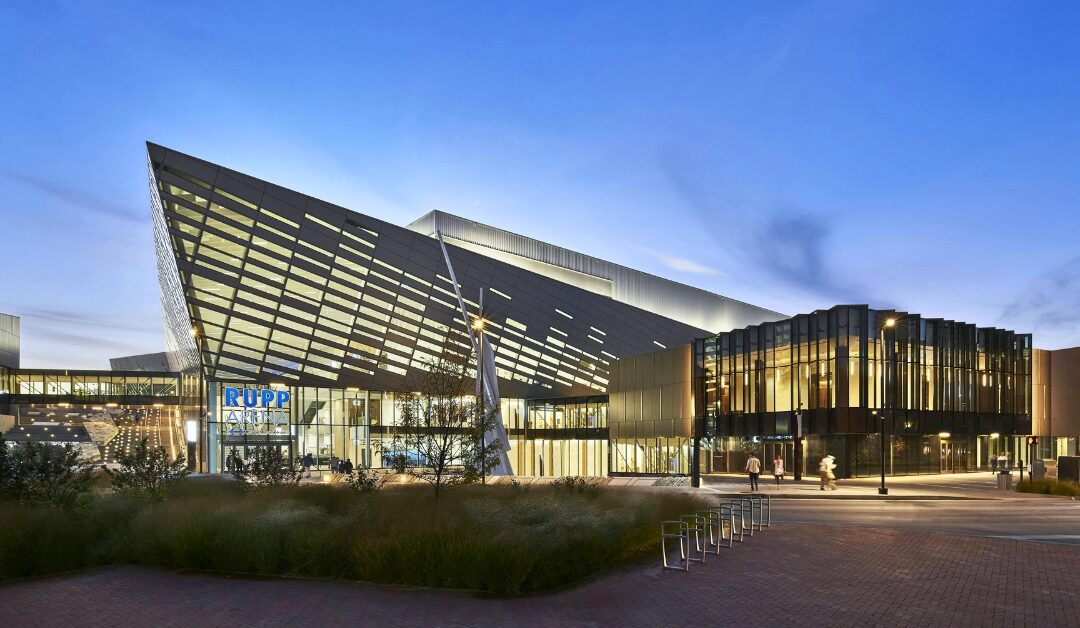
Central Bank Center an entertainment convention and sports complex downtown Lexington Kentucky stadium event

Lexington is often described as charming, but that undersells what it offers to meeting planners. This is a city that pairs regional identity with serious meeting infrastructure.

The recent expansion of the Central Bank Center brought more than 100,000 square feet of flexible event space into downtown, including a large exhibit hall and a ballroom designed for modern conferences. What makes Lexington particularly planner-friendly is how concentrated everything feels. More than 12 hotels within a 15-minute drive of the convention center, and nearly 9,000 rooms are available citywide.

Between sessions, attendees experience the Bluegrass region in authentic ways: horse farms, bourbon distilleries, locally owned restaurants, and an easygoing downtown energy that encourages networking without forcing it.

Lexington works especially well for mid-sized corporate meetings, association conferences, and leadership retreats that want sophistication without sprawl.


2. Fort Wayne, Indiana

Affordable, approachable, and built for logistics-forward planners

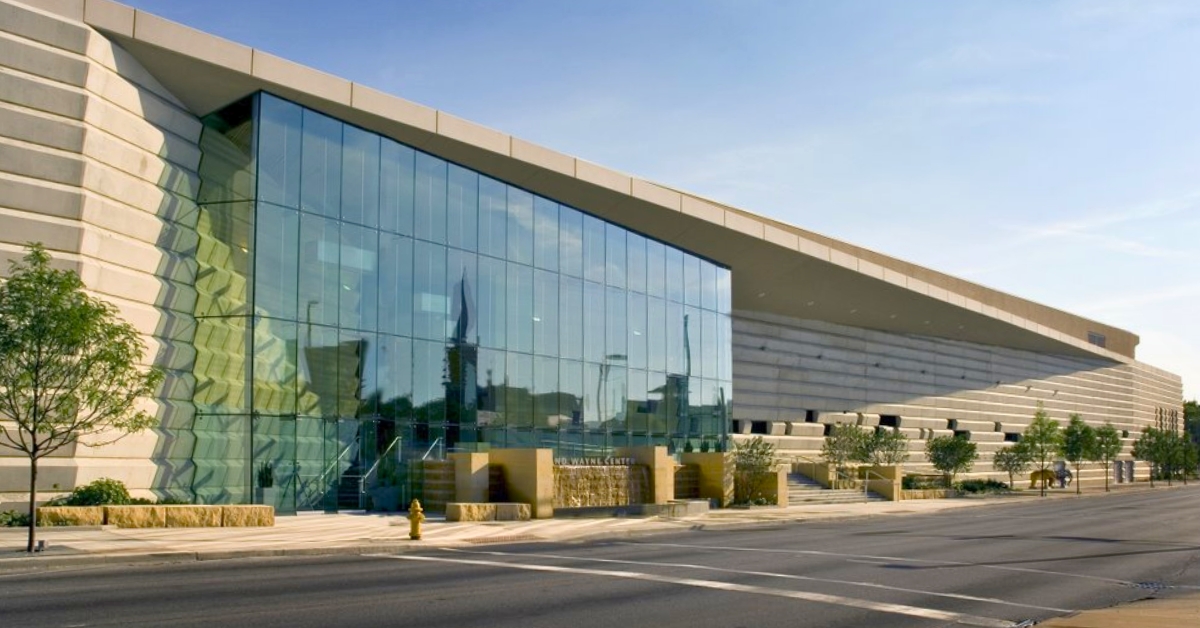
Grand Wayne Convention Center located in downtown Fort Wayne, Indiana

Fort Wayne has quietly reinvented itself, and planners are noticing.

The Grand Wayne Convention Center anchors the downtown core with more than 225,000 square feet of event space and is physically connected to multiple full-service hotels. That connectivity simplifies movement, signage, staffing, and attendee flow. For planners managing multiple sessions or exhibitors, those details matter.

What makes Fort Wayne appealing is not flash. It is efficiency. Hotel rates remain competitive, local vendors are experienced and responsive, and the downtown area is compact enough that a conference genuinely feels like the main event in town.

For organizations watching budgets closely while still wanting professional conference rooms and reliable service, Fort Wayne is a strong strategic option.


3. Chattanooga, Tennessee

Where meetings meet momentum and outdoor energy

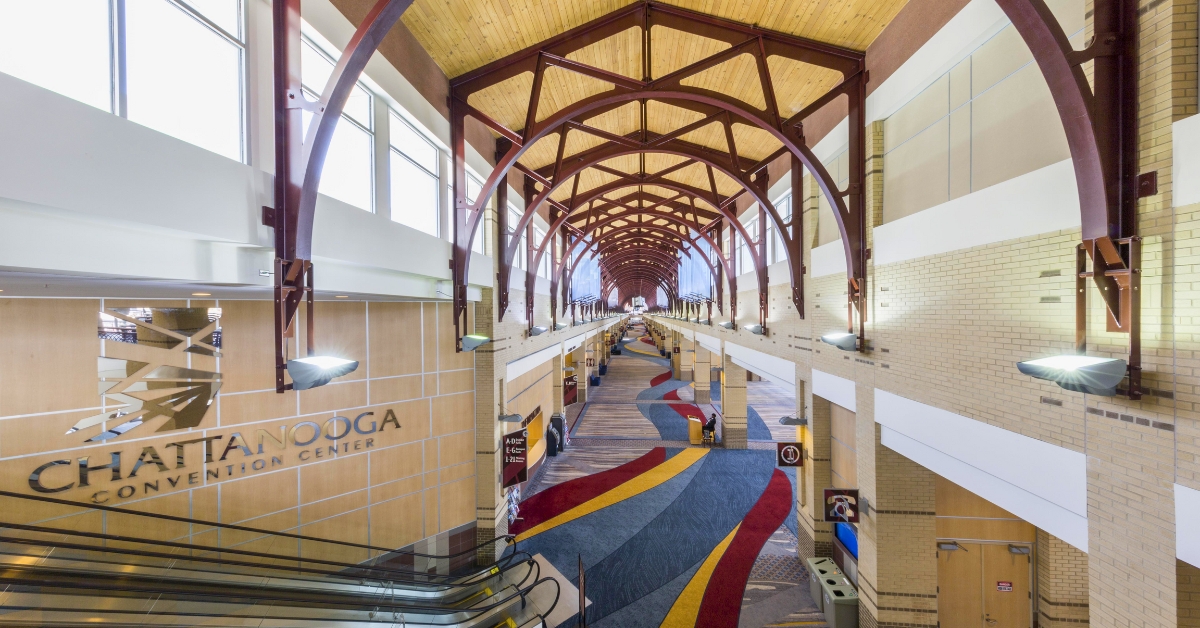
Chattanooga Convention Center located in Chattanooga Marriott Downtown

Chattanooga has spent the last decade investing in its identity as both a business-ready city and an outdoor destination. The result is a place that feels active without being overwhelming.

The Chattanooga Convention Center offers nearly 185,000 square feet of meeting space, surrounded by a growing inventory of downtown hotels. Unique off-site venues, from museums to riverfront spaces, allow planners to create events that feel layered rather than repetitive.

What sets Chattanooga apart is how easily attendees can shift gears. Meetings happen in the morning. River walks, mountain views, and creative dining happen naturally afterward. That balance makes it especially attractive for incentive programs, leadership summits, and company meetings focused on culture and connection.


4. Boise, Idaho

A walkable downtown and an outdoors-forward mindset

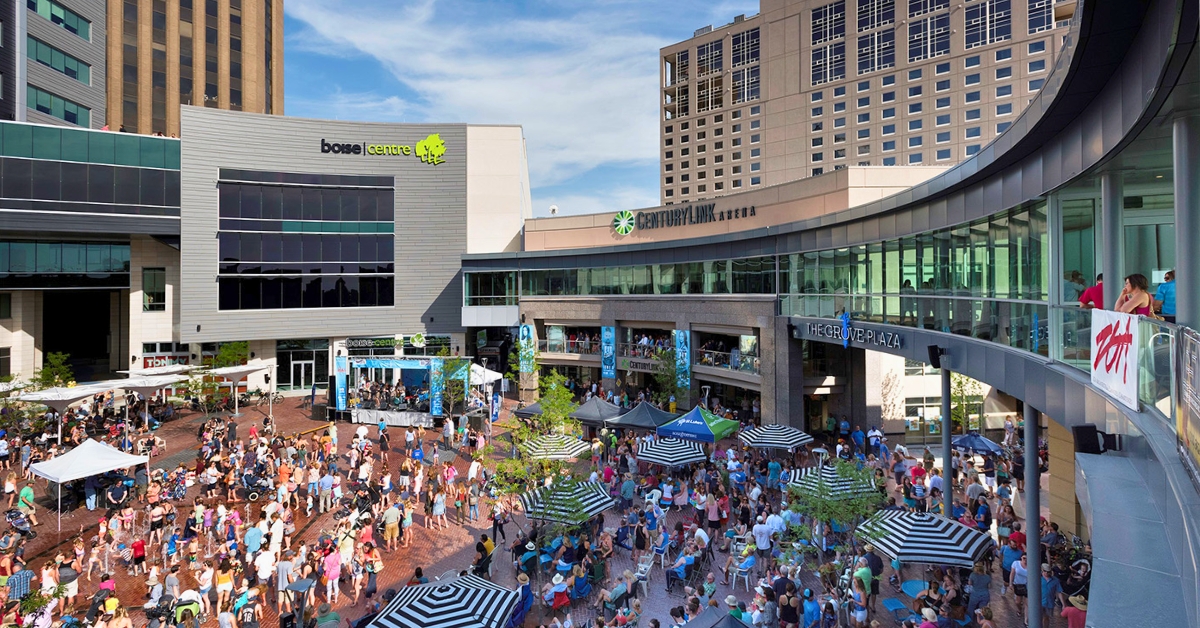
Boise Centre located in downtown Boise adjacent to The Grove Plaza

Boise surprises people in the best way.

The downtown core is compact, lively, and highly walkable, with Boise Centre sitting at the center of it all. While the convention facility is smaller than some others on this list, it still boasts 86,000 square feet of event space.  It is modern, well-run, and supported by more than 1,600 nearby hotel rooms.

Accessibility is better than many expect. Boise Airport is minutes from downtown and offers nonstop service to major hubs, making travel straightforward for national groups.

Boise works well for meetings that value proximity and experience over sheer scale. Attendees can step out of conference rooms and immediately feel connected to the city, whether that means local food, riverside paths, or nearby outdoor activities.


5. Asheville, North Carolina

Creative energy in a mountain setting

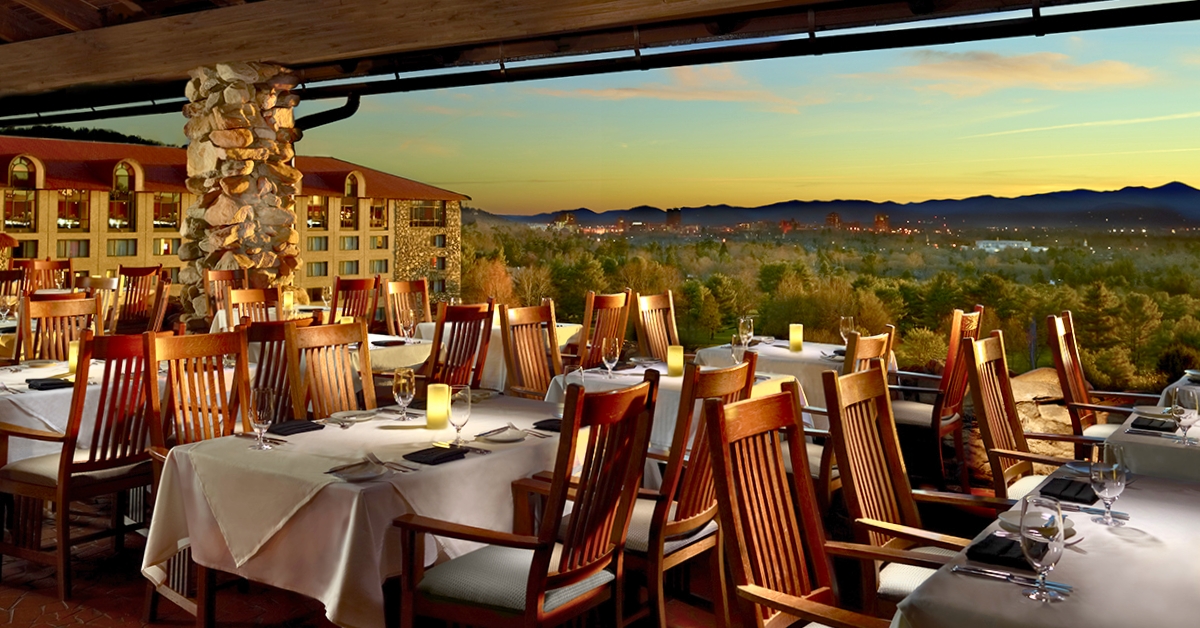
Omni Grove Park Inn located in Asheville NC at the foothills of the Blue Ridge Mountains

Asheville has long been known for its arts and food scene, but it also brings meaningful capacity for meetings and events.

With more than 9,000 hotel rooms in the broader area, Asheville can support a range of group sizes. Venues like the Harrah’s Cherokee Center and the Omni Grove Park Inn provide flexible conference rooms alongside memorable environments.

What planners appreciate most about Asheville is how easily the destination supports non-traditional agendas. Strategy sessions, wellness-focused programming, creative workshops, and retreats feel natural here. Attendees often describe events in Asheville as immersive rather than transactional.


6. Eugene, Oregon

A quieter West Coast alternative with strong values alignment

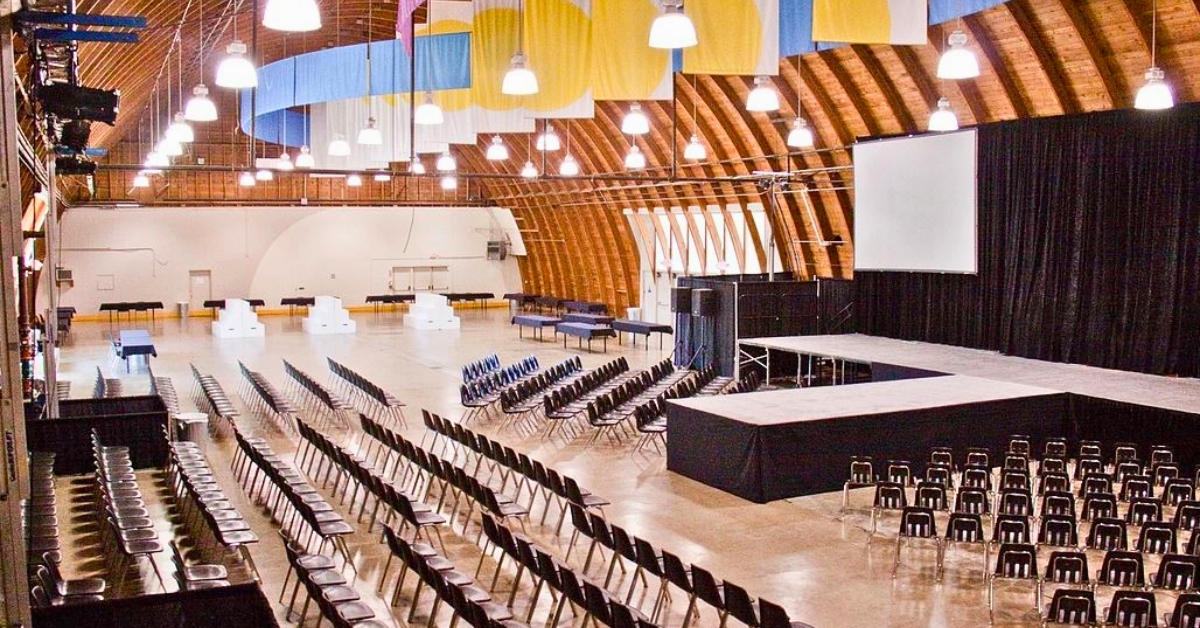
Lane Events Center Located in downtown Eugene and offers event spaces for meetings, conferences, trade shows and weddings

For planners seeking a West Coast destination that feels grounded and intentional, Eugene offers a compelling option.

Anchored by the University of Oregon and supported by venues like the Lane Events Center, Eugene handles mid-sized meetings comfortably. Hotel inventory continues to grow, particularly downtown and along the riverfront.

Eugene appeals to organizations that value sustainability, local sourcing, and community engagement. Wine country excursions, campus venues, and outdoor spaces create programming options that feel thoughtful rather than overproduced.


7. Oklahoma City, Oklahoma

A large-scale convention city still flying under the radar

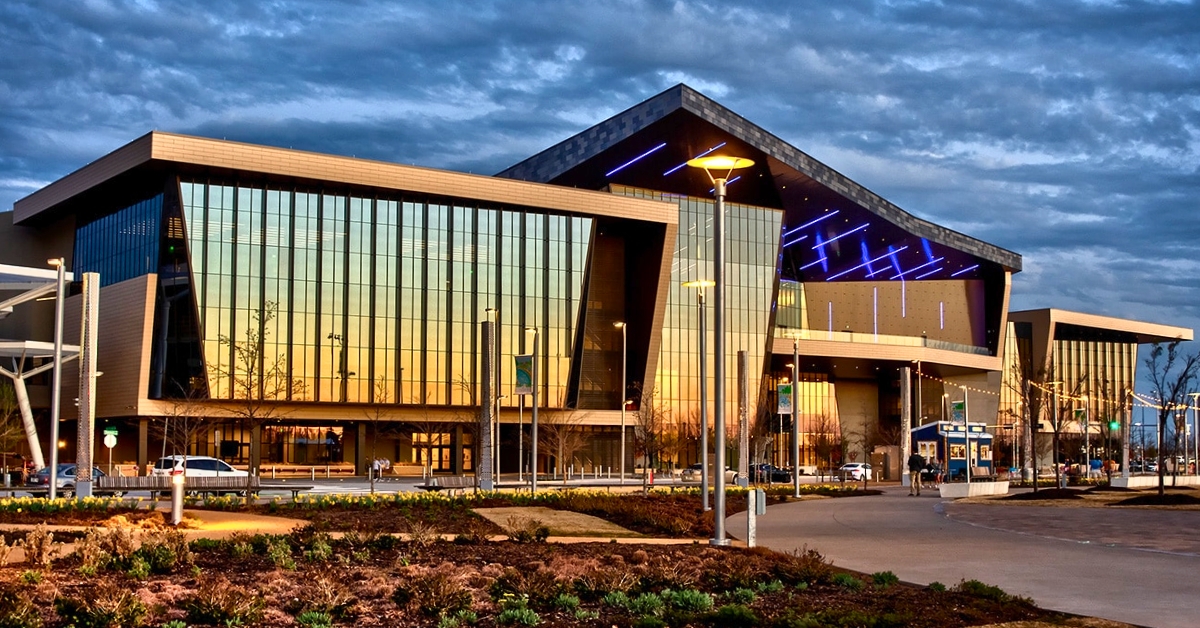
The Oklahoma City Convention Center hosts a variety of events including concerts and expos

Oklahoma City has dramatically invested in its meetings infrastructure.

The Oklahoma City Convention Center offers 500,000 square feet of modern space and is paired with a large headquarters hotel and a growing downtown hotel inventory. The city’s MAPS revitalization projects have reshaped the urban core into something vibrant, walkable, and engaging for attendees.

OKC works well for large corporate meetings, trade shows, and national conferences that want space, accessibility, and a destination that feels fresh to many attendees.


8. Erie, Pennsylvania

Intimate scale with waterfront appeal

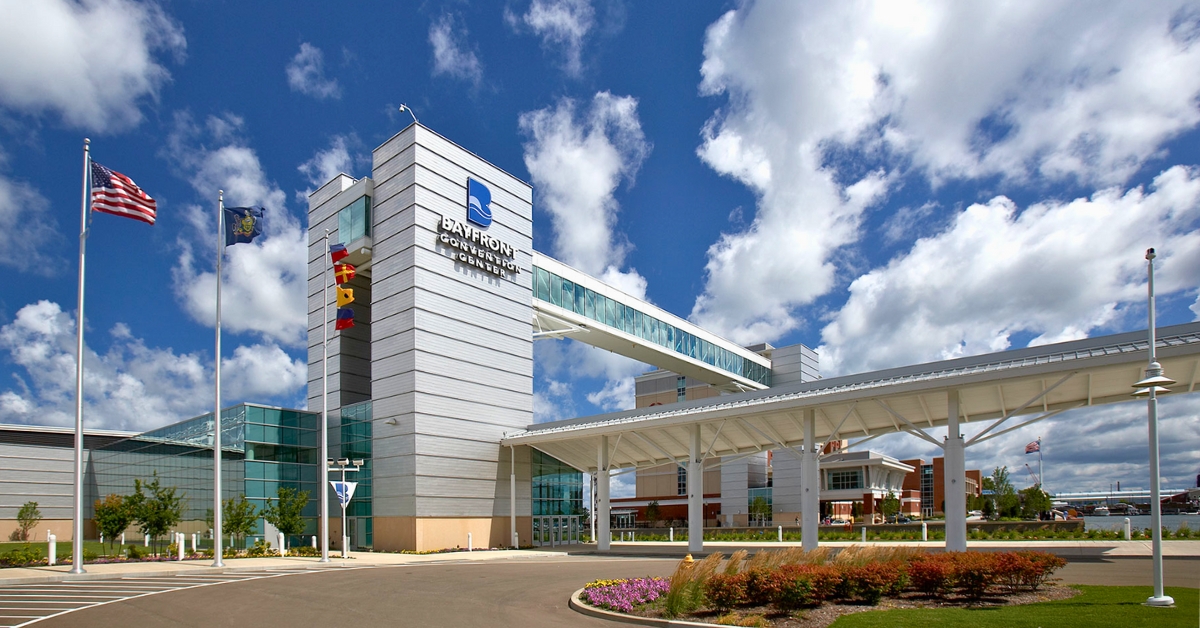
The Bayfront Convention Center a convention center complex located in Erie, Pennsylvania with views of Presque Isle Bay

Erie is a reminder that not every successful conference needs thousands of rooms and multiple districts.

The Bayfront Convention Center, located directly on Lake Erie, offers more than 120,000 square feet of meeting space and is attached to hotels, simplifying logistics. Erie’s size allows groups to feel genuinely welcomed, which often translates into strong local support and smoother execution.

For regional meetings, executive retreats, and specialized conferences, Erie provides a setting that feels personal, scenic, and refreshingly straightforward.


Why Emerging Destinations Belong on Your Shortlist

Choosing an out-of-the-box destination is not about rejecting major cities. It is about aligning the destination with the purpose of the event.

Emerging locations often offer:

    • Strong hotel booking and conference room infrastructure without unnecessary complexity
    • Easier navigation for attendees
    • Engaged local partners and CVBs
    • Opportunities for the event to feel intentional and memorable

Tools like Groups360 GroupSync make it easier than ever to evaluate these destinations side by side, comparing hotel inventory, meeting space, air access, and pricing without defaulting to the same handful of cities every time.

Sometimes, the most effective event strategy starts by simply asking a different question: What if we looked one step beyond the obvious?

Ready to explore destinations beyond the usual list? Create a free GroupSync account and search emerging locations alongside traditional markets, all in one place. Smarter destination decisions start with better visibility.


Save up to 60% off hotel room rates with GroupSync™

Book now & pay later.