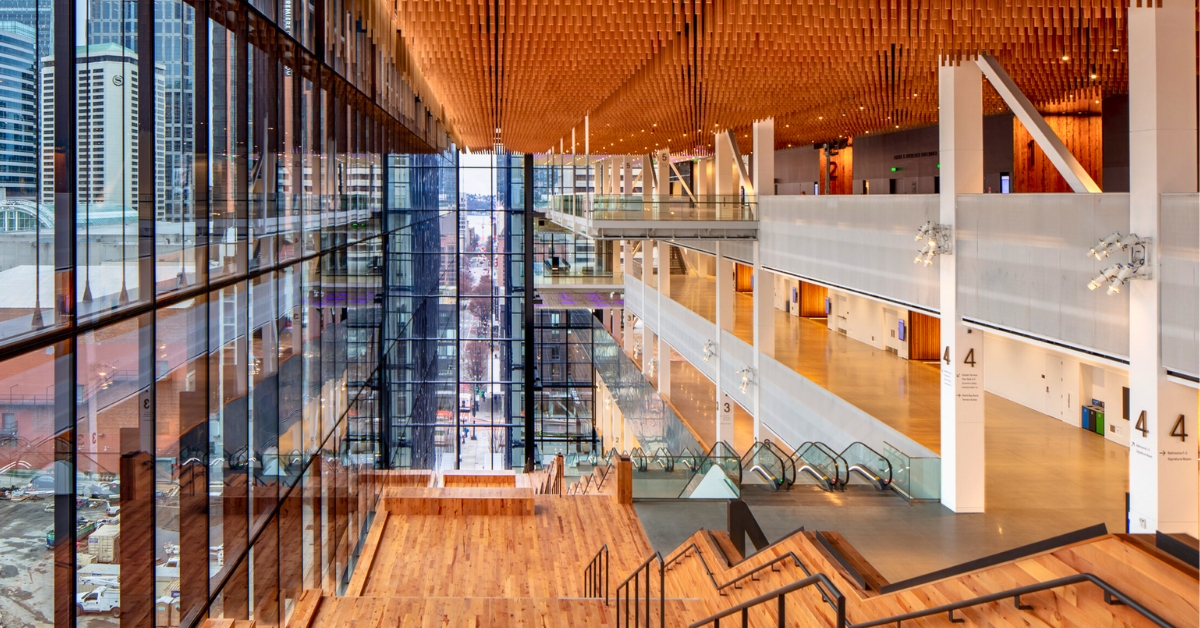
If sustainability is part of your event strategy, the venue you choose can either make your life significantly easier… or quietly make everything harder.
Some destinations require you to build sustainability from scratch. Others? They’ve already built the infrastructure, the policies, and the reporting systems so you can walk in and immediately start making impact.
Below are five U.S. convention cities that don’t just talk about sustainability. They operationalize it in ways that actually matter to planners.
And more importantly, they make it easier for you to tell a credible story to your stakeholders.
Atlanta, Georgia
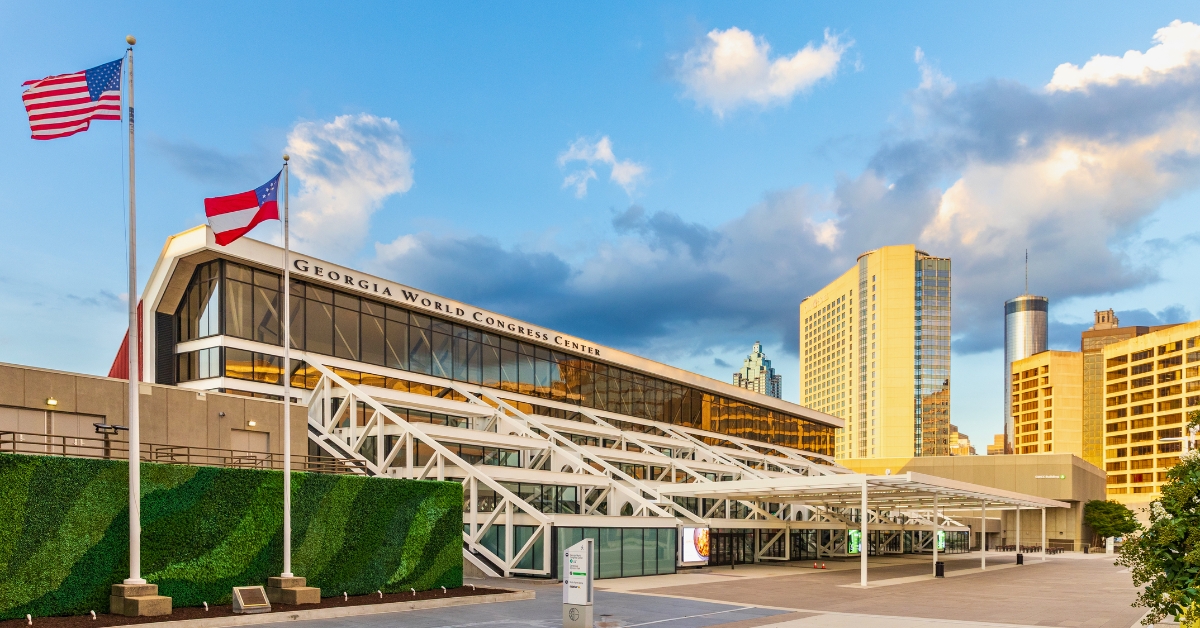
If your goal is to build a sustainability story that feels both credible and scalable, Atlanta is a strong contender.
The Georgia World Congress Center has quietly built one of the most robust partnership-driven sustainability ecosystems in the country. This is the kind of place where sustainability is not just about recycling bins. It is about what happens behind the scenes after your event ends.
You are not starting from zero here. You are stepping into an existing system that already includes food recovery partnerships, material reuse programs, and documented diversion efforts.
That matters when you are trying to prove impact, not just intention.
Why planners choose Atlanta for sustainable events:
- Over 4.9 million pounds of food waste diverted through ongoing programs
- Established donation partnerships with organizations like Goodr and local nonprofits
- LEED Gold certified operations across a 4.1M+ sq ft campus
- Built-in dock-level sorting and compost tracking systems
Planner takeaway:
Atlanta is ideal if your sustainability goal includes community impact and donation storytelling. It gives you the narrative layer that many ESG-focused organizations are now asking for, even beyond raw metrics.
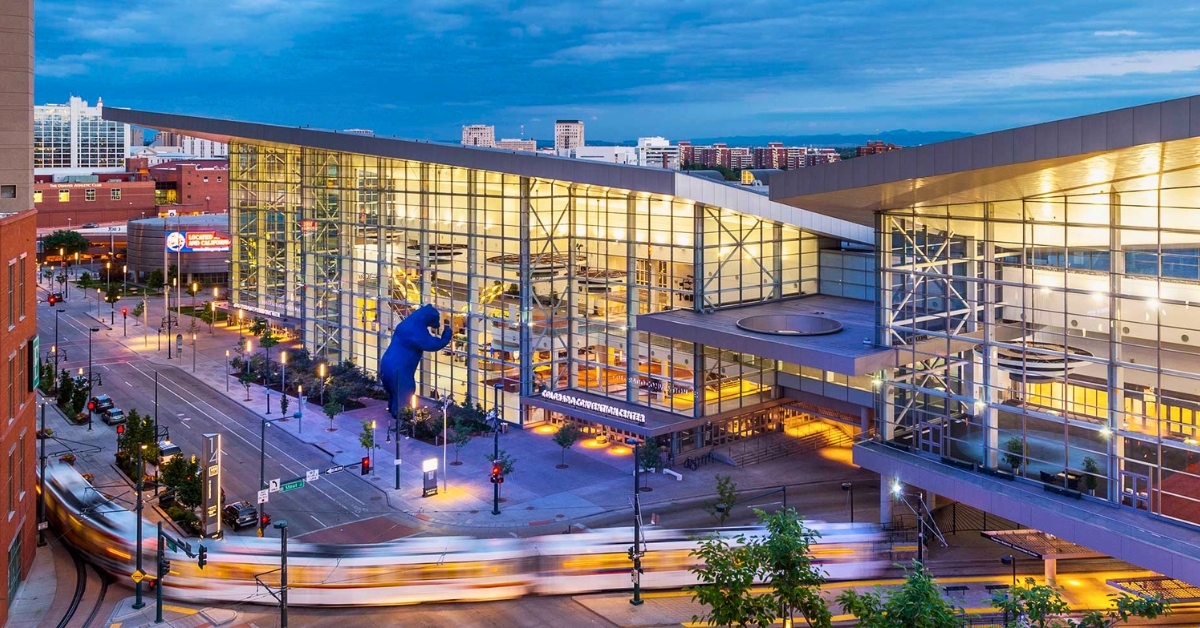
Denver feels very different. This is not a “vibes-first” sustainability destination. It is structured, measurable, and frankly… a little bit type-A in the best way.
If your stakeholders are asking for targets, benchmarks, and post-event reporting, Denver delivers.
Their sustainability program reads almost like an extension of a corporate ESG report. And for planners working with finance teams or sustainability officers, that alignment makes your job significantly easier.
Start here for their sustainability guide:
https://denverconvention.com/about-us/sustainability
Why planners choose Denver for sustainable events:
- Public sustainability goals like 50% waste diversion and carbon neutrality targets
- ISO 14001 environmental management system in place
- Post-event sustainability reporting available (with advance planning)
- Onsite composting, reclaim rooms, and e-waste tracking
Planner takeaway:
Denver is the right fit when your goal is data-backed sustainability. If you need to walk into a boardroom after your event and defend your impact with numbers, this is your city.
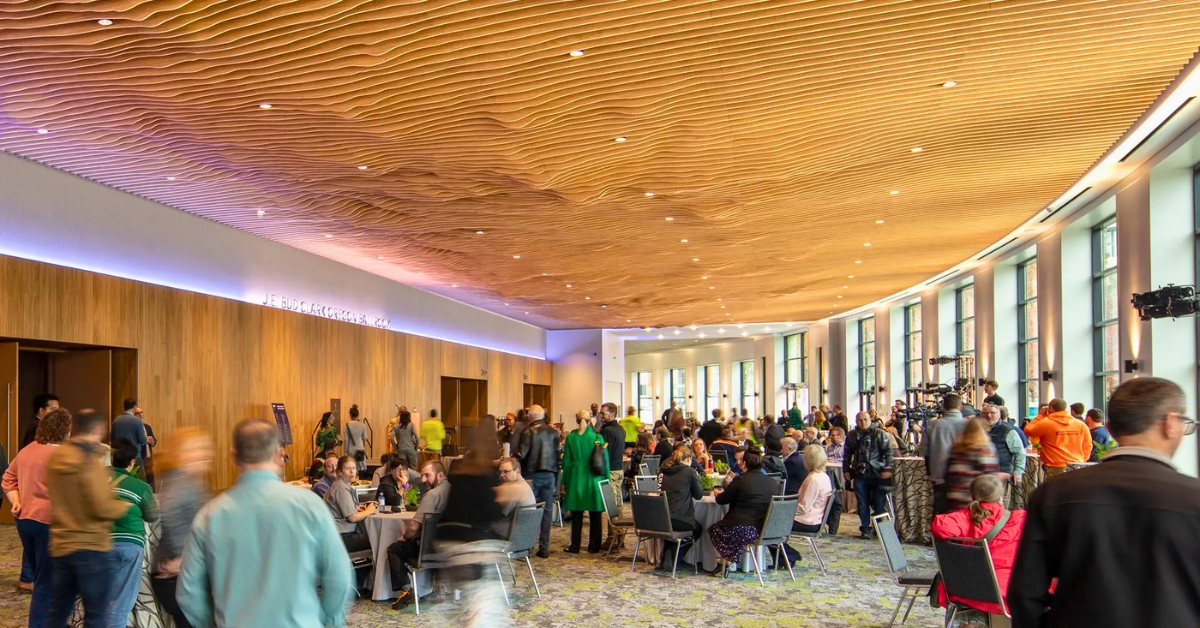
Portland does not make sustainability optional. And that is exactly why planners love it.
The Oregon Convention Center operates with a very clear philosophy: if you are hosting an event here, you are participating in a system that prioritizes waste reduction, local sourcing, and reuse.
It is structured. It is enforced. And yes, it requires a little more planning upfront.
But the payoff is significant.
You can review their full sustainable event guide here:
https://www.oregoncc.org/about/sustainability
Why planners choose Portland for sustainable events:
- 69% waste diversion rate with detailed reporting
- 87 tons of food composted and 32,000+ lbs donated annually
- LEED Platinum + Events Industry Council certification
- Strong rules around prohibited materials and exhibitor compliance
Planner takeaway:
Portland is ideal if your goal is high-performance sustainability outcomes. It does require more coordination with exhibitors and vendors, but it also delivers some of the strongest measurable results.
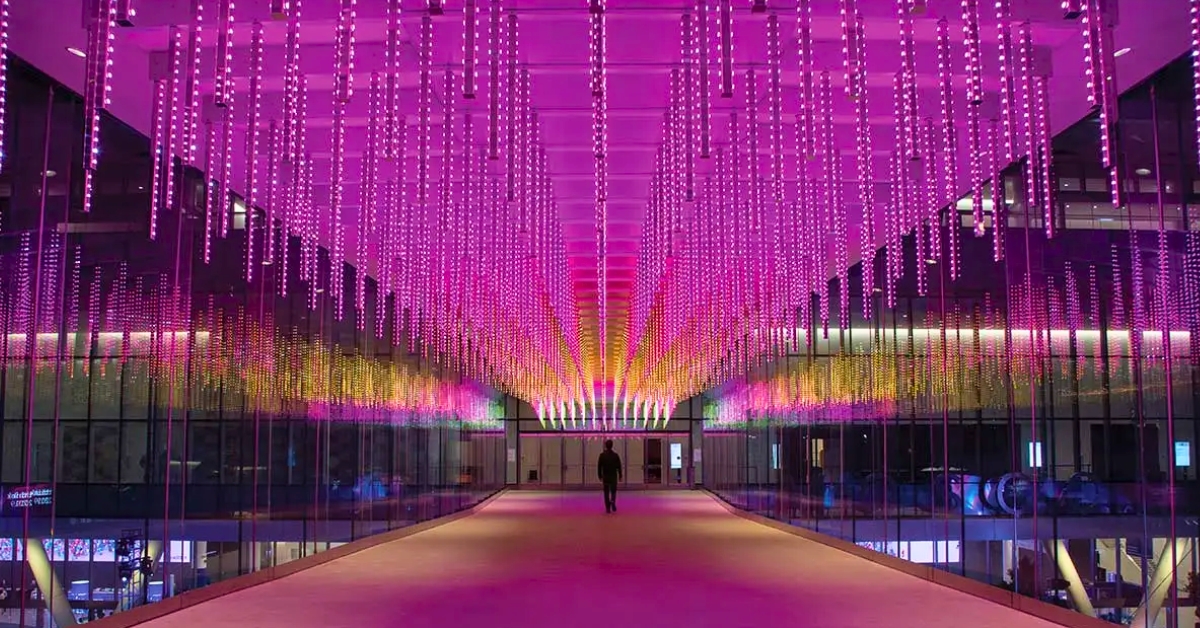
San Francisco is what happens when sustainability is not just a venue initiative. It is baked into the city itself.
At the Moscone Center, sustainability is not optional. It is enforced through local regulations, which means your event is automatically operating within a zero-waste framework from the moment it begins.
This can feel restrictive at first. But for planners, it removes a lot of the guesswork.
Explore their sustainability guidelines here: https://www.moscone.com/guidelines/environmental-sustainability
Why planners choose San Francisco for sustainable events:
- 75% waste diversion with millions of pounds diverted annually
- Mandatory composting and recycling systems
- Detailed post-event impact reporting, including donations
- Proven case studies like Oracle OpenWorld with measurable sustainability outcomes
Planner takeaway:
San Francisco works best when your goal is credibility and compliance. The city’s regulations do a lot of the heavy lifting for you, which can simplify execution while strengthening your sustainability claims.
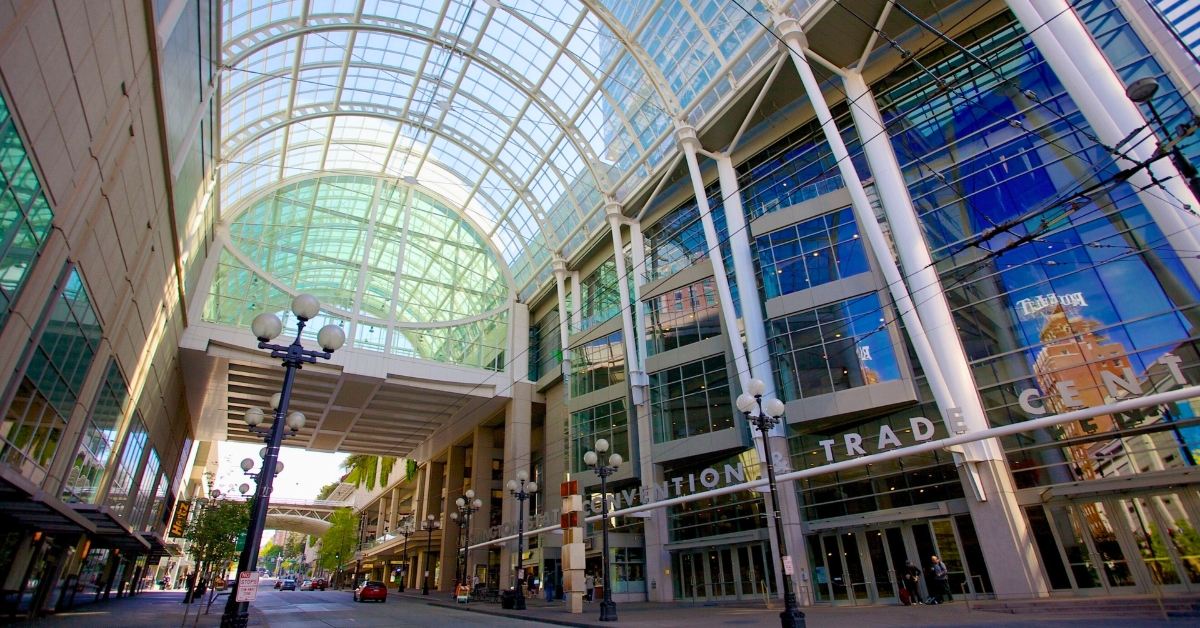
Seattle feels… seamless.
Where Portland is structured and San Francisco is regulated, Seattle is integrated. Sustainability is simply part of how the building operates, which makes it one of the easiest destinations to execute a sustainable event without overcomplicating the attendee experience.
You are not constantly reminding people what to do. The environment does that for you.
Learn more about their sustainability efforts here:
https://seattlecc.com/about-scc/our-impact/
Why planners choose Seattle for sustainable events:
- 77%+ waste diversion rate
- Food waste systems that reduce volume by up to 90%
- LEED Platinum-certified Summit building
- Strong local sourcing and donation infrastructure
Planner takeaway:
Seattle is a great fit when your goal is low-friction sustainability. It allows you to deliver meaningful impact without adding complexity for attendees or exhibitors.
The Bigger Strategy Behind These Choices
Here’s the real throughline across all five.
Sustainability is not just about doing the right thing. It is about choosing an environment that makes doing the right thing easier, more measurable, and more visible.
Because at the end of the day, planners are balancing three things:
- Operational feasibility
- Budget realities
- Stakeholder expectations
These destinations help you align all three.
And that is where sustainability stops being a “nice to have” and starts becoming a strategic advantage.
You’ve Chosen a Sustainable Destination. Now Build the Rest of Your Event Around It.
Locking in a convention center with strong sustainability practices is a powerful first step. But your impact doesn’t stop at the main venue.
Your hotel block, overflow properties, and nearby meeting spaces all play a role in the overall footprint of your event. Proximity matters. Transportation matters. And the ease of moving your attendees between spaces? That matters more than most planners want to admit.
This is where GroupSync by Groups360 becomes a strategic advantage.
Once you’ve selected your convention center, you can use GroupSync to:
- Search for hotels near your primary venue to reduce transportation needs and emissions
- Compare group hotel booking options based on proximity, availability, and meeting space
- Identify walkable hotel clusters that simplify logistics and improve attendee experience
- Explore conference rooms and secondary meeting spaces nearby for breakouts, VIP events, or executive sessions
- Filter and prioritize based on what matters most, whether that is distance, brand preference, or amenities
Instead of piecing together your hotel block across multiple hotel booking sites, you can build a cohesive, location-based strategy that supports both your sustainability goals and your operational flow.
Book Now, Pay Later
Start sourcing hotels near your event destination with a free GroupSync account.