The Ultimate Guide to Seattle for Group Travel

The Ultimate Guide to Seattle for Group Travel

Planning a group trip can be both exciting and overwhelming—especially when balancing logistics, budgets, and experiences everyone will love.

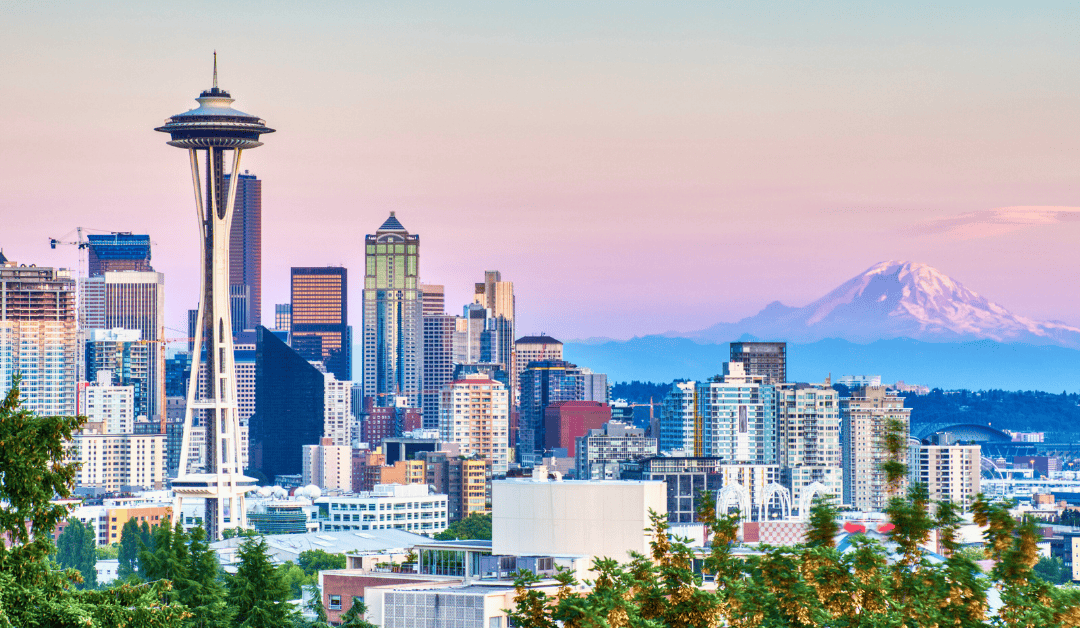
That’s where Seattle shines. Framed by the sparkling Puget Sound and the snow-capped Cascade Mountains, the Emerald City blends natural beauty with modern innovation, creating an ideal setting for meetings, conferences, and incentive travel alike.

From its compact, walkable downtown to its iconic attractions and sustainability-minded venues, Seattle offers all the essentials for a seamless and inspiring group experience.

Keep reading for everything you need to plan your next group trip or corporate event—from must-see attractions and group-friendly hotels to dining, venues, and transportation tips.


Why Seattle Is Perfect for Group Travel

Nicknamed the “Emerald City” for its lush greenery year-round, Seattle embodies a vibrant mix of culture, creativity, and hospitality that makes it a natural fit for group gatherings. The city’s character is shaped by both innovation and authenticity—home to global brands like Amazon, Microsoft, and Starbucks, yet deeply rooted in the artisan and outdoor-loving Pacific Northwest lifestyle.

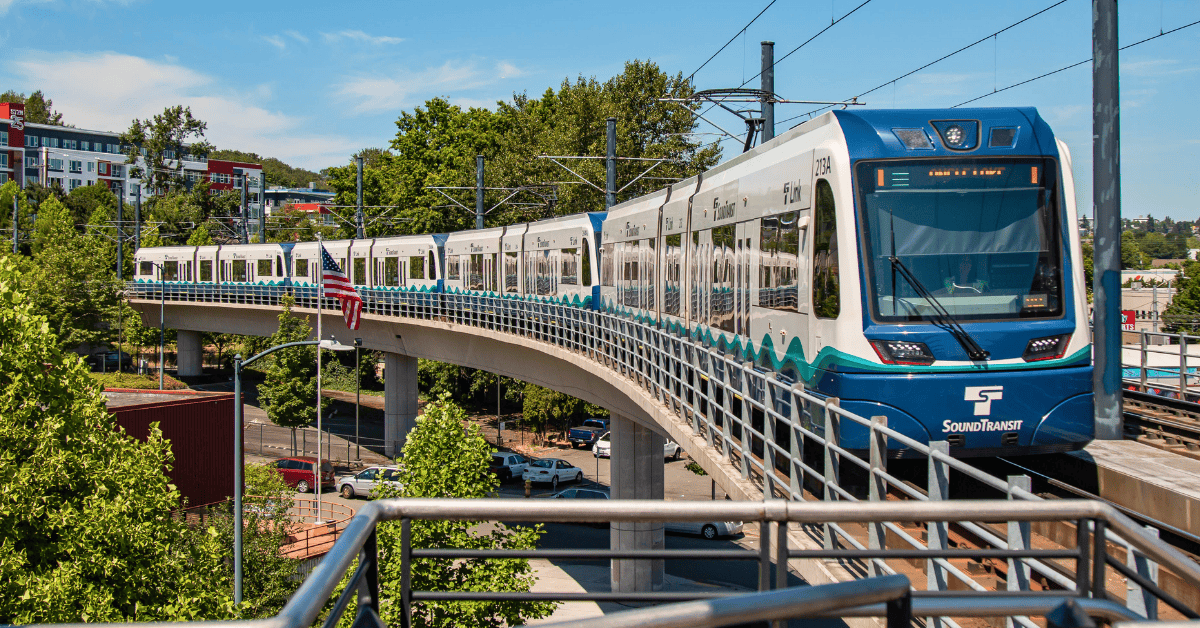
Seattle-Tacoma International Airport (SEA) serves as a major West Coast hub with direct domestic and international flights, and groups can reach downtown in just 30 minutes via light rail or private shuttle. Once there, they’ll find nearly 17,000 hotel rooms within blocks of major attractions and venues, including the Seattle Convention Center and Pike Place Market.

Compact, inclusive, and scenic, Seattle welcomes attendees from every background and interest. Its blend of urban excitement and proximity to nature makes it a destination where business and leisure easily converge.


Must-See Attractions for Group Travelers

Seattle’s iconic attractions make group itineraries easy to fill. Whether you’re sightseeing between sessions or planning full-day excursions, these top picks are sure to impress:
 

SPACE NEEDLE & SEATTLE CENTER

Seattle’s most recognizable landmark offers 360° city and mountain views from 605 feet up. Combine it with nearby favorites like Chihuly Garden and Glass or the Museum of Pop Culture for a full afternoon of group exploration.
 

PIKE PLACE MARKET

This lively market is perfect for teams to wander, sample, and shop. From flying fish to artisan food stalls and the original Starbucks, it’s an essential stop for groups of any size.


Pike Place Market
Pike Place Market


SEATTLE WATERFRONT & GREAT WHEEL

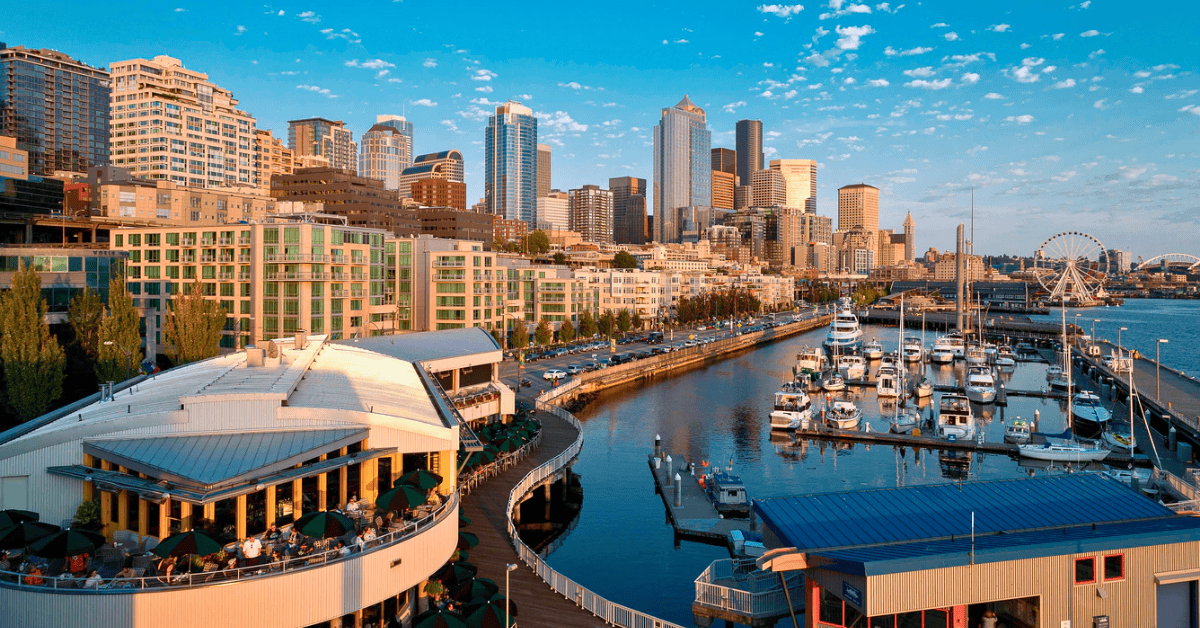
Groups can stroll the waterfront piers, ride the 175-foot Great Wheel, or enjoy a harbor cruise with skyline views. Argosy Cruises offers narrated tours ideal for large groups.

PIONEER SQUARE & UNDERGROUND TOUR

A guided underground tour reveals Seattle’s quirky history beneath its modern streets—an engaging group activity that’s part history lesson, part adventure.
 

MUSEUM OF FLIGHT

Located near Boeing Field, this expansive aviation museum offers guided tours, group rates, and event space among historic aircraft—a must for STEM or aerospace-themed trips.

Group-Friendly Hotels and Accommodations

Seattle’s hotel scene has something for every style of gathering—from convention-scale properties to boutique waterfront retreats. Here are ten of the city’s best options for group stays, chosen for their meeting amenities, location, and hospitality.

HYATT REGENCY SEATTLE (DOWNTOWN)

Seattle’s largest hotel feels anything but impersonal thanks to warm design and intuitive service that make large-scale meetings run seamlessly. Its modern high-rise layout and expansive pre-function areas give groups plenty of breathing room, while sustainable practices and stylish dining venues reflect the city’s eco-minded spirit. Just steps from the Seattle Convention Center, this property sets the standard for big events done right.

    • Total Guest Rooms: 1,260
    • Meeting & Event Space: 100,000+ sq ft

Why Groups Love It: LEED Gold certified, vast meeting capacity, built for large conventions.


Hyatt Regency Seattle


SHERATON GRAND SEATTLE (DOWNTOWN)

Freshly renovated and connected directly to the Seattle Convention Center, the Sheraton Grand is the city’s quintessential conference hotel. High ceilings, flexible event floors, and modern guest rooms make it ideal for everything from industry expos to corporate summits. The central location and attentive group services ensure even the largest gatherings feel polished and personal.

    • Total Guest Rooms: 1,236
    • Meeting & Event Space: 75,000+ sq ft

Why Groups Love It: Seamless convention access and trusted full-service experience.


Sheraton Grand Seattle
 

THE WESTIN SEATTLE (DOWNTOWN)

    • Known for its twin cylindrical towers that define the city skyline, The Westin blends timeless style with modern amenities. Its sweeping views, calming interiors, and wellness-forward approach (think: signature Heavenly Beds and in-room spa options) make it a restorative base for groups. With quick monorail access to Seattle Center and large-scale ballrooms, it’s equally suited for conferences and incentive stays.

        • Total Guest Rooms: 891
        • Meeting & Event Space: 65,000+ sq ft

      Why Groups Love It: Signature comfort, skyline views, and reliable meeting facilities.


    The Westin Seattle
    The Westin Seattle
     

    FAIRMONT OLYMPIC HOTEL (DOWNTOWN)

    A Seattle icon since 1924, the Fairmont Olympic exudes classic Pacific Northwest luxury with marble floors, chandeliers, and impeccable service. Recent renovations blend heritage charm with contemporary flair, making it ideal for executive retreats, galas, or VIP programs. The property’s grand ballrooms and on-site spa provide an elegant escape right in the heart of downtown.

      • Total Guest Rooms: 450
      • Meeting & Event Space: 20,000+ sq ft

    Why Groups Love It: Historic grandeur and refined hospitality for high-profile events.


    Fairmont Olympic Hotel
    Fairmont Olympic Hotel
     

    GRAND HYATT SEATTLE & HYATT AT OLIVE 8 (DOWNTOWN)

    These sister properties work hand-in-hand to accommodate groups of any size with flexibility and style. The Grand Hyatt offers upscale sophistication with large ballrooms and sweeping city views, while Olive 8 delivers an eco-chic boutique vibe and standout farm-to-table dining. Together, they’re a perfect pairing for multi-tier programs or conferences with diverse attendee needs.

      • Total Guest Rooms: 425 + 346
      • Meeting & Event Space: Multiple ballrooms and breakout rooms

    Why Groups Love It: Connected hotels allow seamless coordination for large or split groups.


    Grand Hyatt Seattle and Hyatt at Olive 8
    Grand Hyatt Seattle and Hyatt at Olive 8


    EMBASSY SUITES BY HILTON SEATTLE DOWNTOWN PIONEER SQUARE

    Located beside historic King Street Station and Seattle’s stadium district, this all-suites property gives groups room to spread out. Each suite includes a living area and kitchenette, ideal for extended stays or shared accommodations. Add in complimentary breakfast, evening receptions, and walkability to Lumen Field, and it’s a stress-free favorite for sports teams and event crews.

      • Total Guest Rooms: 282
      • Meeting & Event Space: almost 15,000 sq ft

    Why Groups Love It: Spacious suites and amenities perfect for longer or event-focused stays.


    Embassy Suites by Hilton Pioneer Square
    Embassy Suites by Hilton Pioneer Square
     

    W SEATTLE (DOWNTOWN)

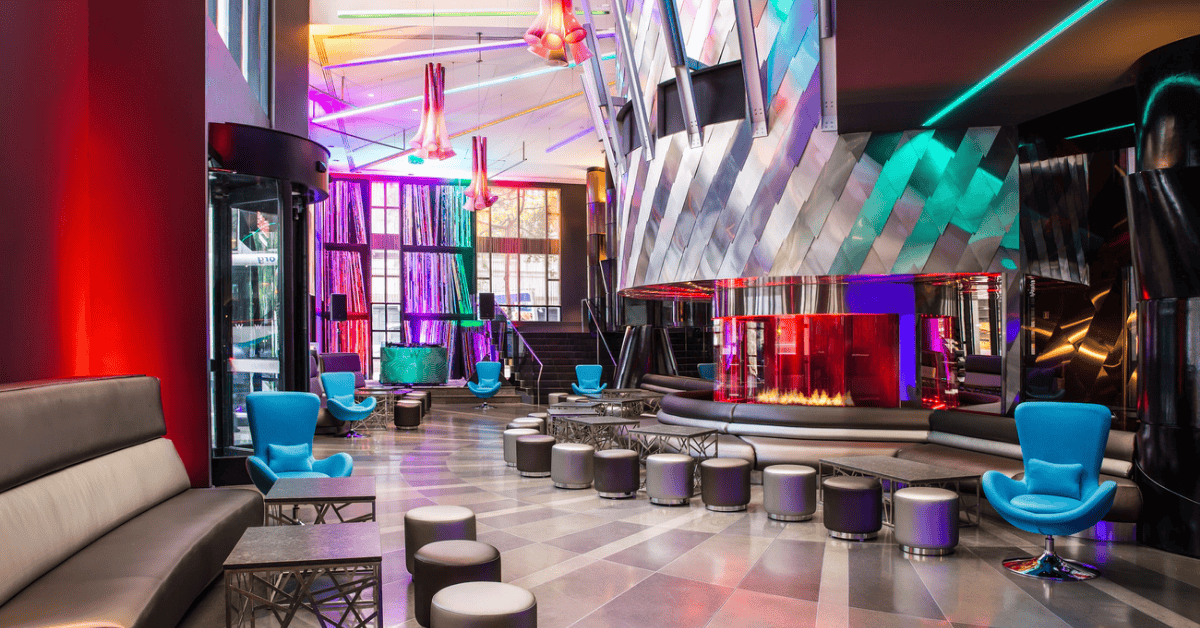
    The W brings Seattle’s creative energy indoors with bold design, moody lighting, and a lively social scene. It’s a hit with tech, entertainment, and marketing groups that prefer boutique style over boardroom formality. Between its DJ nights, craft cocktails, and collaborative lounges, this is the place where meetings blend effortlessly into networking.

      • Total Guest Rooms: 424
      • Meeting & Event Space: 10,000+ sq ft

    Why Groups Love It: Sleek, trend-forward atmosphere with personalized event support.


    W Seattle
    W Seattle
     

    SEATTLE MARRIOTT WATERFRONT (WATERFRONT DOWNTOWN)

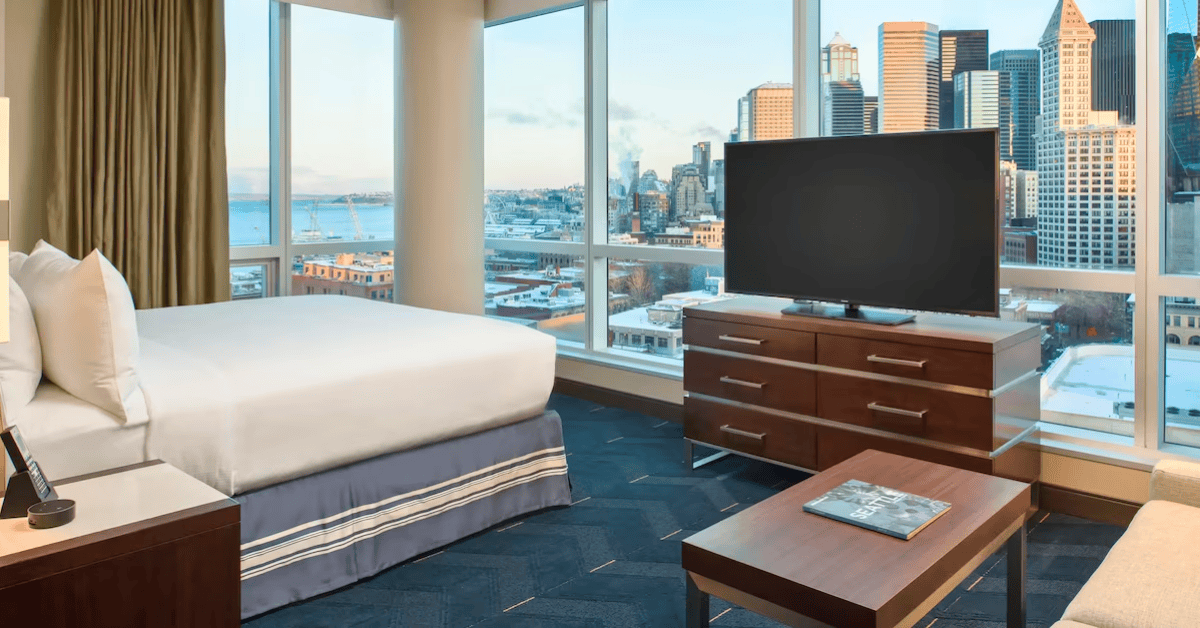
    Set along Pier 66, this property pairs coastal relaxation with meeting efficiency. Floor-to-ceiling windows frame views of Elliott Bay, while patios and ballrooms are made for sunset receptions. Groups love being steps from Bell Harbor International Conference Center and Pike Place Market—ideal for mixing business with Seattle’s maritime charm.

      • Total Guest Rooms: 369
      • Meeting & Event Space: 18,000+ sq ft

    Why Groups Love It: Waterfront views and prime proximity to conference facilities.


    Seattle Marriott Waterfront
    Seattle Marriott Waterfront
     

    THE EDGEWATER HOTEL (WATERFRONT BELLTOWN)

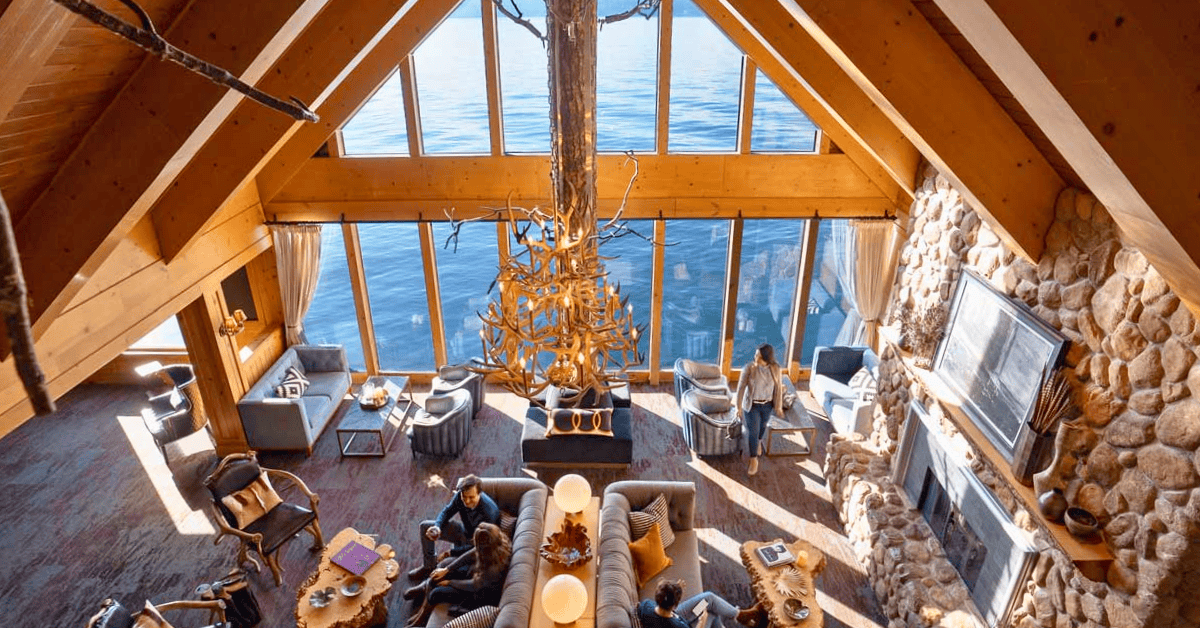
    Seattle’s only over-water hotel offers the quintessential Pacific Northwest experience—cozy fireplaces, lodge-style décor, and the sound of waves beneath your feet. Once host to The Beatles, Pearl Jam, and the Foo Fighters it’s rich with personality and perfect for intimate retreats or executive gatherings. Every event here feels uniquely “Seattle,” from the rustic ballrooms to the panoramic bay views, and as a guest they will even loan you a complimentary rental guitar, sheet music and record player.

      • Total Guest Rooms: 223
      • Meeting & Event Space: 11,000 sq ft

    Why Groups Love It: Iconic waterfront setting with boutique intimacy and character.


    The Edgewater Hotel
    The Edgewater Hotel
     

    HILTON MOTIF SEATTLE (HILTON CURIO COLLECTION)

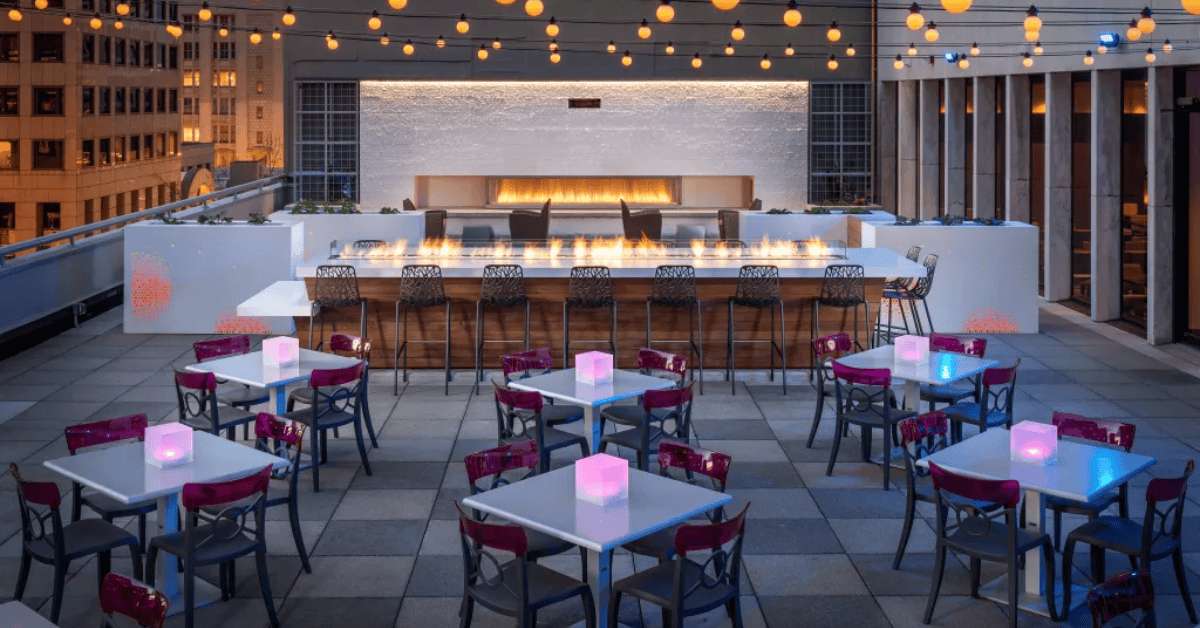
    A blend of modern design and Northwest flair, Motif radiates urban energy from its central perch on Fifth Avenue. Its rooftop bar, Frolik Kitchen + Cocktails, doubles as one of downtown’s most sought-after event spaces for private receptions. For mid-sized corporate groups or incentive stays, it strikes a perfect balance between stylish and approachable.

      • Total Guest Rooms: 319
      • Meeting & Event Space: 28,000+ sq feet with Multiple rooms with skyline views

    Why Groups Love It: Vibrant rooftop experiences and creative, flexible meeting spaces.


    Motif Seattle
    Motif Seattle


    Booking Tips:

    • Book early—spring and summer fill quickly
    • Request group blocks or shoulder dates for better rates
    • Consider transit proximity if staying outside downtown
    • Ask about hospitality suites, parking, and free breakfast offers


    Dining and Nightlife

    Seattle’s dining scene is defined by its connection to land and sea—a city where chefs build menus around what’s pulled from Puget Sound that morning or picked from nearby farms that afternoon. The result is a culinary culture that feels both elevated and effortless: wild salmon grilled over alder wood, briny local oysters on the half shell, and coffee roasted steps from where it’s poured. For groups, this means meals that are not just shared but experienced—whether over a long table of Northwest seafood or a global tasting flight inspired by Seattle’s international roots.

    Top Group Dining Picks

    WILD GINGER (DOWNTOWN)

    A Seattle institution known for its vibrant Southeast Asian flavors served family-style. Ideal for corporate dinners, it balances polished service with a lively, shareable menu that keeps conversation flowing.
     

    THE PINK DOOR (PIKE PLACE MARKET)

    Part restaurant, part cabaret, The Pink Door pairs handmade pasta and local seafood with live entertainment and bay views—perfect for a night that feels special but not stuffy.
     

    PURPLE CAFÉ & WINE BAR (DOWNTOWN)

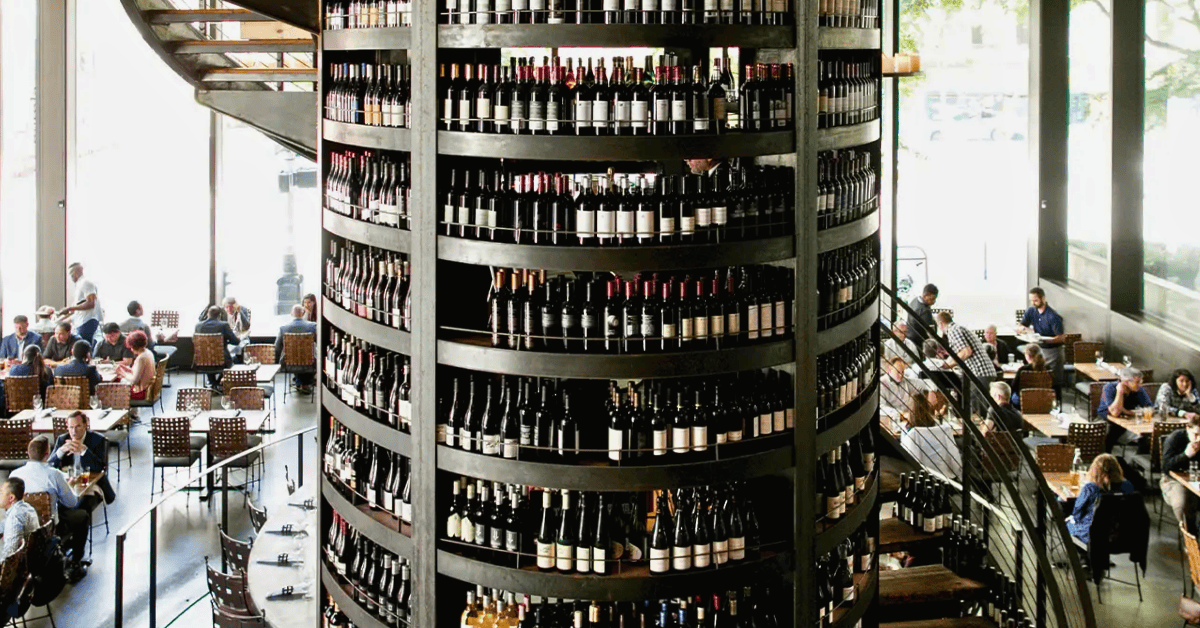
    A multi-level showpiece with soaring ceilings and an impressive wine tower, Purple offers approachable Northwest fare and private spaces that work beautifully for networking dinners.
     

    Purple Café and Wine Bar
    Purple Café and Wine Bar
     

    CUTTERS CRABHOUSE (WATERFRONT)

    Overlooking Elliott Bay, this longtime favorite serves Pacific classics like Dungeness crab and wild salmon in a bright, relaxed setting that’s built for large tables and celebration toasts.


    IVAR’S SALMON HOUSE (NORTH LAKE UNION)

    A true Seattle original designed like a Native American longhouse, Ivar’s specializes in alder-grilled salmon and hearty chowder. It’s a warm, rustic choice for groups seeking authentic local flavor with a side of lake views.


    Nightlife & Evening Entertainment

    Seattle’s nightlife has a rhythm all its own—creative, easygoing, and deeply tied to its music and arts legacy. From intimate jazz clubs and waterfront lounges to late-night comedy and neighborhood breweries, evenings in the Emerald City invite groups to unwind and connect in authentic, only-in-Seattle ways.

    Live Music Venues

    Seattle’s live music heritage still pulses through the city. The Showbox near Pike Place Market is a historic concert hall that’s hosted everyone from Duke Ellington to Pearl Jam, perfect for buying out a balcony or reserving a group section. On Capitol Hill, Neumos keeps the city’s indie scene alive with a rotating lineup of touring acts, while Dimitriou’s Jazz Alley downtown offers dinner-and-show sophistication that’s ideal for client entertainment or team celebrations.


    Theater & Performing Arts

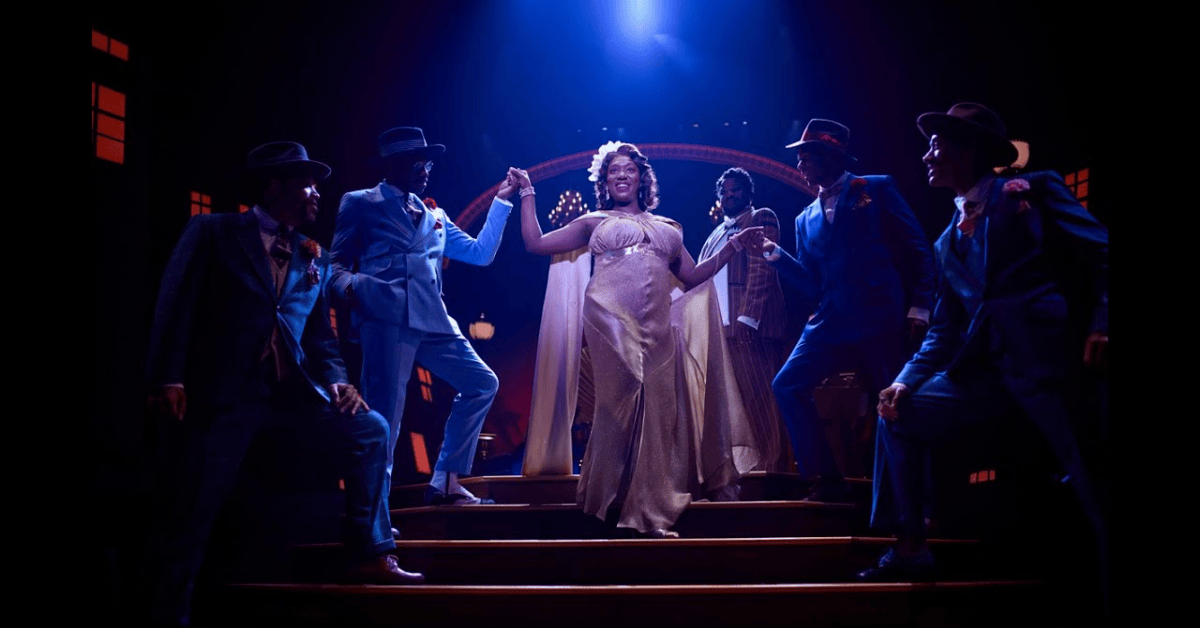
    Groups who prefer a curtain call over a cocktail will find Seattle’s theater district thriving. The 5th Avenue Theatre and Paramount Theatre deliver Broadway-quality productions in ornate historic venues, with convenient group ticketing. For something smaller and more local, Seattle Rep offers compelling performances that reflect the region’s creativity and progressive spirit.


    5th Avenue Theatre After Midnight
    5th Avenue Theatre After Midnight

    Comedy Clubs

    Seattle’s sense of humor runs sharp and offbeat. Unexpected Productions at Pike Place Market is the city’s longest-running improv troupe, offering interactive shows that break the ice fast. For a casual night with laughs and live music, The Crocodile’s Here-After Lounge combines both in a relaxed, group-friendly format. 

    Craft Breweries & Cider Houses

    Beer culture here leans communal, not crowded. Fremont Brewing’s Urban Beer Garden features spacious layouts and long tables made for networking or casual post-meeting hangs. For something different, A/stir formerly Capitol Cider specializes in local cider flights and a menu that caters beautifully to gluten-free or plant-based groups. 

    Cocktail Lounges & Rooftop Views

    If your evening calls for skyline views, head to Frolik Kitchen + Cocktails atop Motif Seattle—its firepits and outdoor seating make it one of downtown’s most popular group hangouts. The Nest at Thompson Seattle offers panoramic Elliott Bay vistas perfect for receptions, while Bathtub Gin & Co. in Belltown delivers speakeasy charm for smaller VIP gatherings. 

    Unique Group Experiences

    For something playful, Flatstick Pub turns mini-golf into team-building, and SPIN Seattle lets groups rally over cocktails and ping-pong tournaments. The Big Picture, a boutique cinema in Belltown, can be reserved for private screenings or themed movie nights. And if your group’s ready to sing instead of talk strategy, private karaoke lounges across Capitol Hill promise a memorable finale to any event day. 

    Art & Culture by Night

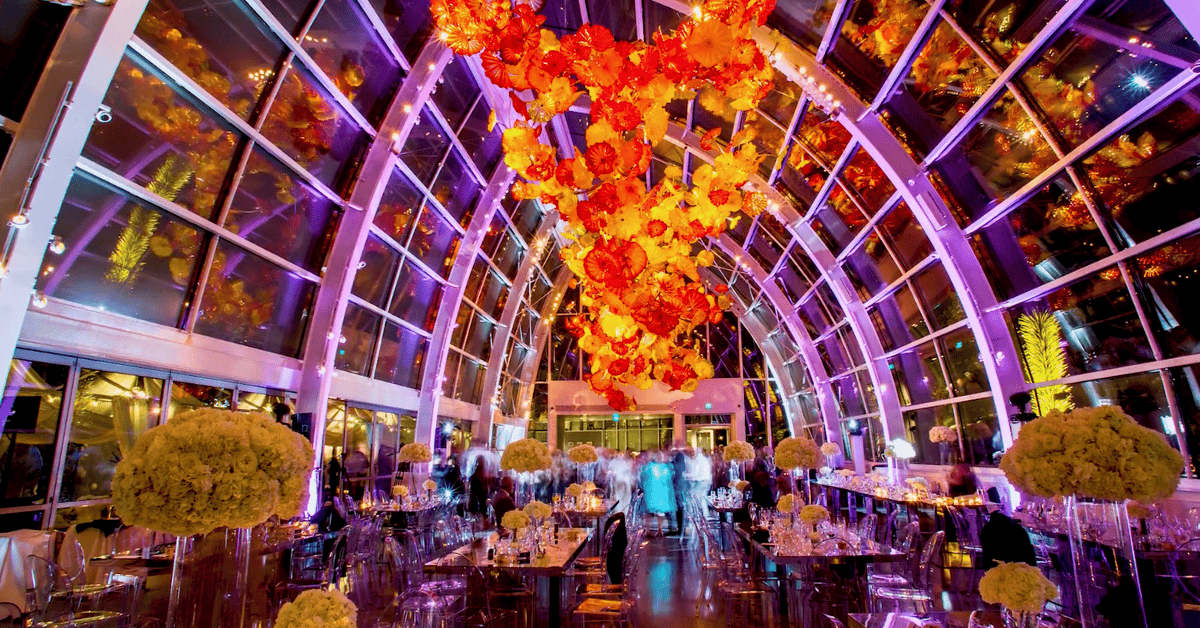
    Evening creativity thrives in Seattle. Seasonal SAM Remix events at the Seattle Art Museum blend art, DJs, and local food pop-ups. For something unforgettable, Chihuly Garden and Glass hosts after-hours tours and receptions among glowing glass sculptures—a dazzling setting for celebrating your group’s success.

    Event Venues

    Chihuly Garden

    Chihuly Garden Event Venue


    Beyond hotels, Seattle offers unique venues that elevate any group gathering:

    Tip: For outdoor events, explore Gas Works Park, Olympic Sculpture Park, or a private Argosy dinner cruise. Always confirm backup rain plans—Seattle’s greenery comes with occasional drizzle.


    Transportation Tips 

    Link Light Rail

    Link Light Rail


    Getting around Seattle is simple for groups.

      • Link Light Rail: Connects Sea-Tac Airport to downtown in 30 minutes for ~$3.
      • Walkable Core: Most major hotels, attractions, and restaurants are within a mile.
      • Ride-Share and Charter Buses: Ideal for large groups; book early during events.
      • Public Transit: ORCA cards and mobile tickets simplify group travel.
      • Accessibility: All light rail, buses, and ferries are wheelchair accessible.


    Outdoor and Adventure Activities

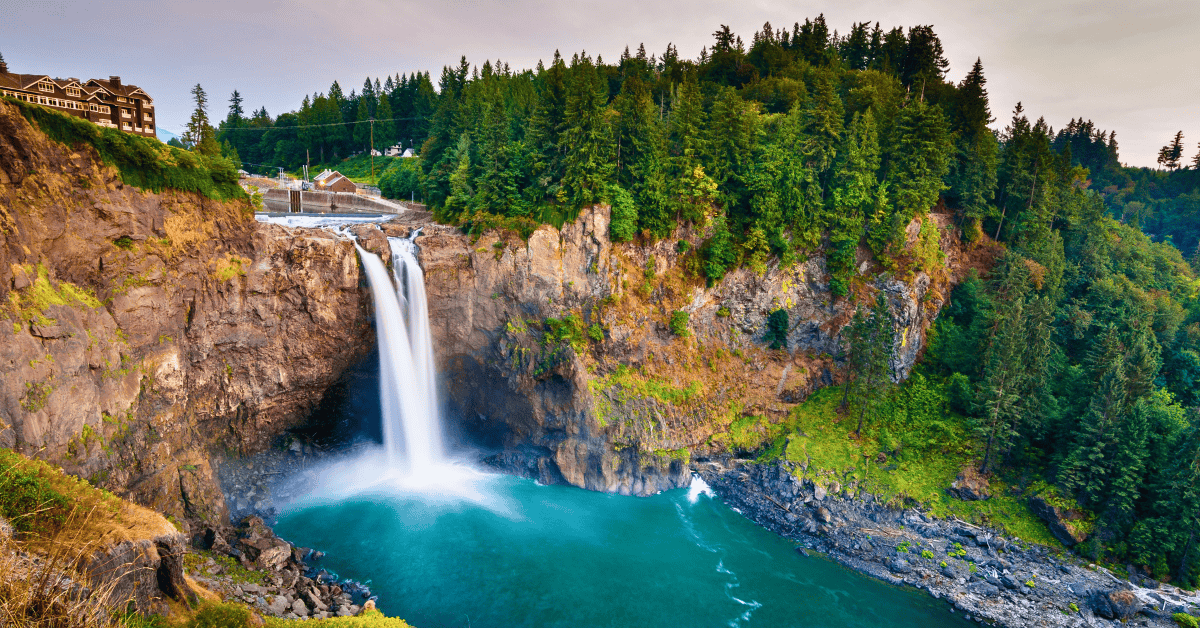
    Snoqualmie Falls

    Snoqualmie Falls


    Seattle’s natural beauty offers group adventures at every turn:


    Shopping and Local Markets

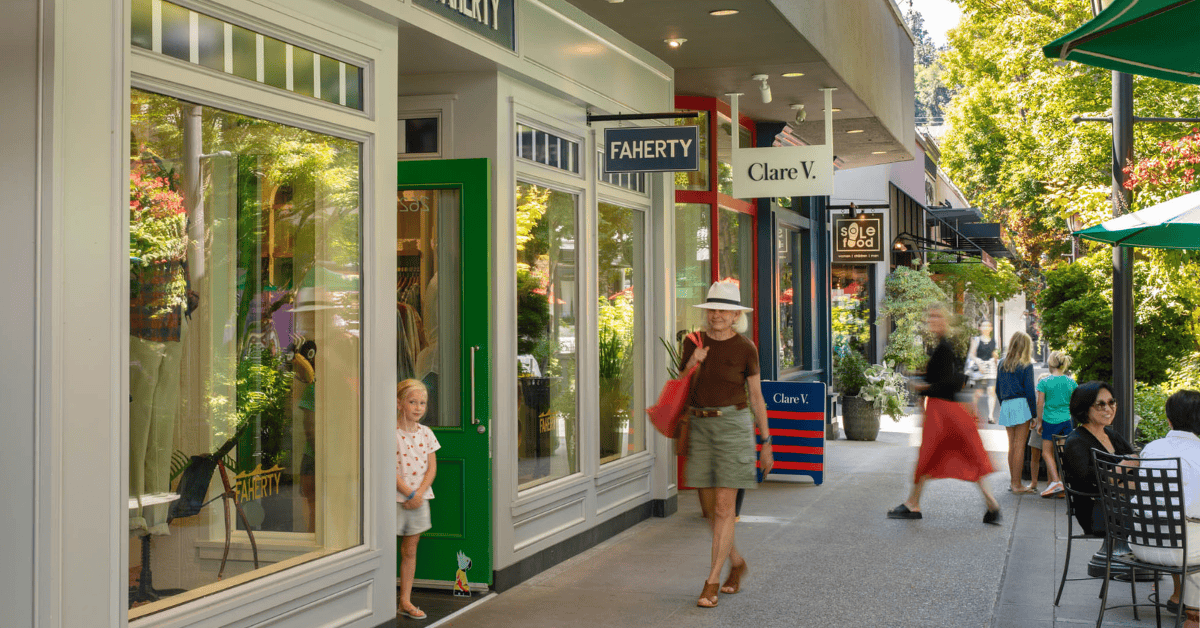
    University Village

    University Village Shopping District


    Between meetings, Seattle’s retail and market scene makes for relaxed group outings:


    Day Trips and Nearby Getaways

    Leavenworth

    Leavenworth Bavarian-style Mountain Town


    Extend your stay with easy group excursions:

    How GroupSync Simplifies Seattle Group Travel

    Planning a group trip to Seattle can be effortless with GroupSync, the only end-to-end booking platform built for group travel. Compare hotels and even book rooms instantly—no RFP required. GroupSync helps planners save time, lock in group rates, and manage every detail in one place, freeing you up to focus on what matters most: creating a memorable event.

    Conclusion

    Seattle brings together everything group travelers crave—natural beauty, walkable convenience, and a world-class hospitality scene. Whether your team is meeting in a modern convention center, toasting the skyline at a rooftop dinner, or unwinding on a ferry to Bainbridge Island, the Emerald City makes it easy to blend business with unforgettable moments.

    Ready to start planning? Let GroupSync connect you with Seattle’s best hotels, venues, and experiences today.

     Plan smarter, book faster.

    Create a free GroupSync account to discover real-time availability, compare rates, and manage your next Seattle group trip—all in one easy platform.


    Save up to 60% on hotel bookings with GroupSync

    Get access to the best rates with risk-free cancellation.
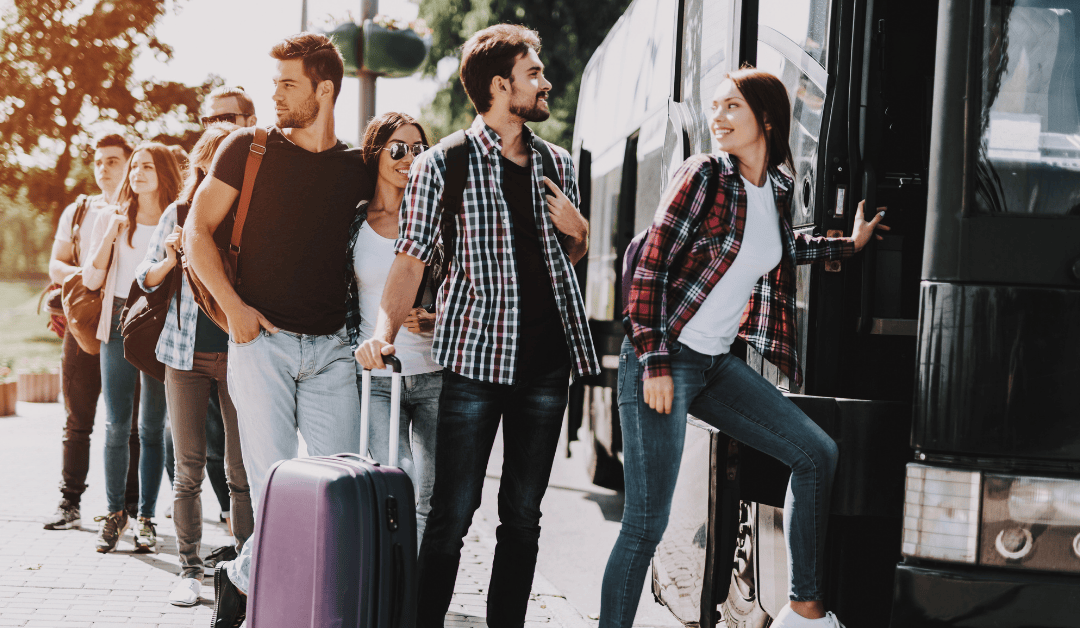
    Why Sporting Venues Are the Next Big Thing in Event Planning

    Why Sporting Venues Are the Next Big Thing in Event Planning

    Hotels and convention centers will always have their place, but sporting venues? They’re fast becoming an MVP option for meeting planners and event pros. These spaces offer something most traditional venues can’t: energy, spectacle, and a backdrop already built for unforgettable moments. Whether it’s a corporate gala, leadership summit, or product launch, stadiums and arenas are now being reimagined for much more than sports.

    Let’s take a closer look at what makes these venues such compelling choices, and highlight standout examples that show just how creative you can get. Once you have a venue in mind, GroupSync can help you find hotels nearby that are perfect for your group.

    What Are Sporting Venues with Event Spaces?

    Sporting venues are facilities built for athletic competitions—but increasingly, they double as high-capacity event venues. This includes:

        • Stadiums (NFL, MLB, college football, etc.)
        • Arenas (NBA, NHL, etc.)
        • Racetracks (motorsport circuits, horse racing)
        • Multi-use sports complexes

    These venues feature a variety of rentable spaces, from luxury suites and club lounges to expansive fields and concourses. What sets them apart is the built-in atmosphere: dramatic architecture, fan energy, and iconic history.


    Benefits of Sporting Venues:

        • Unforgettable settings with built-in excitement
        • High-capacity layouts for everything from board meetings to banquets
        • Branding opportunities on scoreboards and LED boards
        • Immersive experiences like behind-the-scenes tours

    Types of Sporting Venues and Their Versatility

    Sporting venues come in many shapes and sizes. Here are a few common types:

    Stadiums

    Typically used for football, baseball, and soccer. These offer:

        • Massive seating capacity
        • Field access for large-scale events
        • Suites and press boxes for VIP experiences

    Arenas

    Home to hockey and basketball teams:

        • Indoor flexibility
        • High-end club lounges
        • Tech-enabled A/V and lighting

    Racetracks

    From NASCAR to the Kentucky Derby:

        • Open-air grandstands
        • Museum spaces and luxury boxes
        • Outdoor festival-style event potential

    Each can be transformed for:

        • Conferences and trade shows
        • Awards galas and fundraisers
        • Product launches and fan activations


    Amenities and Services that Support Success

    Sporting venues aren’t just dramatic, they’re functional. Many offer:

        • State-of-the-art AV and tech for live shows or presentations
        • Full-service catering (often by acclaimed chefs or partners like Legends Hospitality)
        • On-site parking and VIP entrances
        • Diverse room sizes for breakout sessions, panels, and networking

    This makes them surprisingly planner-friendly, especially for large or hybrid events.

    Unique Event Opportunities You Can’t Get Anywhere Else

    Want to get creative? These venues deliver.

    Signature Experiences:

        • Stadium tours with field or locker room access
        • On-field receptions or batting practice at baseball parks
        • Branded visuals on jumbotrons or LED rings
        • VIP meet-and-greets with former athletes or mascots

    You can even theme your event around the sport. Think: Derby hats and mint juleps at Churchill Downs, or football toss stations at AT&T Stadium.

    Capacity and Layout Options

    Sporting venues scale easily, whether you’re planning for 50 or 5,000.

        • Club lounges and boardrooms for small meetings
        • Concourses and museum spaces for mid-sized receptions
        • Fields, arenas, and grandstands for concerts, conferences, and galas

    Most venues offer multiple rooms to segment experiences—perfect for breakout sessions or tiered ticketing.


    Accessibility and Location Perks

    These venues are usually built to handle crowds, meaning:

        • Proximity to airports and major highways
        • Access to nearby hotels and restaurants
        • Public transit options for urban stadiums

    For planners, that means easier logistics. For guests, that means a better overall experience.


    7 Notable Sporting Venues with Event Spaces

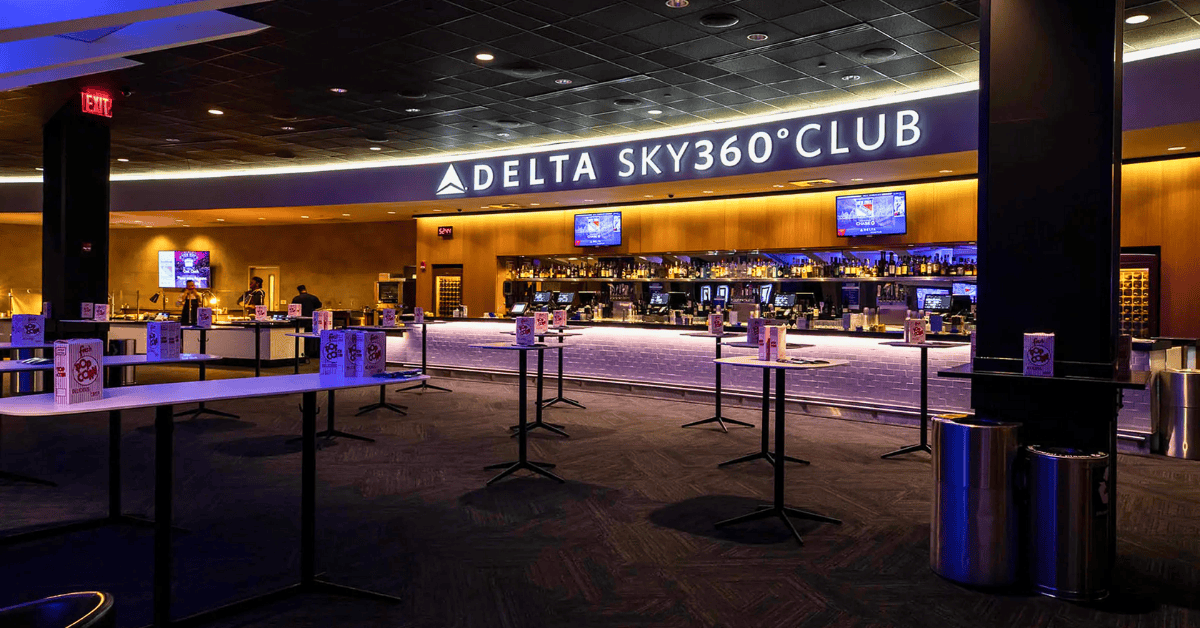
    Madison Square Garden NY Delta Sky360 Club

    Often called the “Mecca” of sports and entertainment, Madison Square Garden is a legendary venue in Midtown Manhattan that offers more than just basketball and hockey. With flexible event spaces like the main arena, the Delta Sky360° Club, and a dedicated theater, MSG blends prestige with performance. It’s the only venue to host both the NBA Finals and Stanley Cup Finals in the same year and continues to welcome everything from galas to fashion shows.

    Event Space Highlights

      • Main arena (up to 19,500 seats or 1,250 banquet style)
      • Delta Sky360° Club for up to 300 guests
      • 5,600-seat Theater at MSG
      • And many more options

    Past Notable Events: Marilyn Monroe’s JFK serenade, multiple conventions, boxing history (Ali vs. Frazier)

    Unique Tip: Use the Legends Room for intimate gatherings surrounded by sports legacy.


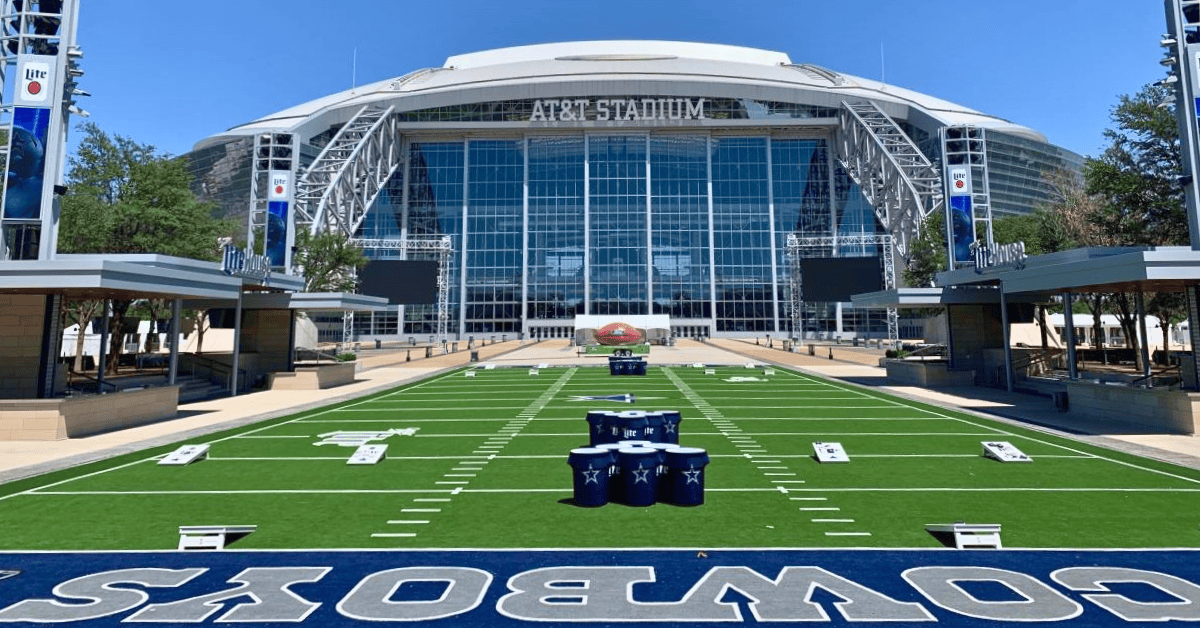
    ATT Stadium Miller Lite House

    Nicknamed “Jerry World,” AT&T Stadium is as much a civic monument as it is a football stadium. Home to the Dallas Cowboys, it offers over 22 customizable event spaces, ranging from luxe suites to the field itself. The world-famous 106-yard HD screen, retractable roof, and in-house catering by Legends make this venue ideal for bold, high-tech events.

    Event Space Highlights

      • 22+ event spaces, including field access
      • Up to 8,000 guests
      • 380 luxury suites

    Past Notable Events: NBA All-Star Game (world record attendance), Super Bowl XLV, upcoming 2026 FIFA World Cup

    Unique Tip: Incorporate the venue’s fine art collection into a guided cocktail tour.


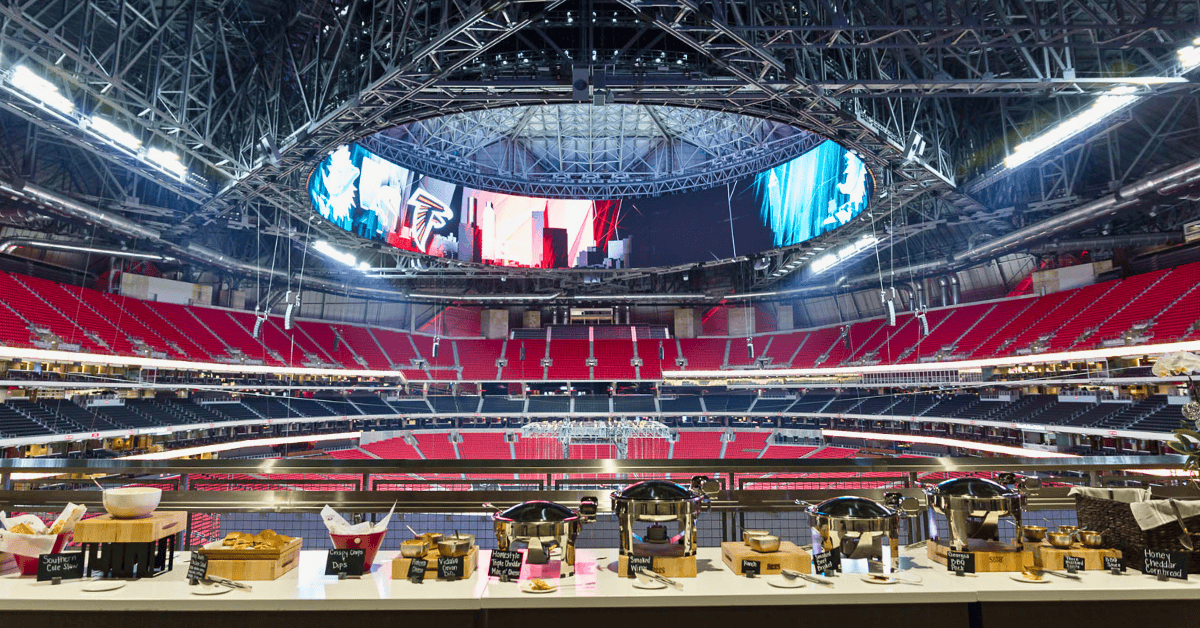
    Mercedes-Benz Stadium Skybridge

    Known for its iconic retractable roof and 360-degree halo video board, Mercedes-Benz Stadium is a modern marvel in downtown Atlanta. It’s home to the NFL’s Falcons and MLS’s Atlanta United, with over 200,000 sq ft of event space designed for versatility and comfort. From on-field receptions to luxe club events, it delivers cutting-edge tech and Southern hospitality.

    Event Space Highlights

      • 200,000+ sq ft event space
      • Mercedes-Benz Club (up to 1,000 guests)
      • Field access, Skybridge, and 20+ clubs

    Past Notable Events: College Football Playoffs, MLS Cup Final, upcoming FIFA World Cup

    Unique Tip: Brand your event on the halo screen for a 360° visual impact.


    Yankee Stadium Legends Suite

    A shrine to baseball greatness, Yankee Stadium combines modern elegance with timeless Bronx heritage. Event planners can rent spaces like the Great Hall, Legends Suite, and Audi Yankees Club—or go big with an on-field activation. With museum access, batting practice, and views of Monument Park, this venue brings Yankee magic to any gathering.

    Event Space Highlights

    Past Notable Events: NHL hockey, boxing, soccer, concerts by Jay-Z and Eminem

    Unique Tip: Offer VIPs batting practice or photo ops in Monument Park.


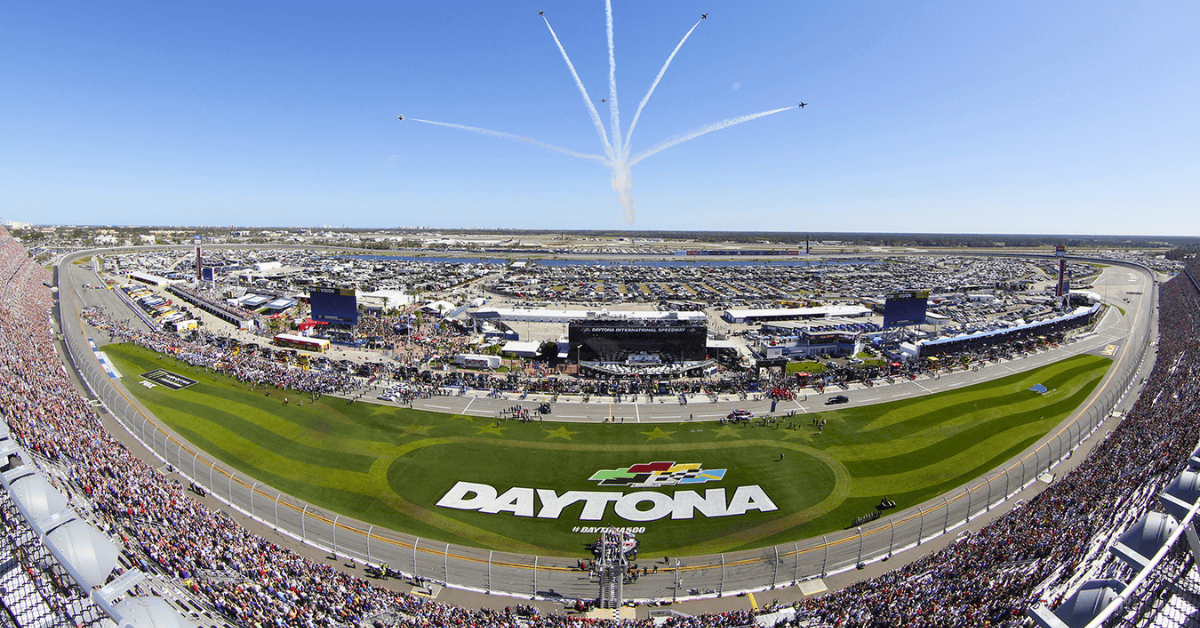
    Daytona International Speedway

    Known as the “World Center of Racing,” Daytona International Speedway is a legendary motorsports venue that offers far more than a front-row seat to the Daytona 500. With premium lounges, corporate suites, and expansive outdoor fan zones, Daytona brings the speed and spectacle of NASCAR to high-end hospitality. Its range of VIP experiences, from executive stock car driving to multi-day event camping, make it one of the most versatile venues for planners looking to thrill.

    Event Space Highlights

      • Daytona 500 Club (7,480 sq ft; up to 700 guests), plush trackside lounge with theater-style seating and full bar
      • Rolex 24 Lounge (9,088 sq ft), endurance race lounge with race telemetry and premium hospitality
      • Sky & Highbanks Suites (20–50 guests each) with panoramic views and private terraces
      • Infield/Fan Zone setups for fitness races, demo rides, and festivals
      • Conference spaces and concourse areas (up to 138,000 sq ft)

    Past Notable Events: Daytona 500, Rolex 24, Fall Cycle Scene, Run Daytona, and large brand activations by major automotive sponsors

    Unique Tip: Expect February to be packed—reference the Event Calendar to keep your plans on track.


    Sports Illustrated Club Churchill Downs

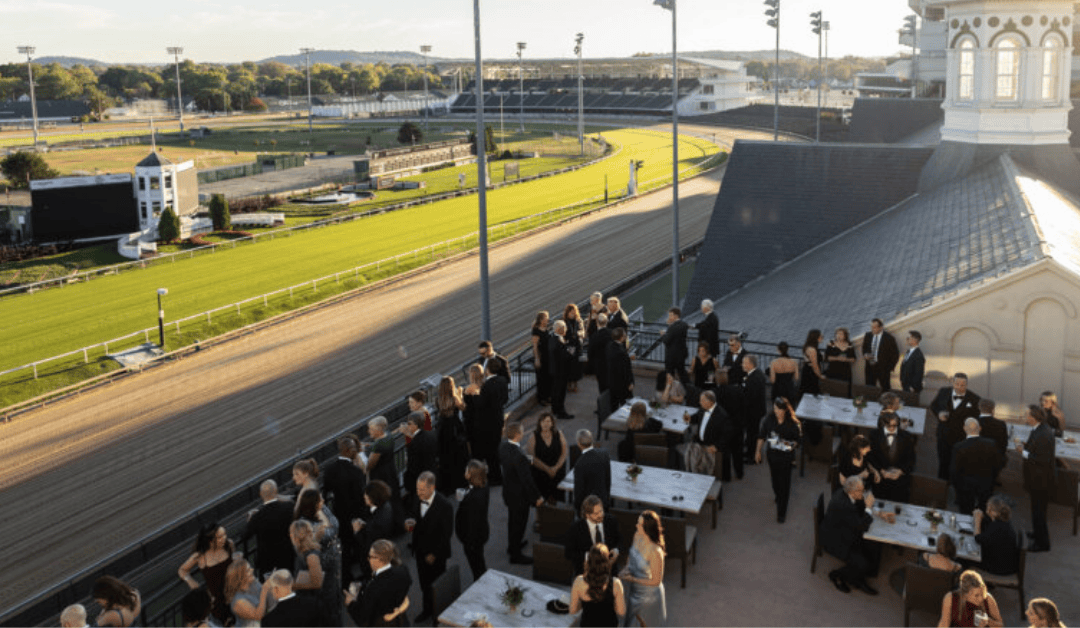
    Home to the Kentucky Derby since 1875, Churchill Downs is a venue steeped in tradition and Southern charm. Its event offerings range from the elegant Derby Museum to trackside terraces and Millionaires Row. Guests can enjoy VIP barn tours, mint juleps, and even live racing as part of a uniquely immersive experience.

    Event Space Highlights

      • First Turn Club (1922 seated capacity)
      • Millionaires Row, Turf Club, Paddock Terrace Level
      • Winner’s Circle and barn tours

    Past Notable Events: Breeders’ Cup, HullabaLOU music festival, Queen Elizabeth visit

    Unique Tip: Build an event around live racing or Derby-themed flair.


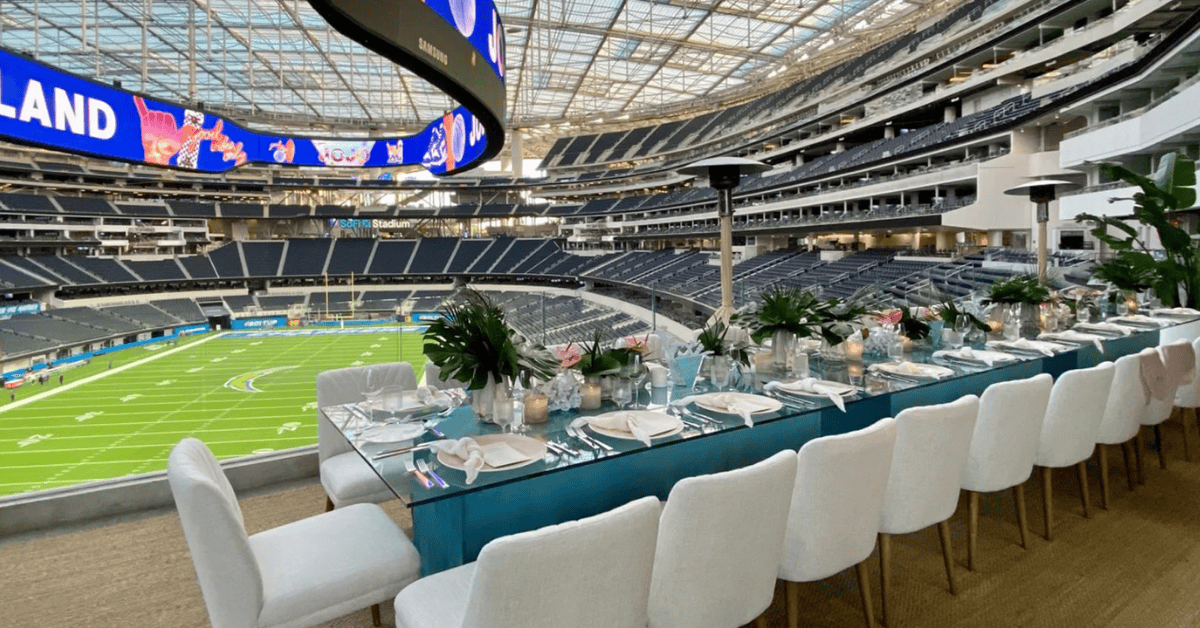
    SoFi Stadium

    A futuristic venue in the heart of Los Angeles, SoFi Stadium blends massive scale with next-gen tech. The semi-open dome, dual-sided Oculus screen, and flexible event space make it ideal for high-profile corporate events and brand launches. As part of the Hollywood Park district, it offers access to adjacent performance venues, outdoor spaces, and high-end hospitality.

    Event Space Highlights

      • 35+ flexible spaces
      • Google Clud and Club Suites, Oculus board, Owners’ Club, Patio Club
      • Full stadium or small lounges

    Past Notable Events: Super Bowl, College Football Championship, upcoming Olympics

    Unique Tip: Program the Oculus screen with a 4K welcome message.


    Other Notable Options

    Fenway Park (Boston, MA)

    The oldest ballpark in Major League Baseball, Fenway offers classic charm and surprising versatility with options like field rentals and rooftop event spaces.

      Rose Bowl Stadium (Pasadena, CA)

      This National Historic Landmark has hosted Super Bowls, World Cup finals, and concerts—ideal for outdoor events in a scenic Southern California setting.


      Real-World Case Studies


      MPI WEC – Busch Stadium

      In June 2025, Meeting Professionals International (MPI) kicked off its World Education Congress (WEC) with an opening celebration at Busch Stadium, home of the St. Louis Cardinals. The event welcomed over 1,900 attendees with baseball-themed networking, local St. Louis cuisine, and photo ops on the field. The space was activated with custom event staging and city-centric decor, offering a relaxed yet vibrant atmosphere to launch the conference.

      What Worked: Custom staging, STL-themed décor, ballpark snacks
      Impact: High engagement and local culture integration
      More Details: MPI WEC 2025 Recap – Meetings Today


      MLB Draft – Lumen Field

      During the 2023 MLB All-Star Week, Lumen Field in Seattle hosted the first two rounds of the MLB Draft inside the NFL stadium. The venue was transformed with baseball-themed staging, batting cages, and fan zones, providing a dynamic cross-sport experience and showcasing Lumen Field’s flexibility.

      What Worked: NFL stadium transformed with MLB staging and fan zones
      Impact: Boosted local economy and cross-sport flexibility
      More Details: MLB All-Star 2023 Coverage – BizBash


      Eclipse Fest – Eagle Pass

      In April 2024, a regional stadium in Eagle Pass, Texas, served as the epicenter for a solar eclipse festival. Collaborating with the National Solar Observatory and NSF, organizers created a hybrid science and culture event with telescopes, speaker panels, and music programming under the eclipse path.

      What Worked: Community science meets public spectacle
      Impact: Turned small-town complex into national destination
      More Details: NSO Eclipse Outreach Summary – ResearchGate


      Guns ‘n’ Hoses – Enterprise Center

      The Enterprise Center in St. Louis hosts the annual Guns ‘n’ Hoses charity boxing and MMA event, featuring local police officers and firefighters. With full arena attendance and widespread community support, the event has become a hallmark of local pride and civic engagement.

      What Worked: Charity fights with packed house
      Impact: Built community goodwill and press buzz
      More Details: Guns ‘n’ Hoses St. Louis – BackStoppers


      Ready to Make Your Next Event a Slam Dunk?

      Whether you’re planning a leadership summit, fundraising gala, or product launch, sporting venues offer unparalleled scale, flexibility, and wow factor. From luxury lounges to field access and LED branding, the possibilities are endless.

      Ready to explore hotels near stadium venues for your next event? Sign up for a free GroupSync account to browse availability, compare rates, and book your perfect venue in real time.


      GroupSync™ helps event planners save up to 60% off hotel room rates

      Get access to the best rates with risk-free cancellation.

      11 Famous Foods and Cocktails Invented at Hotels

      11 Famous Foods and Cocktails Invented at Hotels

      Hotels are more than places to stay; they are incubators of culinary creativity. For over a century, hotel chefs and bartenders have dreamed up dishes and drinks that left the lobby and became part of global dining culture. Some started as experiments, others as accidents, and a few as hangover cures. Today, many of these creations are still enjoyed daily, their origin stories tied forever to the hotels that first served them.

      Let’s explore some of the most beloved recipes that were born in U.S. hotels and went on to shape dining and drinking traditions worldwide.

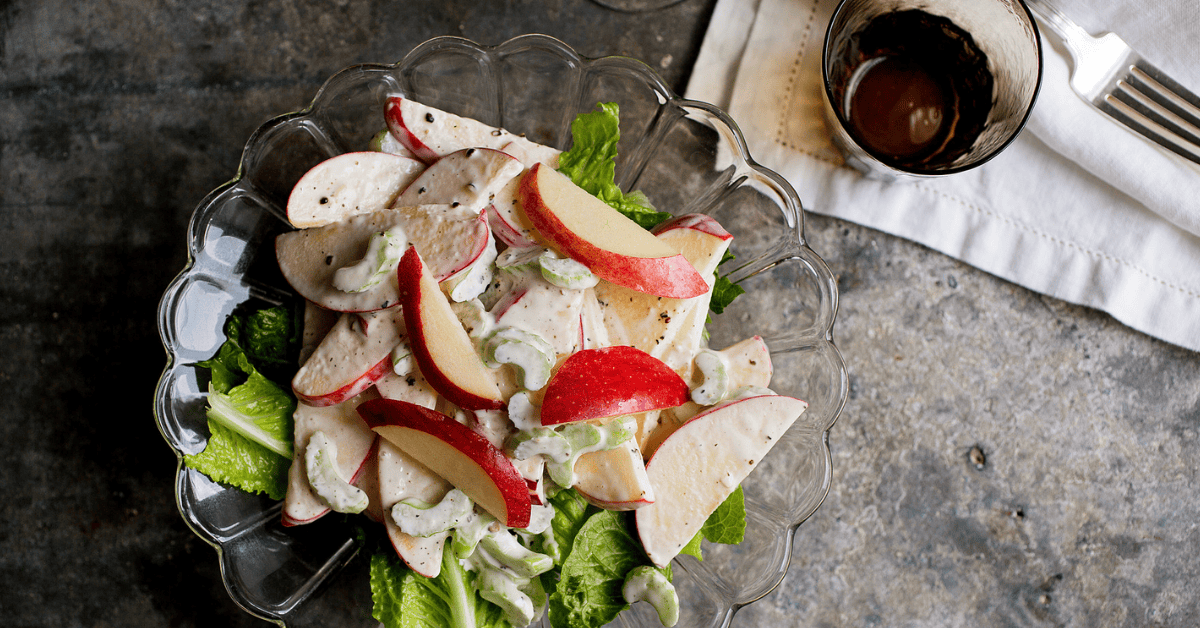
      Waldorf Salad – Waldorf Astoria, New York (1893)

      Image: © New York Times

      Debuting at a charity ball during the Waldorf’s grand opening, this salad was the brainchild of maître d’hôtel Oscar Tschirky.

      The original mix was simple: apples, celery, and mayonnaise served on crisp lettuce. Walnuts and grapes came later.

      What began as a fashionable dish for New York’s elite became a timeless menu staple, still found on plates across the globe and proudly served at Waldorf Astoria hotels today.


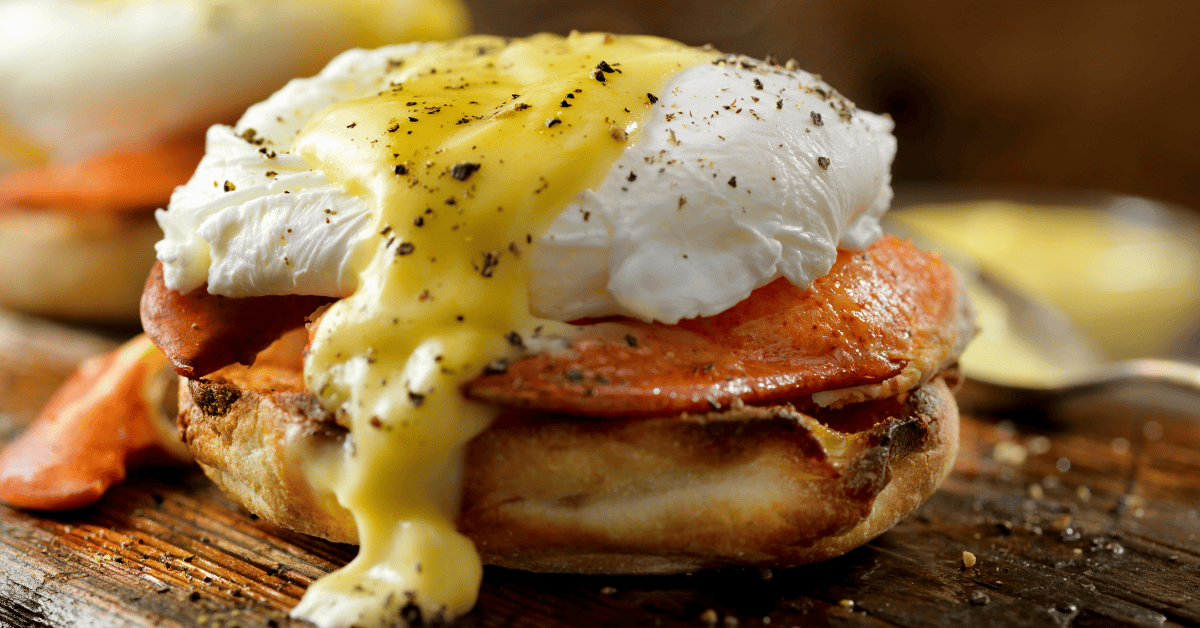
      Eggs Benedict – Waldorf Astoria, New York (1894)

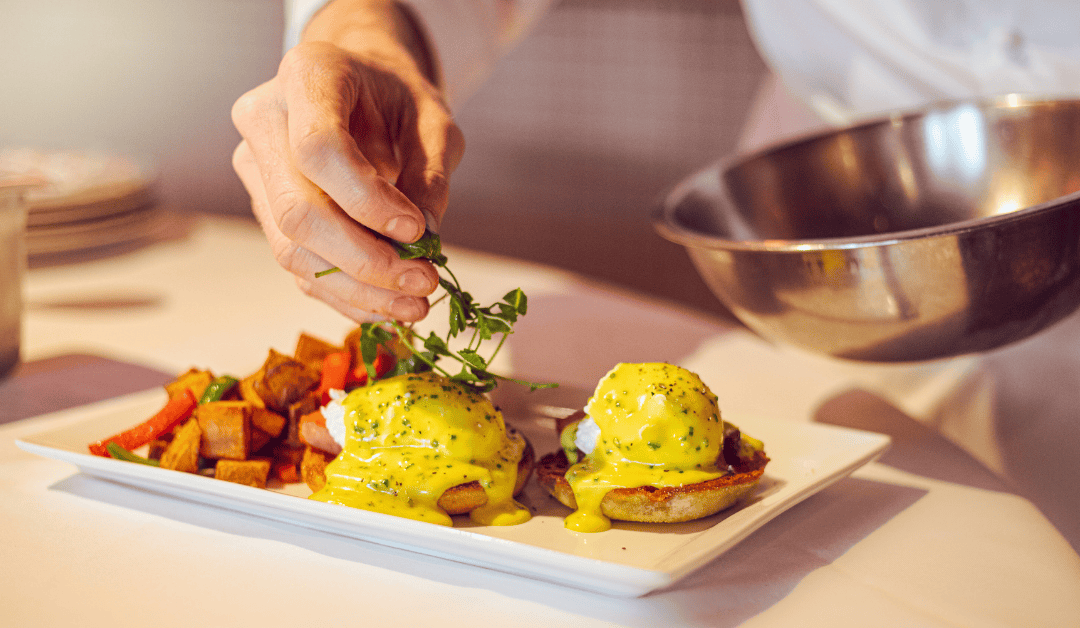
      Another creation from maître d’hôtel Oscar Tschirky in the late 1800’s. Legend has it a hungover Wall Street broker, Lemuel Benedict, wandered into the Waldorf and asked for toast, poached eggs, bacon, and hollandaise.

      Tschirky refined the order into English muffins, Canadian bacon, poached eggs, and velvety hollandaise. The result was Eggs Benedict, an indulgent brunch staple that traveled from the hotel dining room to cafés worldwide.


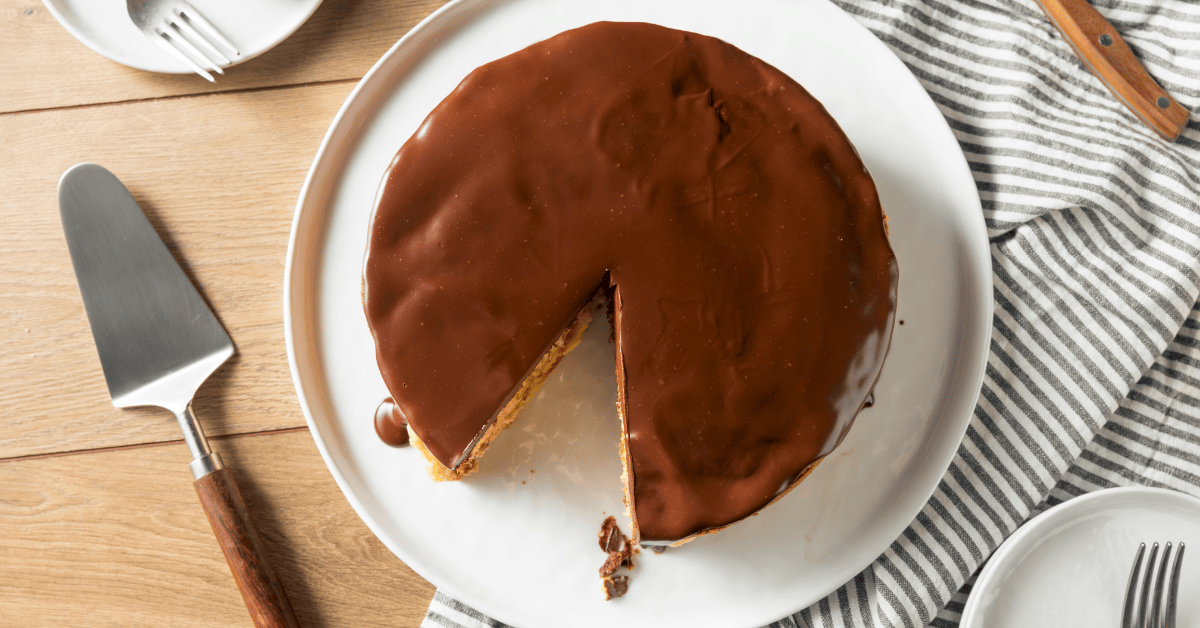
      Boston Cream Pie – Parker House Hotel, Boston (1856)

      Despite its name, this dessert is cake through and through: two layers of sponge with a pastry cream filling, topped with chocolate glaze.

      Created by Chef Augustine Anézin at Boston’s Parker House, it quickly became the talk of the town. By the 20th century, boxed versions hit grocery stores, and in 1996, Massachusetts crowned it the state’s official dessert. Today, Boston Cream Pie is as iconic as the city itself.


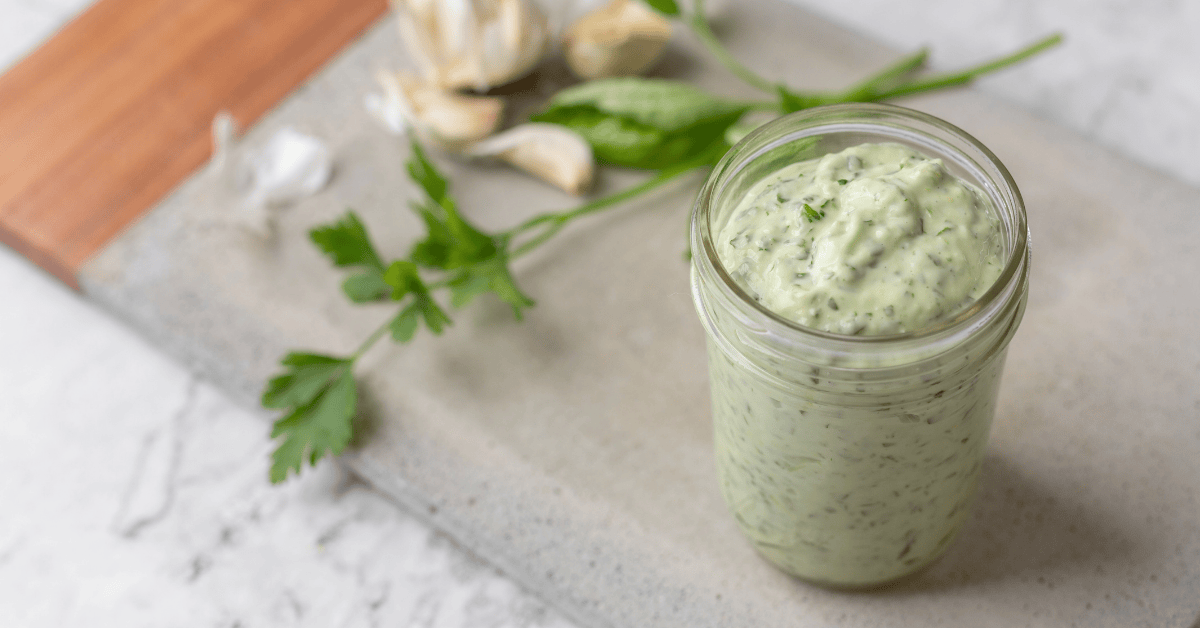
      Green Goddess salad dressing

      Green Goddess dressing was created in 1923 at the Palace Hotel in San Francisco.

      The hotel’s executive chef, Philip Roemer, invented the vibrant, herb-filled dressing to honor actor George Arliss and his hit play The Green Goddess.

      Made with mayonnaise, anchovies, herbs, and a hint of garlic, the dressing became an instant classic—perfectly capturing the elegance and innovation of the era. Today, it remains a beloved staple on menus across the country.


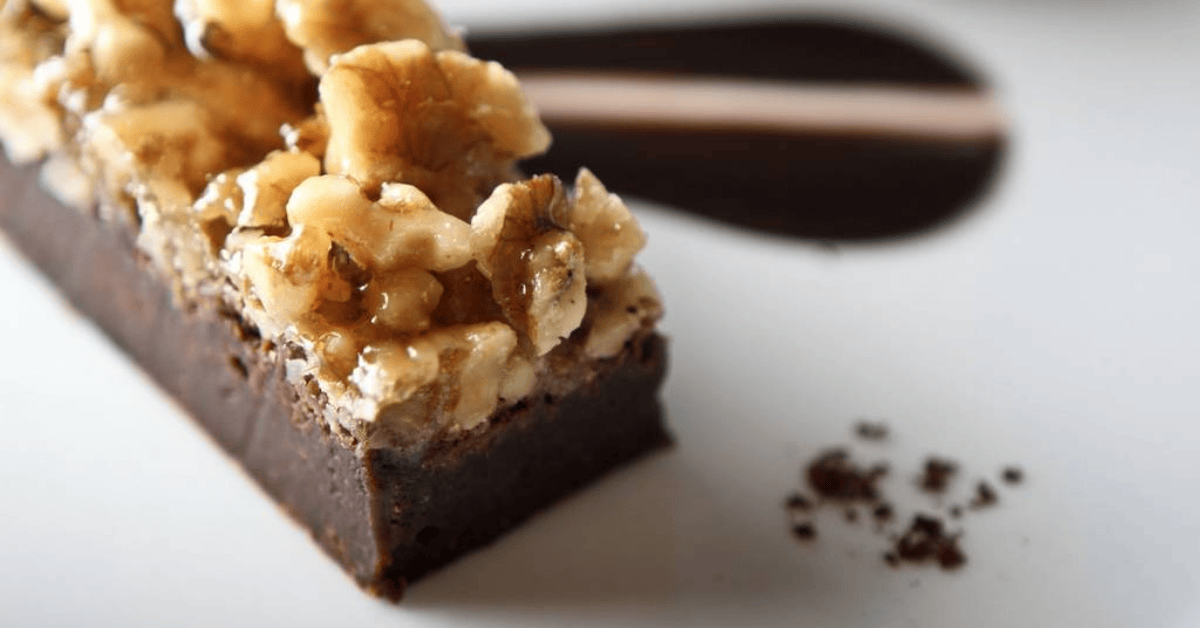
      Brownie – Palmer House Hotel, Chicago (1893)
      Image: © Palmer House, A Hilton Hotel

      Chicago’s Palmer House introduced the first brownie at the World’s Columbian Exposition.

      Requested by Bertha Palmer for ladies’ boxed lunches, it was a dense chocolate square with walnuts and an apricot glaze. Guests loved it, and the recipe spread quickly, appearing in cookbooks by the 1890s.

      The Palmer House still serves the original, but brownies have since become one of America’s favorite homemade desserts.


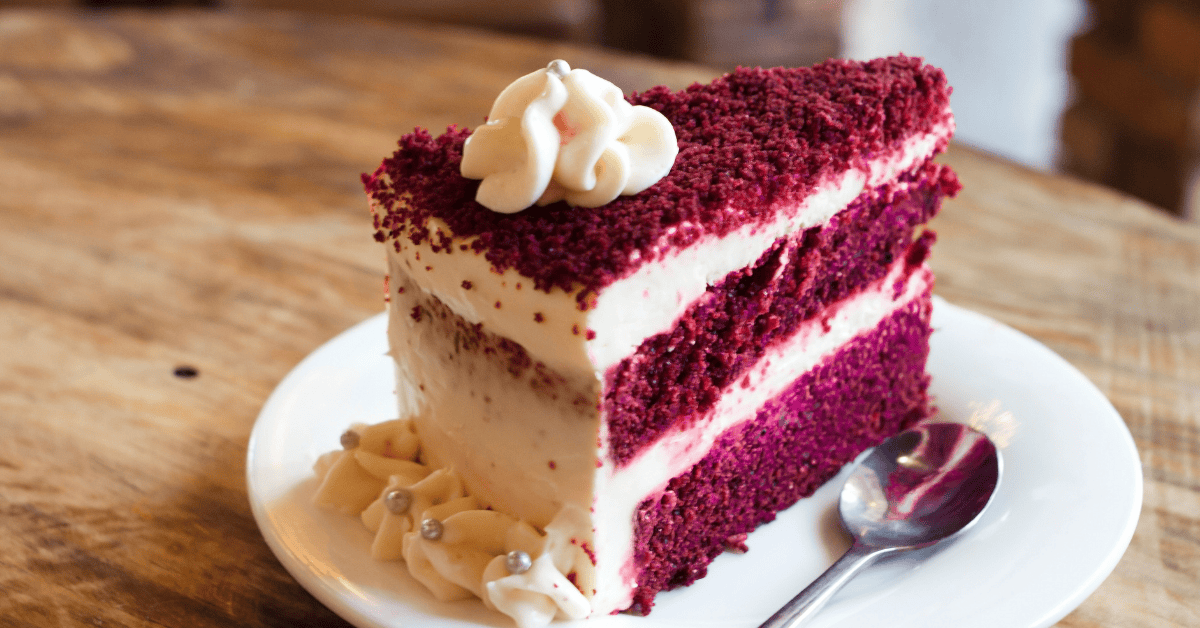
      Red Velvet Cake – Waldorf Astoria, New York (1930s)

      Velvet cakes existed before, but the Waldorf put this crimson beauty on the map.

      Originally tinted with beet juice before food coloring was common, the hotel’s version caught on during the mid-20th century. A rumored story of a guest being billed an outrageous fee for the recipe helped fuel its mystique.

      Today, Red Velvet is a bakery staple, especially in the American South, thanks to its Waldorf beginnings.


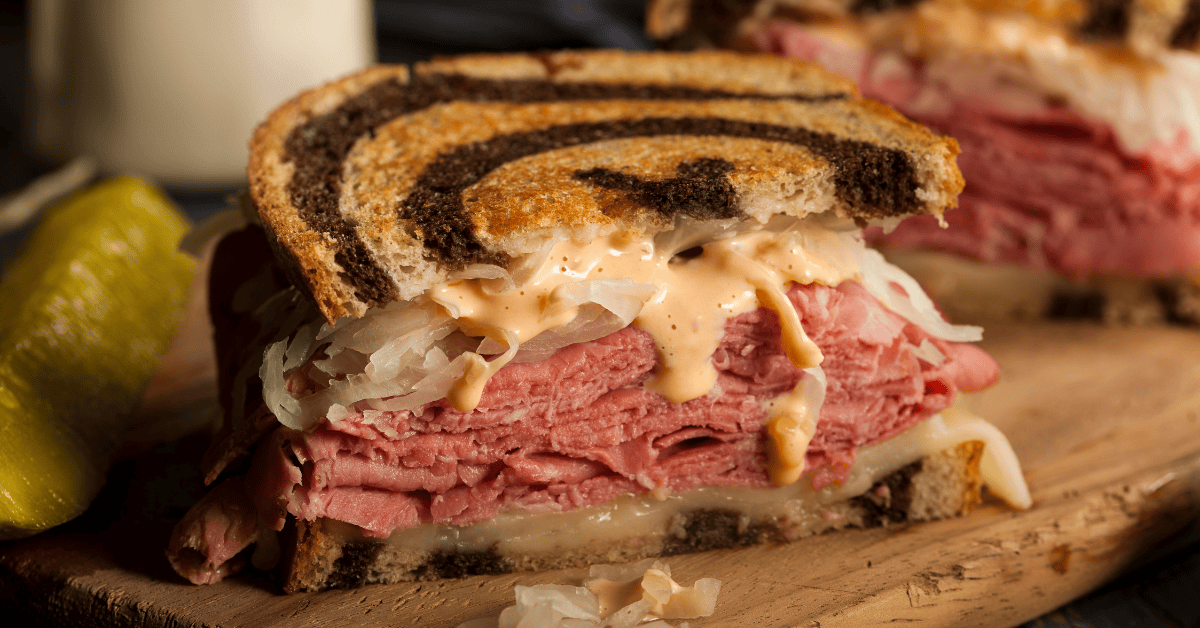
      Reuben Sandwich – Blackstone Hotel (Now called the Kimpton Cottonwood Hotel) , Omaha (1925)

      During a poker game at the Blackstone Hotel, grocer Reuben Kulakofsky suggested combining corned beef, sauerkraut, Swiss cheese, and dressing on rye. The hotel’s chef served it up, and soon the “Reuben” was added to the menu. It became a deli classic across the country and even won a national sandwich contest in the 1950s.

      Today, nearly every deli has a Reuben, but Omaha holds bragging rights for its creation.


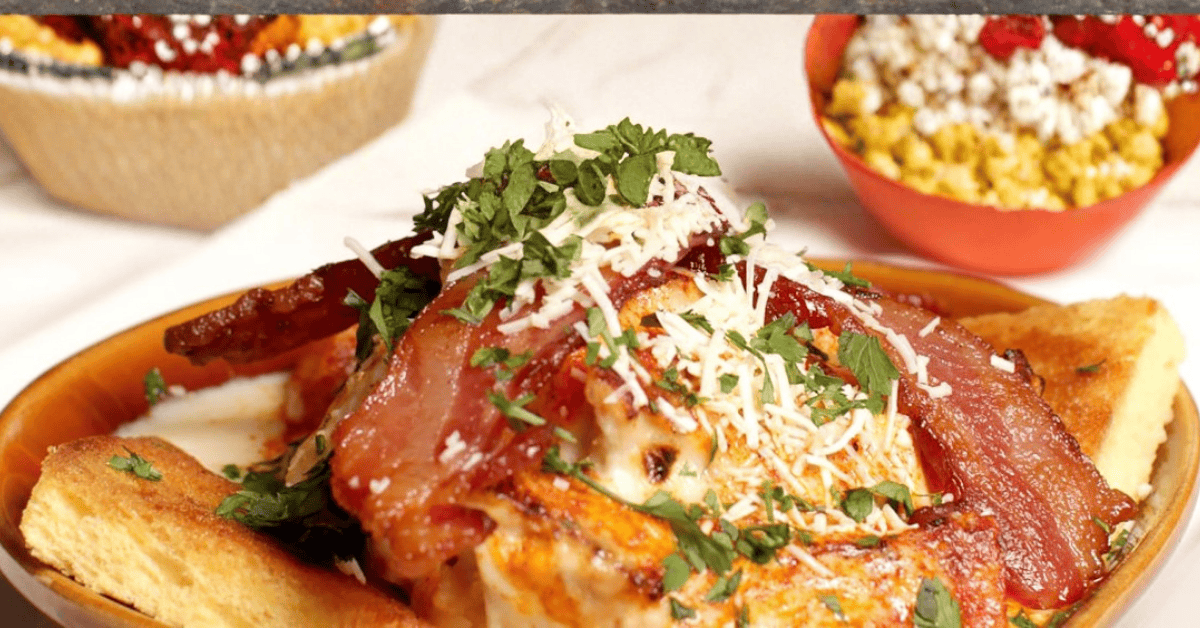
      The Hot Brown Sandwich invented at the Brown Hotel in Louisville, KY

      When in Louisville, Kentucky, try a local foodie legend—the Hot Brown. It’s an open-faced turkey sandwich with bacon and a béchamel–style mornay sauce that is either baked or broiled until the bread gets crisp and the white, cheesy sauce begins to brown.

      This heated sandwich originated at the Brown Hotel in 1926, when chef Fred Schmidt decided to create a dish that stood out from then-common fare like ham and eggs.

      Today, hotel guests can have a Hot Brown at the property’s restaurants or bar, or via room service.


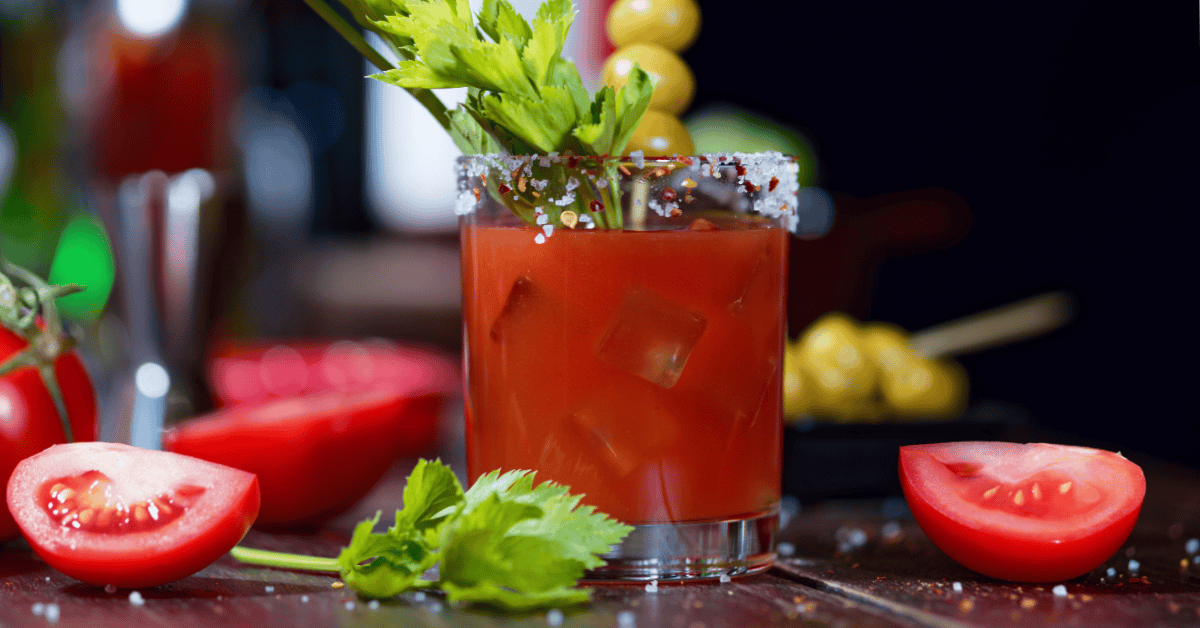
      Bloody Mary – St. Regis Hotel, New York (1934)

      French bartender Fernand “Pete” Petiot perfected the Bloody Mary at the St. Regis’s King Cole Bar. He built on a tomato-vodka base with spices, Worcestershire, and hot sauce, but management initially listed it as the “Red Snapper” for delicate ears.

      It became a brunch mainstay and is still the signature cocktail at St. Regis hotels, with each property offering its own twist.


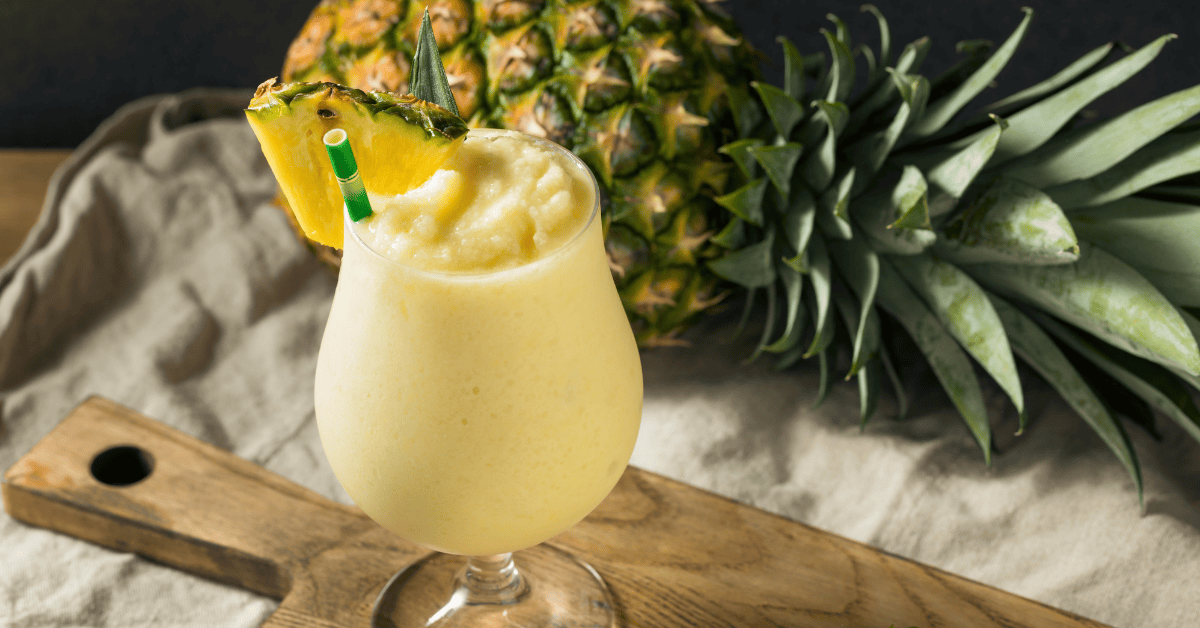
      Piña Colada – Caribe Hilton, San Juan, Puerto Rico (1954)

      Tasked with creating a new signature cocktail, bartender Ramón “Monchito” Marrero blended rum, cream of coconut, and pineapple juice. The Piña Colada was born at the Caribe Hilton’s Beachcomber Bar, capturing the essence of the tropics in a glass.

      By the 1970s it was Puerto Rico’s national drink, and thanks to pop culture and beach bars, it remains the ultimate symbol of vacation vibes.


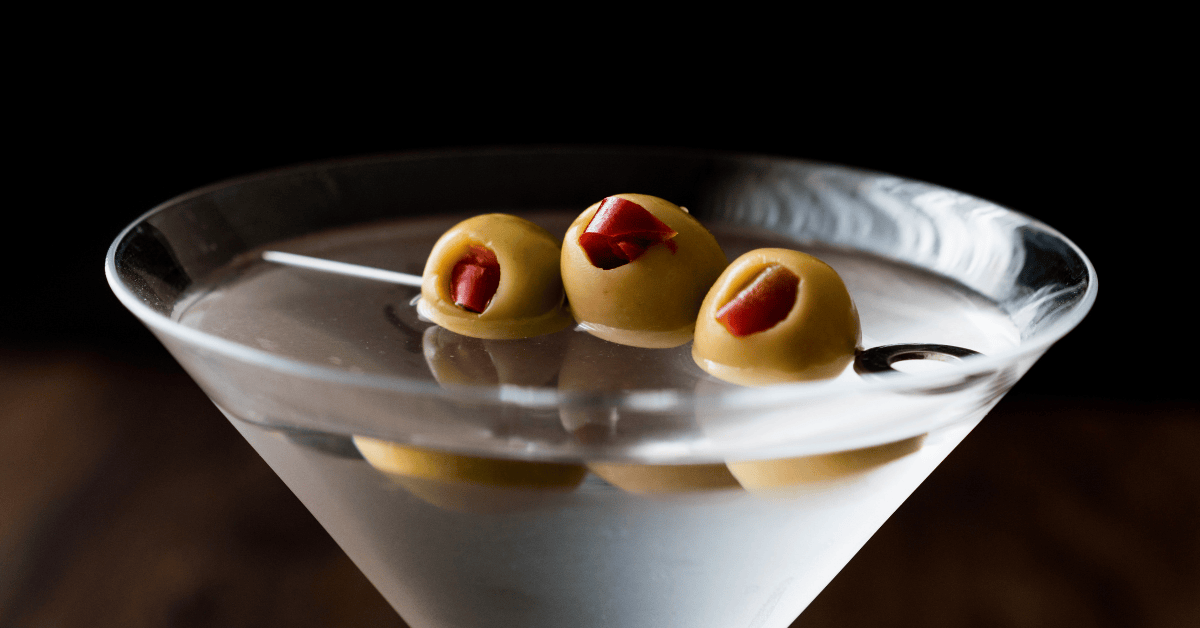
      Dry Martini – Knickerbocker Hotel, New York (1912)

      Though the martini’s origins are debated, one strong claim points to the Knickerbocker.

      Bartender Martini di Arma di Taggia is said to have crafted the first dry martini, gin with dry vermouth, for John D. Rockefeller. The sophisticated simplicity of the drink caught on with New York society and soon spread worldwide.

      Today, the martini remains a symbol of timeless elegance, forever tied to its hotel bar beginnings.


      Conclusion

      From breakfast icons to cocktail-hour legends, these recipes remind us how hotels shape culture far beyond their walls. Each dish or drink began as a creative spark, sometimes accidental and sometimes intentional, but all became beloved classics. Next time you order Eggs Benedict, sip a Bloody Mary, or bite into a brownie, you are enjoying a piece of hotel history.

      Just as hotels helped shape food and beverage culture, they also continue to shape the way groups gather. With GroupSync, meeting and event planners can search, compare, and book hotels and meeting spaces with the same ease these legendary recipes spread across the world. Whether you need a hotel conference room or a block of guest rooms, GroupSync helps you secure the best fit faster.

      Sign up for a free GroupSync account today and discover how simple group bookings can be.


      Planners save up to 60% off hotel room rates with GroupSync™

      Get access to the best rates with risk-free cancellation.
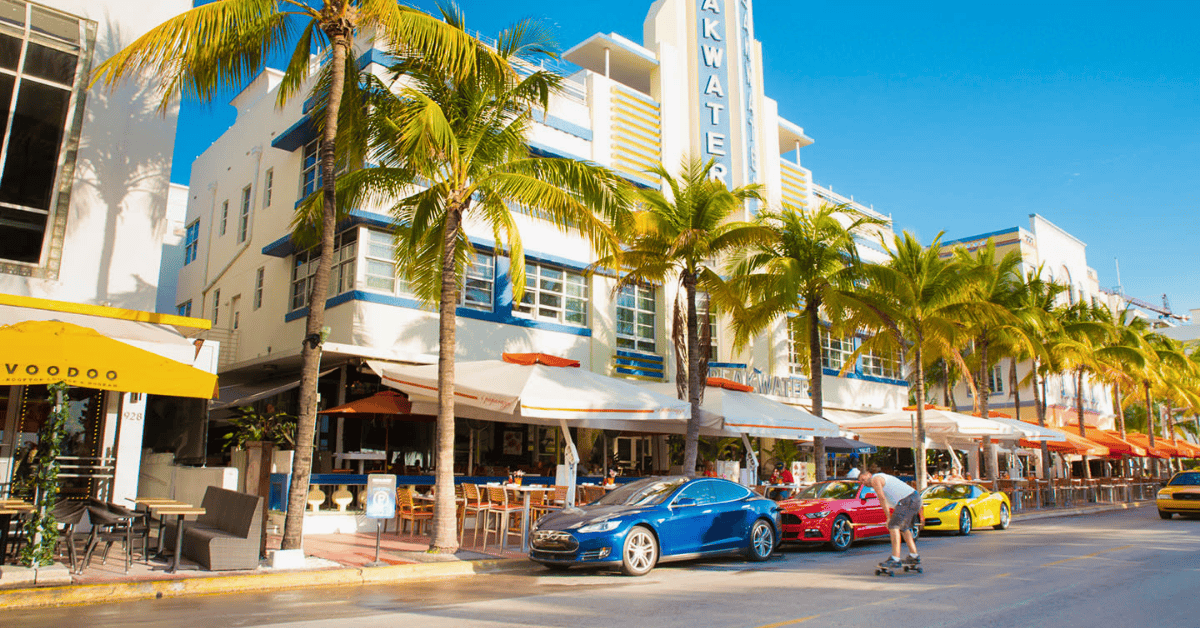
      Stretch Your Event Budget: Where to Save and Where to Splurge

      Stretch Your Event Budget: Where to Save and Where to Splurge

      Introduction

      Every planner knows the struggle: expectations are high, but the budget only stretches so far. It’s tempting to want every detail to shine, yet the smartest events aren’t built on spending everywhere. They’re built on spending well.

      The truth is, you don’t need unlimited funds to make an impression. What you do need is a clear sense of where your money makes the most impact. Sometimes that means investing in the venue or the food. Other times, it means pulling back on décor or extras that won’t change how guests feel.

      When hotels are part of the picture, this balance becomes even more important. Many properties come with built-in resources that planners often overlook, and knowing when to lean on those can stretch your budget further. Let’s walk through the best places to splurge and the smartest spots to save. 


      If there’s one rule to remember, it’s this: when guest comfort and housing are part of the event, always splurge on the hotel.

      Start with Priorities

      Every event has a heartbeat. For some, it’s about comfort and guest housing. For others, it’s the wow factor of the space or the food. Start by identifying your non-negotiables. Once you’re clear on what must shine, you can confidently save in other areas.


      Splurge Zones: Where the Investment Pays Off

      Venue and Location

      The right venue sets the tone for everything else. A breathtaking downtown conference center or a Florida hotel and conference center with built-in amenities can eliminate the need for heavy décor. Splurging here often means you’ll save down the line on rentals and decorations because the space itself carries the wow factor. And if guest housing is important, investing in the best hotel you can afford is worth every penny.

        Lighting and AV

        Lighting is transformative. If your space feels bland, uplights on blank walls can completely change the atmosphere. Quality sound systems and clear visuals are equally important. No amount of décor can fix poor acoustics or bad lighting, so this is always money well spent.

          Signature Décor or Statement Pieces

          Instead of spreading your budget thin across every table, consider one or two statement pieces. A lush floral installation, dramatic stage backdrop, or custom lounge area can create focal points that draw the eye and provide those Instagram-worthy moments guests love.

          Food Experience

          Guests remember food long after the event. Splurge on creative menus, interactive stations, or elevated presentation. Even simple buffets feel special when food is displayed thoughtfully with varying heights, garnishes, and plating.

          Read this article for more tips on How Food and Beverage Shape Events.


          Save Zones: Where You Can Cut Without Sacrifice

          Tabletop Décor and Linens

          Skip the pricey overlays and go with standard hotel linens on most tables. Elevate the look with simple flowers, greenery, or candle clusters. Or flip the formula: splurge on luxe linens for guest tables, then keep food and service tables simple with standard poly cloths.

            Buffet and Food Presentation

            Buffet décor doesn’t need to be extravagant. Let the food itself be the star by using unique placements and arrangements. Hotels often provide risers, trays, and display pieces that highlight food beautifully without needing extra decoration.

              Décor Rentals and Reuse

              Rent instead of buying vases, candle holders, and accent pieces. Reuse décor across different event segments. For example, ceremony florals can be repurposed for reception entryways or buffets.

              Printing and Paper Goods

              Save by using the hotel’s built-in services. Many hotels can print menus, signage, or programs at no extra cost. For a modern touch, consider QR codes or digital signage instead of heavy custom printing.

              Décor Lighting Hacks

              If your budget is tight, uplights are your best friend. For a fraction of the cost of custom décor, uplighting can transform even the most basic ballroom into a dramatic space.

              Bar and Beverage Choices

              An open bar sounds glamorous, but it can quickly drain your budget. A smarter option is to offer beer, wine, and a couple of pre-batched signature cocktails. Guests still get variety and something unique, but you’ll avoid the high costs of stocking a full bar and staffing multiple bartenders.

              Read this article for more tips on Planning Cocktail & Mocktail Receptions on a Budget.
               

              Smart Splurge-Save Combos

                • Splurge on fancy linens and save on tabletop décor with minimalist florals.
                • Splurge on food presentation and save on buffet décor by letting the dishes serve as decoration.
                • Splurge on guest comfort through housing and location and save on extras like favors or swag.
                • Splurge on statement décor pieces and save on the rest with standard candles and greenery.

              Example Scenarios

                • Corporate Meeting at a Downtown Conference Center: Splurge on venue and AV for a professional setting. Save on décor by relying on the hotel’s built-in furnishings and simple uplighting.
                • Wedding Block in a Florida Hotel and Conference Center: Splurge on guest rooms and premium linens for reception tables. Save with buffet décor and beer and wine service plus a signature cocktail.
                • Training Session in a Business Hotel: Splurge on high-quality food and beverage to keep attendees energized. Save on décor with standard linens and hotel-provided candles.


              Conclusion

              Event budgets are all about choices. You can’t spend heavily in every category, and the good news is you don’t have to. By putting your money toward the areas that matter most—like housing, venue, lighting, and food—you create an experience that feels polished and intentional. By cutting back in the places that won’t be missed, you keep your budget in check without sacrificing quality.

              If there’s one rule to remember, it’s this: when guest comfort and housing are part of the event, always splurge on the hotel. Comfortable rooms and seamless service are the foundation for everything else. From there, spend strategically. Splurge on what creates memories, save on what won’t be noticed, and your event will deliver impact without overspending.

              Ready to make smarter choices for your next event? With GroupSync, you can compare hotels and find the best fit for your group without the guesswork.

              Sign up for a free GroupSync account today and start building events that impress without overspending. 


              Save up to 60% on hotel bookings with GroupSync™

              Get access to the best rates with risk-free cancellation.
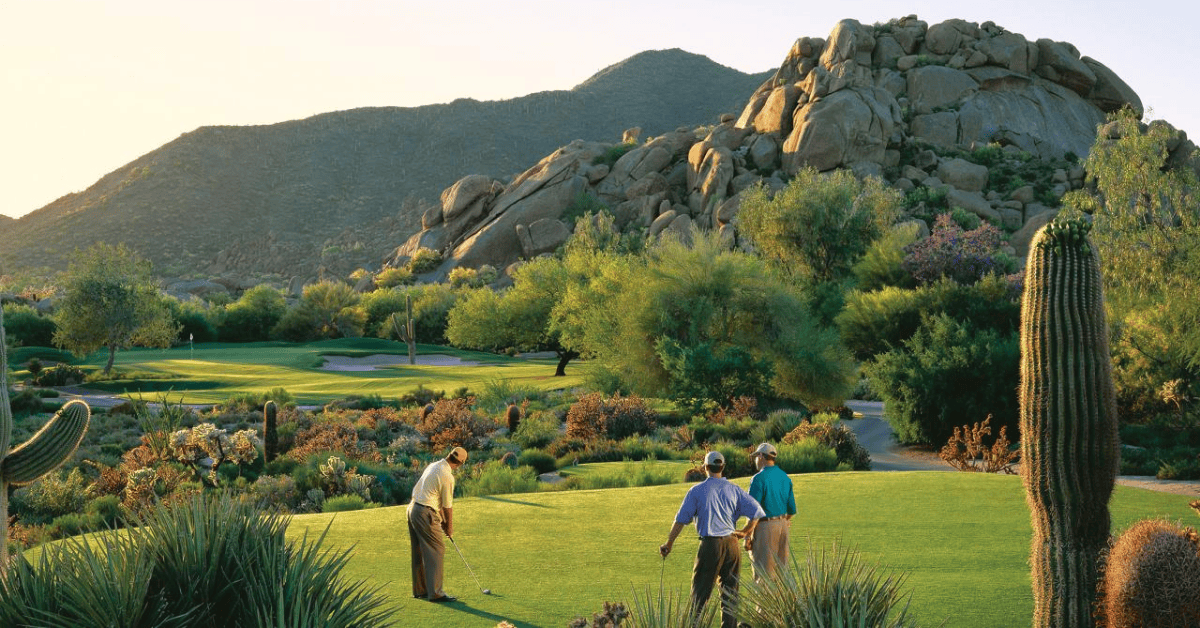
              How to Position Your Event So Hotels Compete for Your Group Business

              How to Position Your Event So Hotels Compete for Your Group Business

              Every event planner knows the power dynamic of hotel negotiations. You need space, rooms, and flexibility. Hotels need to maximize revenue per square foot. The question is: how do you tell your event’s story so a hotel sees you as a valuable partner, not just another block of rooms on a spreadsheet?

              The answer lies in showing your worth in the right way. Whether you’re booking a conference center, planning group travel, or just reserving a block of rooms, hotels prioritize the business that looks like the best fit. When you frame your event thoughtfully, you increase your chances of better rates, more perks, and stronger partnerships.

              Here’s how to make hotels want you.
               

              Lead with Clarity, Not Confusion

              Hotels see countless RFPs every day. A vague, incomplete, or overly broad request is easy to push aside. If your RFP looks like it came from a third-party form generator or lacks detail, hotels may assume you aren’t serious or that your group isn’t worth the effort.

              Instead:

                • Be specific about your needs. If you don’t require a large ballroom, highlight your food and beverage minimums or breakout sessions instead.
                • Avoid unnecessary asks. Don’t request extra space, AV, or meal service unless you truly need it. Inflated RFPs often backfire.

              A clear, thoughtful request signals professionalism and helps hotels see how your group fits into their business model.
               

              Highlight Your Food and Beverage Spend

              Hotel profit margins aren’t just about rooms. Banquets, catering, and receptions often carry higher profitability than sleeping rooms. If your group will host multiple meals, coffee breaks, or a big gala, make sure you emphasize this in your proposal.

              Even if you don’t need a massive meeting space, showing strong food and beverage demand can position your event as high-value.


              Show Flexibility Where It Matters

              Hotels juggle multiple groups, leisure travelers, and corporate guests. The more flexible you are in certain areas, the more likely you are to get favorable terms in others.

              Examples of flexibility:

                • Room types. If attendees are fine with a mix of doubles and kings, say so.
                • Arrival/departure patterns. If your group can arrive on off-peak days (Sunday–Wednesday), mention it.
                • Meeting layouts. Can your breakout sessions adapt to different configurations? That’s helpful for hotels managing multiple groups.

              By showing where you can bend, you’ll strengthen your case for where you can’t.
               

              Emphasize Group Reliability

              Hotels value groups that make planners look trustworthy. Share details that help you stand out:

                • Past pickup history (“Our groups consistently meet or exceed their contracted block.”)
                • Demographic details (“Corporate travelers with strong expense accounts,” or “Association attendees who extend stays for leisure.”)
                • Long-term potential (“We rotate cities annually and would consider returning.”)

              When hotels believe your group will actually materialize and pay out, you move up their priority list.
               

              Position Your Event as a Partnership

              Hotels aren’t just selling rooms and space—they’re balancing a business mix. The best way to stand out is to position your event as a relationship, not a one-off transaction.

              Ways to do this:

                • Be transparent about your goals. (“We want to create a walkable experience for attendees.”)
                • Mention repeat potential. (“If this goes well, we’d love to return every two years.”)
                • Frame your group as a good cultural fit. (“Our attendees seek full-service properties with wellness amenities, which aligns with your brand.”)

              A hotel that sees you as a collaborative partner will work harder to win and retain your business.
               

              What Not to Do: Common Mistakes That Hurt Your Value

              It’s just as important to know what not to do. Some missteps can instantly downgrade how a hotel views your event.

                  1. Submitting a “Frankenstein” RFP. Copy-pasting from multiple past events or including asks you don’t really need makes your group look disorganized. Hotels see right through it.
                  2. Lowballing your pickup. If you know you’ll need 200 rooms, don’t put 120 on the contract hoping to “look small.” Hotels would rather see a realistic projection with data from past years.
                  3. Ignoring food and beverage. A room-only event with no F&B can be tough to sell. If meals aren’t part of your program, highlight other benefits (extended stays, strong bar business, or repeat potential).
                  4. Being inflexible. Rigid demands with no room for negotiation—like insisting on all double rooms or free AV for every breakout—may get your RFP dropped.
                  5. Radio silence after submission. Hotels want to know you’re engaged. Not responding to follow-up questions or sending conflicting details raises red flags about your professionalism.

              Avoiding these traps makes your group look reliable, transparent, and worthy of priority placement.
               

              Conclusion

              Hotels are always weighing opportunity costs: which groups bring in the most revenue with the least friction. When you make it easy for them to see your value—whether through strong F&B, proven reliability, or flexible details—you’re no longer just another RFP. You’re a partner worth competing for.

              By telling the right story and avoiding common mistakes, you shift the balance of power in your favor.

              Want to make your next hotel search easier? With GroupSync, you can compare properties, check availability, and send smarter RFPs in minutes.

              Sign up today for a free account and start booking hotels with confidence. 

              Save up to 60% on hotel bookings with GroupSync™

              Get access to the best rates with risk-free cancellation.
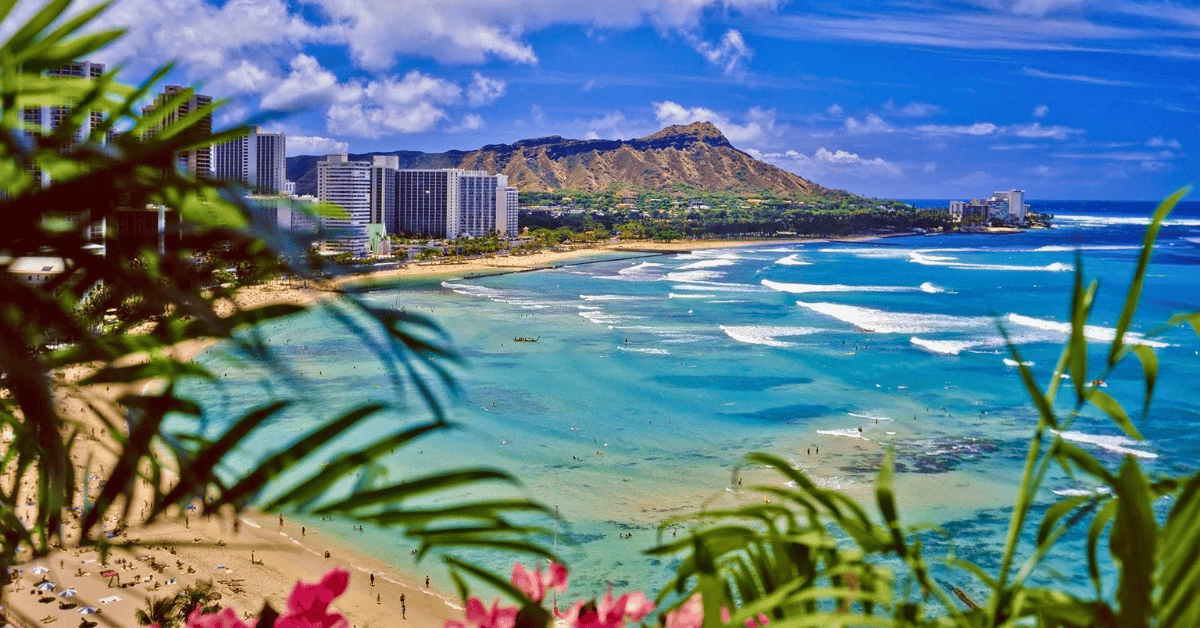
              Questions Every Planner Should Ask on a Hotel Site Visit

              Questions Every Planner Should Ask on a Hotel Site Visit

              Introduction

              You’ve narrowed your search to three hotel finalists. All have appealing photos, good rates, and are “on paper” acceptable. But the real test happens when you walk through each property in person. During a site visit, you’ll uncover differences that documents don’t show — hidden noise, confusing layout, or misaligned logistics.

              In this post, we’ll outline what to ask, what to observe, and a structure (“walk the flow”) to use so your comparisons are apples-to-apples. By the end, you’ll feel confident choosing which of the three will deliver the smoothest experience for your group.


              How to Prepare Before the Visits

                1. Define your priorities clearly: Know what trade-offs you’re willing to accept (e.g. cost vs. amenities, location vs. parking, room quality vs. meeting space layout).
                2. Prepare a comparison checklist: Use consistent categories: safety/emergency, guest rooms, meeting/event spaces, logistics & flow, staff/service, cost & contract terms, external disruptions like construction or other events.
                3. Schedule site visits at similar times: Try to visit each hotel at approximately the same time of day (e.g. mid-morning or afternoon) so you can compare light, activity, traffic, noise similarly.
                4. Bring your team: Include people who will use or manage the spaces (AV, decor, logistics) so you can see from all angles. Take photos, notes, video if allowed.


              What to Do on Each Site Visit: Walk the Flow

              To assess how well a hotel will function for your event, walk through the full guest experience — as if you were an attendee. This helps surface “flow” issues like bottlenecks, confusion, or unexpected challenges. Here’s the flow to follow during the tour:

                • Arrival → Lobby & Check-In: Evaluate signage, traffic from drop-off, distance from parking/valet to lobby, how welcoming/intuitive the arrival feels.
                • Guest Rooms (one of each room type you’ll use): Travel from lobby or elevators, note distance, noise, in-room amenities, view, lighting, HVAC.
                • Function/Meeting/Event Spaces: Walk from guest rooms to event spaces. Check how easy it is to get there, signage, floor changes, obstacles.
                • Public/Common Spaces: Restaurants, lounges, restrooms, hallways. Routes guests will take between meals, breaks, etc.
                • Back-of-House & Logistics: Loading dock, service entrances, storage, access for AV trucks or décor, where the staff move supplies. See if these are blocked, narrow, or far away.
                • Outdoor or Ancillary Spaces (if relevant): Pool, garden, terrace, parking lots, walkways. If any events or functions spill outside, how usable and accessible are these?

              Key Questions to Ask & Things to Observe (for Each Hotel, So You Can Compare)

              Here are some questions to bring up at each property (for all three), plus what to watch for. This will ensure a fair comparison.

              1. Flow Between Rooms & Event Spaces

                • How far are guest rooms from main event rooms? Are there multiple elevator rides, stairs? Congested corridors?
                • How easy is it to move from one event room to another (for breakout sessions, refreshment breaks)? Are paths clear? Signage?
                • Where are restrooms relative to meeting rooms and public gathering spaces? Will lines/congestion be issues?
                • Where are service entrances, loading docks? Are they close enough so vendors, AV and décor can move easily, especially for setup/teardown?

              Observation: Walk the staff path, vendor path & guest path; imagine carrying heavy AV equipment; see if cart ramps or freight elevators are sufficient.

              2. Guest Rooms & Accommodations (Comparatively)

                • Room types & mix: how many standard vs. suites, connecting rooms, ADA accessible rooms?
                • Amenities in each room: work desk, lighting, reliable WiFi, power outlets, soundproofing, views.
                • Noise from outside/internal sources: trains, highway, construction, mechanical rooms.
                • Condition & decor: when was last renovation? Cleanliness? Consistency across room types?

              3. Other Events / Guest Overlap

                • Are other groups/events booked during your block? What kind? Will they use similar spaces, restaurants, meeting rooms, public areas?
                • Could these overlapping events affect service (restaurant service, parking, elevator load, staffing)?
                • Are there large local events in town that will impact traffic, hotel capacity, airport transfer, local restaurants?

              Observation: Stay in the lobby or restaurant for a few minutes; see how crowded/active things are. Ask staff whether service slows during full-house or big event times.

              4. Cost, Contract, Terms, Hidden Fees

                • Room block rates, attrition penalties, cancellation policy. Is there flexibility?
                • All costs included vs. add-ons: taxes, service charges, overtime labor, utility surcharges, housekeeping, security, amenities.
                • When will additional fees apply (e.g. for décor, outside vendors, cleaning)?

              5. Emergency & Safety Plans

                • What emergency plans are in place (fire, severe weather, active threat)? Are there written procedures, drills done regularly?
                • Are evacuation routes clearly posted in event rooms, public areas, guest rooms? How easy is it to reach exits?
                • Is there an AED on site? First aid station? Any medical staff or agreement with a nearby hospital?
                • Backup power: does the hotel have generators? What systems remain operational (lighting, HVAC, elevators)?
                • Security staffing: 24-hour security? CCTV? Guest access control?

              Observation: Notice whether emergency exits are blocked, wayfinding is clear, signage visible, safety features obvious or hidden.

              6. Construction / Renovation & Noise Disruption

                • Is any construction scheduled before, during, or immediately after your event dates? What kind (interior, exterior)? What hours?
                • Which areas are being worked on? Will guest rooms, meeting rooms, public areas, entrances be affected?
                • What mitigation strategies does the hotel have (noise dampening, rerouting traffic, sealing off corridors)?

              Observation: Even if no construction is “officially” planned, look/listen for evidence of recent work (patching, paint smells, new fixtures) and ask about upcoming plans.

              7. AV, Technical & Operational Support

                • What AV equipment is provided (projectors, screens, mics, speakers)? Are there upgrade options? What are labor fees?
                • How is WiFi throughout the property: in guest rooms, event rooms, public spaces? Any dead zones?
                • Staff support: how many event staff will you have? Who handles setup/teardown? Who is your point of contact?
                • Timing constraints: how early can you access event spaces? How late can events run? What are noise policies?


              How to Compare Your Three Options Side-by-Side

              Professional woman working on a laptop in a hotel lobby

                • Use a spreadsheet or scoring chart with consistent criteria (e.g. “emergency/safety”, “room quality”, “flow/logistics”, “AV & tech”, “cost & contract”, “noise/disruption risk”, “service & staff”) and assign ratings (e.g. 1-5).
                • Weight categories according to your priorities. If flow & guest experience are most important, give more weight to those than perhaps extras.
                • Review photos & notes from each visit. Pay attention to red flags (which can’t always be fixed) vs. “nice to haves.”
                • Consider reaching back to each hotel with follow-up questions to resolve any uncertainties.


              Why This Comparative Site Visit Matters

                • You’ll discover differences that documents/RFPs don’t show (travel times through the property, noise levels, odor, visual distractions).
                • Helps avoid surprises that lead to guest complaints or logistical nightmares (e.g. arriving attendees getting lost, delays in setup, over-crowded walkways).
                • Gives you negotiating leverage: when you can say, “hotel A promised X, B offers Y, but only Hotel C meets flow and safety standards we require,” you’re in control.


              Conclusion

              When you’re down to just three hotel candidates, your site visits are more than a routine; they’re your decision-making crucible. Walk the flow from arrival to event rooms to guest rooms; ask the tough questions about emergencies, construction, and overlapping events; observe what you can’t get from a brochure. Compare carefully, stay aligned with what matters most for your group, and choose the site that delivers safety, comfort, and smooth logistics above all.

              GroupSync by Groups360 makes it easy to source hotels and keep track of all hotel proposals in one centralized location. Create a free GroupSync account and start your search today.
               

              Save up to 60% on hotel bookings with GroupSync™

              Get access to the best rates with risk-free cancellation.